From Simulation to Deployment: Why Physical AI Matters
Source: https://semiwiki.com/eda/synopsys/373937-from-simulation-to-deployment-why-physical-ai-matters/
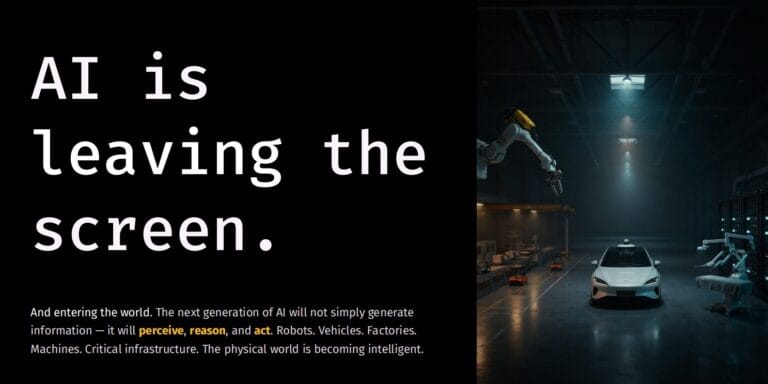
Artificial intelligence is moving beyond the screen. The attached presentation describes a shift from systems that generate text, images, and code to systems that can perceive their surroundings and take action. These systems could guide robots, vehicles, factory equipment, medical devices, and critical infrastructure. Their promise is substantial, but so is the consequence of a mistake: an incorrect answer can become a physical failure.
인공지능이 화면 속을 넘어 현실 세계로 진출하고 있습니다. 첨부된 프레젠테이션은 텍스트, 이미지, 코드를 생성하는 시스템에서 주변 환경을 인식하고 직접 행동을 취할 수 있는 시스템으로의 전환을 설명합니다. 이러한 시스템은 로봇, 차량, 공장 장비, 의료 기기, 그리고 핵심 인프라를 제어할 수 있습니다. 그 잠재력은 엄청나지만, 실수로 인한 결과 역시 그만큼 치명적입니다. 잘못된 답변이 곧바로 물리적인 고장이나 사고로 이어질 수 있기 때문입니다.
The presentation’s central question is how to train and test AI for a world that cannot safely supply every experience it needs. Generative AI benefited from enormous collections of human-created digital material. Physical AI needs examples of sensor failures, unusual weather, worn components, manufacturing differences, and unexpected human behavior. Many of those events are rare, costly, or dangerous to reproduce. A robot cannot learn every hazardous lesson by encountering it on a factory floor.
이 프레젠테이션의 핵심 질문은 안전하게 모든 경험을 공급해 줄 수 없는 현실 세계를 위해 어떻게 AI를 훈련하고 테스트할 것인가 하는 점입니다. 생성형 AI는 인류가 만들어낸 방대한 양의 디지털 데이터 덕분에 발전할 수 있었습니다. 하지만 물리적 AI(Physical AI)에는 센서 오작동, 이상 기후, 노후화된 부품, 제조 공정상의 차이, 그리고 예상치 못한 인간의 행동에 대한 사례들이 필요합니다. 이러한 사건 중 다수는 실제로 재현하기에 드물고, 비용이 많이 들며, 위험합니다. 로봇이 공장 바닥에서 위험한 상황을 직접 겪으며 모든 교훈을 배울 수는 없는 노릇입니다.
The proposed answer is simulation. Before a machine acts in one real environment, it can practice across many virtual ones. A useful simulation must do more than look convincing. The presentation calls for digital twins that model physical behavior, produce realistic camera and sensor readings, respond to an AI system’s actions, and run many scenarios in parallel. Such environments could expose an autonomous system to situations it might otherwise meet for the first time after deployment.
이에 대한 해결책으로 제시되는 것이 바로 시뮬레이션입니다. 기계가 단 하나의 실제 환경에서 행동하기 전에, 수많은 가상 환경 속에서 연습을 거칠 수 있습니다. 유용한 시뮬레이션은 단순히 그럴듯하게 보이는 것 이상을 해내야 합니다. 프레젠테이션에서는 물리적 행동을 모델링하고, 현실적인 카메라 및 센서 값을 생성하며, AI 시스템의 행동에 반응하고, 수많은 시나리오를 병렬로 실행할 수 있는 '디지털 트윈(Digital twin)'을 요구합니다. 이러한 환경은 자율주행 시스템이 만약 실제 배치 이후였다면 처음 마주쳤을지도 모를 상황들에 미리 노출될 수 있게 해줍니다.
That approach also addresses the sim-to-real gap: behavior learned in a simulation may fail when real materials, sensors, or surroundings behave differently. The presentation argues that high-fidelity physics is essential to narrowing that gap. Thermal, structural, electromagnetic, and fluid effects can help determine whether a simulated outcome reflects what a machine would actually encounter. Physics can also give synthetic training data a reliable source of truth, including information about forces, temperatures, and sensor readings that would be difficult to capture completely in a real test.
이러한 접근법은 '시뮬레이션과 현실 간의 격차(Sim-to-real gap)' 문제도 다룹니다. 시뮬레이션에서 학습한 행동은 실제 재료, 센서, 또는 주변 환경이 다르게 작동할 때 실패할 수 있습니다. 프레젠테이션에서는 이 격차를 좁히기 위해 고도화된 물리 법칙(High-fidelity physics)이 필수적이라고 주장합니다. 열역학, 구조역학, 전자기학, 유체역학적 효과는 시뮬레이션 결과가 기계가 실제로 마주할 상황을 충실히 반영하는지 판단하는 데 도움을 줍니다. 또한 물리학은 실제 테스트에서는 완벽하게 포착하기 어려운 힘, 온도, 센서 판독값 등의 정보를 포함하여 합성 훈련 데이터에 신뢰할 수 있는 진실의 근원(Source of truth)을 제공할 수 있습니다.
The presentation places this idea within a proposed engineering stack. NVIDIA supplies accelerated computing, AI infrastructure, libraries, and tools for creating virtual environments. Synopsys contributes engineering and simulation capabilities spanning components through complete systems. Together, the two are presented as a foundation for a workflow that moves from design and simulation through training, validation, and deployment. The broader claim is that, as AI systems gain the ability to act, physics simulation becomes a core part of AI infrastructure.
프레젠테이션은 이 아이디어를 제안된 엔지니어링 스택 내에 배치합니다. 엔비디아(NVIDIA)는 가속 컴퓨팅, AI 인프라, 라이브러리, 그리고 가상 환경을 생성하기 위한 도구를 공급합니다. 시놉시스(Synopsys)는 부품부터 완전한 시스템에 이르는 엔지니어링 및 시뮬레이션 역량을 기여합니다. 이 두 기업은 설계와 시뮬레이션부터 훈련, 검증, 그리고 배포에 이르는 워크플로의 기반으로서 함께 제시됩니다. 더 넓은 관점에서의 주장은, AI 시스템이 행동 능력을 획득함에 따라 물리 시뮬레이션이 AI 인프라의 핵심적인 부분이 된다는 것입니다.
Why does this matter? First, simulation could broaden testing. A physical prototype can face only the conditions engineers arrange during a test. Virtual environments can generate variations systematically, including rare combinations and dangerous failure modes. That gives developers a way to find weaknesses earlier, before people or equipment are exposed.
이것이 왜 중요할까요? 첫째, 시뮬레이션은 테스트 범위를 넓혀줄 수 있습니다. 물리적 시제품은 엔지니어들이 테스트 중에 마련해 둔 조건들만 마주할 수 있습니다. 반면 가상 환경은 희귀한 조합과 위험한 실패 모드를 포함하여 다양한 변수들을 체계적으로 생성할 수 있습니다. 이를 통해 개발자들은 사람이나 장비가 위험에 노출되기 전에 취약점을 더 일찍 찾아낼 수 있는 수단을 얻게 됩니다.
Second, it could improve how machines are trained. If simulated sensor data and outcomes reflect the underlying physics, developers can create targeted experience for conditions that real-world data barely represents. They can examine how a system responds when a sensor degrades, power fails, or a component behaves outside its expected range.
둘째, 기계가 훈련되는 방식을 개선할 수 있습니다. 시뮬레이션된 센서 데이터와 결과가 기저의 물리 법칙을 반영한다면, 개발자는 실제 데이터로는 거의 구현하기 힘든 조건들에 맞춘 표적형 경험을 창조할 수 있습니다. 이를 통해 센서가 열화되거나, 전력이 차단되거나, 부품이 예상 범위를 벗어나 작동할 때 시스템이 어떻게 반응하는지 검토할 수 있습니다.
Third, it changes the role of engineering software. In the presentation’s vision, simulation is no longer used only to check a design before manufacture. It becomes an ongoing environment for teaching, evaluating, and updating the intelligence that operates the finished machine.
셋째, 엔지니어링 소프트웨어의 역할을 바꿉니다. 프레젠테이션의 비전 속에서 시뮬레이션은 더 이상 제조 전의 설계를 검사하는 용도에만 머물지 않습니다. 그것은 완성된 기계를 조작하는 지능을 교육하고, 평가하고, 업데이트하기 위한 상시적인 환경이 됩니다.
Bottom line: The case remains a strategic thesis, not proof that simulation alone makes physical AI trustworthy. Models must reflect reality closely enough for their intended use, and real-world testing remains essential. Claims about exhaustive validation or certification depend on how well a particular system and its risks are measured. Still, the presentation identifies a genuine challenge: physical AI needs relevant experience before it can act safely. If simulation can provide that experience with dependable physics and rigorous validation, it may help turn capable AI models into machines people can trust.
요약하자면: 이 사례는 시뮬레이션만으로 물리적 AI를 신뢰할 수 있게 만든다는 증거라기보다는 전략적 논점에 가깝습니다. 모델은 의도된 용도에 부합할 만큼 충분히 현실을 밀접하게 반영해야 하며, 현실 세계에서의 테스트 역시 여전히 필수적입니다. 철저한 검증이나 인증에 대한 주장은 특정 시스템과 그에 따르는 위험이 얼마나 잘 측정되는지에 달려 있습니다. 그럼에도 불구하고 이 프레젠테이션은 본질적인 과제를 정확히 짚어냈습니다. 물리적 AI는 안전하게 행동하기 전에 관련 경험을 필요로 합니다. 만약 시뮬레이션이 신뢰할 수 있는 물리 법칙과 엄격한 검증을 통해 그러한 경험을 제공할 수 있다면, 이는 유능한 AI 모델을 사람들이 진정으로 신뢰할 수 있는 기계로 탈바꿈시키는 데 도움을 줄 수 있을 것입니다.



