How Much Should Anthropic Pop?
Source: https://www.bloomberg.com/opinion/newsletters/2026-11-03/how-much-should-anthropic-pop
Pre-IPO
Here’s a question I have about equity capital markets. We have talked a few times about pre-IPO perpetual futures: Some offshore trading platforms, most notably Hyperliquid/Trade[XYZ],[1] list perpetual futures contracts on big private companies that are approaching their initial public offerings. These contracts are bets on the future price of the stock, and it is not at all obvious that the futures price would closely track the actual stock value: The perps do not represent any claim on the underlying stock, they are in theory off-limits to investors in the US, existing shareholders of the underlying companies are probably not allowed to sell the perps to hedge their exposure, big institutional investors who might want to buy shares in the IPO are probably not set up to buy the perps to anticipate their demand, etc. The perps are in a sense just a recreational prediction market on the price of the stock, not a derivative instrument tied to the price of the stock by arbitrage mechanisms.
주식 자본 시장(ECM, Equity Capital Markets)에 대해 제가 갖고 있는 의문은 다음과 같습니다. 우리는 상장 전 무기한 선물(Pre-IPO perpetual futures)에 대해 몇 차례 이야기한 적이 있습니다. Hyperliquid나 Trade[XYZ] 같은 일부 역외(offshore) 거래소들은[1] 기업공개(IPO)를 앞둔 대형 비상장 기업들의 무기한 선물 계약을 상장하고 있습니다. 이 계약들은 주가의 향방에 대한 베팅이며, 선물 가격이 실제 주가와 긴밀하게 연동될 것이라는 보장은 전혀 없습니다. 이러한 선물은 기초자산인 주식에 대한 어떤 권리도 대표하지 않으며, 이론상 미국 투자자들은 접근할 수 없고, 해당 기업의 기존 주주들은 리스크 헷지를 위해 이 선물을 매도하는 것이 허용되지 않을 가능성이 높습니다. 또한 IPO 주식을 매수하고 싶어 할 대형 기관투자자들은 이에 앞서 선물 거래를 세팅해 둘 수 없는 등의 이유가 있습니다. 어떤 의미에서 이 선물들은 주가에 대한 아비트라지(차익거래) 메커니즘으로 연결된 파생상품이라기보다는, 주가에 대한 일종의 '오락용 예측 시장'에 가깝습니다.
But a really important thing we have learned about finance in the last few years is that prediction markets are pretty accurate. That is: If you have a platform where people can make real-money bets on some outcome, their bets will tend to give a pretty accurate and well-calibrated estimate of the actual outcome. Kalshi event contracts are not tied to, like, election outcomes or football scores by arbitrage mechanisms, and in the abstract Kalshi could just be wrong about everything. But in fact Kalshi publishes research showing that its markets are good at predicting stuff. And on the Money Stuff podcast, Susquehanna International Group prediction market trader Jeremy Maletz made the same point, noting that prediction market odds are well calibrated even when the volumes are not enormous. The wisdom of the crowd largely works.
하지만 금융에 관해 우리가 지난 몇 년간 배운 아주 중요한 사실은 예측 시장이 꽤 정확하다는 점입니다. 즉, 사람들이 어떤 결과에 대해 실제 돈을 걸 수 있는 플랫폼이 있다면, 그들의 베팅은 실제 결과에 대해 꽤 정확하고 잘 보정된(well-calibrated) 예측치를 제공하는 경향이 있다는 것입니다. 칼시(Kalshi)의 이벤트 계약들은 선거 결과나 미식축구 스코어와 아비트라지 메커니즘으로 연결되어 있지 않으며, 추상적으로만 보면 칼시는 모든 예측에서 틀릴 수도 있습니다. 하지만 실제로 칼시는 자사 시장이 예측을 잘해낸다는 점을 보여주는 연구를 발표하고 있습니다. 그리고 팟캐스트 Money Stuff에서 서스케하나 인터내셔널 그룹(Susquehanna International Group)의 예측 시장 트레이더인 제레미 말레츠(Jeremy Maletz)는 거래량이 엄청나지 않을 때조차 예측 시장의 확률이 잘 보정되어 있다고 지적하며 이와 같은 맥락의 주장을 폈습니다. ‘군중의 지혜(wisdom of the crowd)’가 대개 작동하는 것입니다.
And so in fact there is a track record of pre-IPO perpetual futures on Hyperliquid being quite accurate, that is, predicting the opening prices of IPOs. It’s quite a small sample — the main US examples are Cerebras and SpaceX — and, as I have written, kind of unsettling. But so far it seems to be empirically true, and it is consistent with the broader theme that prediction markets work.
따라서 실제로 Hyperliquid의 상장 전 무기한 선물이 꽤 정확했다는, 즉 IPO의 시초가(opening price)를 정확히 예측해 왔다는 실적(track record)이 존재합니다. 표본은 아주 작습니다 — 미국의 주요 사례로는 세레브라스(Cerebras)와 스페이스X(SpaceX)가 있습니다 — 그리고 제가 전에 썼듯이 다소 불안(unsettling)한 측면이 있습니다. 하지만 지금까지는 경험적으로 사실인 것으로 보이며, 이는 "예측 시장은 작동한다"는 더 큰 주제와 일치합니다.
Let’s say this track record continues and expands. Let’s say that by the time OpenAI goes public next year, the Hyperliquid perpetual futures will have been proved out as accurate predictors of trading prices. The price of OpenAI on Hyperliquid on the afternoon of the IPO[2] will predict the opening price of OpenAI on the stock exchange the day after the IPO about as well as the closing price of Tesla stock on Nasdaq today will predict the opening price of Tesla on Nasdaq tomorrow: not perfectly (news happens, etc.), but in a reasonably continuous way. And let’s say that everyone knows this: The pre-IPO perpetual futures get lots of news coverage, they are routinely referenced by analysts and investors and bankers, they are part of everyone’s understanding of the IPO process, etc.
이러한 실적이 계속 유지되고 확대된다고 가정해 봅시다. 내년에 오픈AI(OpenAI)가 상장할 무렵에는 Hyperliquid의 무기한 선물이 거래 가격을 정확히 예측하는 수단으로 완전히 검증되었다고 해봅시다. IPO 당일 오후의 Hyperliquid상 오픈AI 가격[2]은, 나스닥에서 오늘 테슬라 주식의 종가가 내일 나스닥에서 테슬라의 시초가를 예측하는 것과 거의 비슷한 수준으로 오픈AI의 상장일 다음 날 시초가를 예측할 수 있게 될 것입니다. 완벽하지는 않겠지만(각종 뉴스가 발생하므로 등등) 제법 연속성 있는 방식으로 말입니다. 그리고 모든 사람이 이 사실을 알고 있다고 가정해 봅시다. 상장 전 무기한 선물이 수많은 뉴스 보도를 타고, 애널리스트, 투자자, 은행가들에 의해 습관적으로 인용되며, 모두가 IPO 프로세스를 이해하는 기본 요소가 되는 것입니다.
And then OpenAI goes out and markets its IPO, and it meets with investors and gets feedback. And the pre-IPO perps keep trading. Let’s say the perps say that OpenAI is worth $120 per share, and they are relatively stable in the days leading up to the IPO. Investors put orders in for the IPO, the banks build a book, it’s 10 times oversubscribed or whatever, and on the afternoon of the IPO the bankers come to OpenAI to set the IPO price. The bankers say to OpenAI: “We know, as confidently as anyone can know anything in this business, that your stock will open at $120 per share tomorrow. We are less confident that it will close at $120 per share — markets can be weird — but that’s our best guess. So we think you should price the IPO at $_____.”
그런 다음 오픈AI가 IPO 마케팅에 나서서 투자자들을 만나 피드백을 받습니다. 그 와중에도 상장 전 선물은 계속 거래됩니다. 선물이 가리키는 오픈AI의 가치가 주당 120달러이고, IPO 직전 며칠 동안 비교적 안정적으로 유지된다고 가정해 봅시다. 투자자들이 IPO 주식을 청약하고, 주관사(은행가)들이 북빌딩(수요예측)을 진행하며, 10배 이상 초과 청약되는 등 흥행을 거둡니다. 그리고 IPO 당일 오후, 은행가들이 오픈AI를 찾아와 IPO 공모가를 확정합니다. 은행가들은 오픈AI에 이렇게 말합니다. "이 바닥에서 그 무엇보다 확실하게 장담하건대, 귀사의 주식은 내일 주당 120달러에 거래를 시작할 것입니다. 종가가 120달러가 될지는 이것보다는 덜 확신합니다 — 시장은 별의별 일이 다 일어나니까요 — 하지만 이게 우리의 최선책입니다. 그러므로 IPO 공모가는 _달러로 정해야 합니다."
What goes in the blank? I think there are two possible answers. One — the traditional answer — is $100. If you were the equity capital markets banker leading a big IPO, and perpetual futures markets did not exist, but an infallible genie appeared to you in a dream the night before the IPO and said “this stocks’s gonna trade at $120,” you would naturally price the IPO at $100. That way, you will get a 20% IPO “pop,” which is perfect. All of the investors in the IPO will have an immediate mark-to-market profit, though most of them will not cash out: You have placed the IPO shares mostly with long-term fundamental investors who believe in the company’s vision, not with fast-money flippers, and you want to reward their belief with a quick profit. You are in a repeated game: You call the same investors for every IPO, and you want them to take your calls and put in the effort to understand the new companies that you are bringing to market, and the way to make sure they do that is by making IPOs generally lucrative for them.
빈칸에는 무엇이 들어가야 할까요? 저는 두 가지 가능한 답이 있다고 생각합니다. 첫 번째는 전통적인 대답인 100달러입니다. 만약 당신이 대형 IPO를 이끄는 ECM(주식자본시장) 은행가인데 무기한 선물 시장은 존재하지 않지만, IPO 전날 밤 꿈에 오류를 범하지 않는 지니(genie)가 나타나 "이 주식은 120달러에 거래될 거야"라고 말해준 상황이라면, 당신은 당연히 IPO 공모가를 100달러로 책정할 것입니다. 그래야만 20%의 IPO ‘팝(pop, 상장 첫날 주가 급등)’을 만들어낼 수 있으며, 이것이 완벽한 시나리오이기 때문입니다. IPO에 참여한 모든 투자자는 즉각적인 평가 차익을 얻게 되지만, 대부분은 당장 현금화하지 않습니다. 당신은 공모주를 단타를 치는 핫머니가 아니라 기업의 비전을 믿는 장기적이고 펀더멘털한 투자자들 위주로 배정했고, 그들의 믿음에 빠른 수익으로 보답하고 싶어 하기 때문입니다. 당신은 반복되는 게임(repeated game)을 하고 있습니다. 매번 IPO 때마다 똑같은 투자자들에게 전화를 걸어야 하고, 그들이 전화를 받아 당신이 시장에 내놓는 신규 기업을 이해하기 위해 공을 들여주기를 원합니다. 그리고 그것을 보장하는 방법은 IPO가 그들에게 전반적으로 짭짤한 수익을 안겨주는 것입니다.
Bill Gurley will complain that you are leaving money on the table. In fact most big IPOs do come with “pops” — often considerably more than 20% — and Gurley is the most prominent proponent of the view that this is bad for companies. The company, in this view, should sell its stock at the price the market will pay for it, which here is basically $120. If it deliberately prices it cheap, it is transferring billions of dollars of value from the company (and its pre-IPO shareholders) to its banks’ hand-picked favorite institutional investors.
빌 걸리(Bill Gurley)는 당신이 테이블 위에 돈을 남겨두고(돈을 덜 받고) 있다고 불평할 것입니다. 실제로 대부분의 대형 IPO는 ‘팝’을 동반하며, 종종 20%를 훨씬 상회합니다. 그리고 빌 걸리는 이것이 기업에 해롭다는 입장을 가장 강력하게 대변하는 인물입니다. 이 관점에 따르면, 회사는 시장이 기꺼이 지불할 가격, 즉 여기서는 기본적으로 120달러에 주식을 팔아야 합니다. 만약 의도적으로 싸게 가격을 매긴다면, 이는 회사(와 상장 전 주주들)의 가치 수십억 달러를 은행이 임의로 선정한 선호하는 기관투자자들에게 이전하는 꼴이 됩니다.
One standard response to this is that the company is also in a repeated game: It will need to raise money in the future, and it will want public-market investors to think fondly of it. “Oh yeah, those guys, nice IPO pop they had, sure we’ll give them another $1 billion,” that sort of thing. Arguably this response is more true about, you know, OpenAI than it usually was about tech companies over the last decade: The artificial intelligence boom has made US tech companies more capital-intensive, and more likely to raise equity frequently, than they were a few years ago. Keeping capital providers happy is a more important corporate goal than it used to be. If the banker told the company “an infallible genie told me that your stock will trade to $120, so let’s price it at $100,” the company would probably be like “makes sense yeah.” Elon Musk apparently priced SpaceX’s IPO to target a 20% pop. He knows.
이에 대한 표준적인 반박 중 하나는 기업 역시 반복되는 게임을 하고 있다는 점입니다. 회사는 미래에 자금을 조달해야 할 일이 생길 것이며, 퍼블릭 시장(공개 시장) 투자자들이 자사를 좋게 기억해주기를 원할 것입니다. "아 그래, 그 회사들, 지난번 IPO 팝도 아주 좋았지, 당연히 10억 달러쯤 더 투자해 주지" 하는 식의 반응 말입니다. 어쩌면 이 반박은 지난 10년 동안의 기술 기업들보다 오픈AI 같은 기업에 훨씬 더 부합할지도 모릅니다. 인공지능 붐으로 인해 미국의 기술 기업들은 몇 년 전보다 자본 집약도가 높아졌고, 지분(equity)을 빈번하게 조달할 가능성이 더 커졌기 때문입니다. 자본 제공자들을 만족시키는 것이 과거보다 기업의 훨씬 더 중요한 목표가 된 것입니다. 만약 은행가가 회사에 "오류 없는 지니가 내 주식이 120달러에 거래될 거라고 했으니, 공모가는 100달러로 잡읍시다"라고 말한다면, 회사는 아마 "음, 말이 되네요"라고 반응할 것입니다. 일론 머스크는 스페이스X의 IPO 공모가를 20%의 팝을 목표로 책정했다고 합니다. 그는 알고 있는 것입니다.
But the other possible answer is, of course, $120. The theory here is: Look, we know the stock will trade at $120, so why give a hand-picked group of big investors a giant one-day windfall profit? The traditional reason is “to incentivize them to take risk on an untested IPO,” but that’s no longer relevant: They know the trading price, so they’re not taking that much risk, so they don’t need a 20% one-day gain to compensate them for it.[3]
하지만 두 번째 가능한 답은 물론 120달러입니다. 이 이론의 핵심은 이렇습니다: "자, 우리는 주식이 120달러에 거래될 것임을 알고 있습니다. 그런데 왜 엄선된 대형 투자자 그룹에게 막대한 하루 만의 횡재 수익을 안겨주어야 합니까?" 전통적인 이유는 "검증되지 않은 IPO에 투자하는 리스크를 감수하도록 동기를 부여하기 위해서"였지만, 이제는 더 이상 유효하지 않습니다. 그들은 거래 가격을 이미 알고 있으므로 그렇게 큰 리스크를 지는 것이 아니고, 따라서 그에 대한 보상으로 20%의 하루 수익률이 필요하지 않기 때문입니다.[3]
Public companies sometimes (more frequently these days) do big stock offerings. They do not, ordinarily, price them at a 20% discount to their trading price.[4] Meta Platforms Inc. sold $25 billion of common stock last Monday; the stock closed at $630.56 per share that day, and the offering was priced at $625, about a 0.9% discount to the last trade.[5] Possibly that’s the sort of discount that OpenAI should be targeting.
상장 기업들은 때때로(요즘은 더 빈번하게) 대규모 주식 공모(SPO)를 진행합니다. 이들은 대개 현재 거래 가격 대비 20% 할인된 가격에 주식을 발행하지 않습니다.[4] 메타 플랫폼스(Meta Platforms Inc.)는 지난주 월요일에 250억 달러어치의 보통주를 매각했습니다. 그날 주식은 주당 630.56달러에 마감되었고, 공모가는 마지막 거래가 대비 약 0.9% 할인된 625달러로 책정되었습니다.[5] 어쩌면 그것이 오픈AI가 목표로 해야 할 할인율일지도 모릅니다.
Giving new IPO investors a 20% discount to your hypothetical guess about the future trading price of the stock is justifiable; giving new investors a 20% discount to the actual current trading price is harder. The perps are not the same as an actual current trading price of the stock, but they kind of are a little bit?
주식의 미래 거래 가격에 대한 가상적 추정치 대비 신규 IPO 투자자들에게 20%의 할인을 제공하는 것은 정당화될 수 있습니다. 하지만 실제 현재 거래 가격 대비 신규 투자자들에게 20%의 할인을 제공하는 것은 더 어렵습니다. 선물이 주식의 실제 현재 거래 가격 그 자체와 같지는 않지만, 또 어느 정도는 그렇다고 볼 수 있지 않나요?
I have been writing for years that “private markets are the new public markets,” but I have usually meant that in a pretty loose way. “Private companies can be bigger and raise more money from more traditionally public sorts of investors and offer them more liquidity,” that sort of thing. Even in that world, though, the transition from private to public is pretty stark. You’re a private company one day, and a public one the next. Your shareholder base and public perception and trading dynamics and liquidity all shift pretty drastically, and your stock price three days after the IPO is hard to predict from the price of your last private funding round. There’s a whole apparatus — of IPO roadshows and investment bankers and IPO pop rules of thumb and Bill Gurley — to try to make that prediction, but it is imperfect, more art than science.
저는 수년 동안 "비상장 시장이 새로운 상장 시장이다"라고 써왔지만, 대개는 꽤 느슨한 의미였습니다. "비상장 기업은 더 커질 수 있고, 더 전통적인 상장형 투자자들로부터 더 많은 자금을 조달할 수 있으며, 더 많은 유동성을 제공할 수 있다"는 식의 이야기였습니다. 하지만 그러한 세상에서조차 비상장 상태에서 상장 상태로의 전환은 꽤 극단적입니다. 하루는 비상장 기업이었다가 다음 날은 상장 기업이 됩니다. 주주 구성, 대중적 인식, 거래 다이내믹스, 유동성 모두가 꽤 급격하게 변하며, IPO 후 사흘째의 주가는 마지막 프리IPO 펀딩 라운드의 가격으로 예측하기 어렵습니다. 그러한 예측을 시도하기 위해 IPO 로드쇼, 투자은행가, IPO 팝 경험 법칙, 그리고 빌 걸리가 존재하는 전체 장치가 있지만, 그것은 완벽하지 않으며 과학이라기보다는 예술에 가깝습니다.
But now maybe that problem has been solved by, you know, the wisdom of the crowd, or by properly incentivized prediction markets, or by offshore financial innovation, or by blockchain or what have you. Maybe, for big private companies, private and public markets are now completely continuous, and your stock can trade liquidly at $120 the day before your IPO (on Hyperliquid) and at $120 the day after (on Nasdaq).
하지만 이제는 어쩌면 그 문제가, 알다시피 군중의 지혜에 의해, 또는 적절히 인센티브가 부여된 예측 시장에 의해, 혹은 역외 금융 혁신에 의해, 아니면 블록체인이나 그 무엇에 의해 해결되었을지도 모릅니다. 대형 비상장 기업들에게는 이제 비상장 시장과 상장 시장이 완전히 연속선상에 있어서, 상장 전날(Hyperliquid에서) 유동성 있게 120달러에 거래되다가 상장 다음 날(나스닥에서) 120달러에 거래될 수 있을지도 모릅니다.
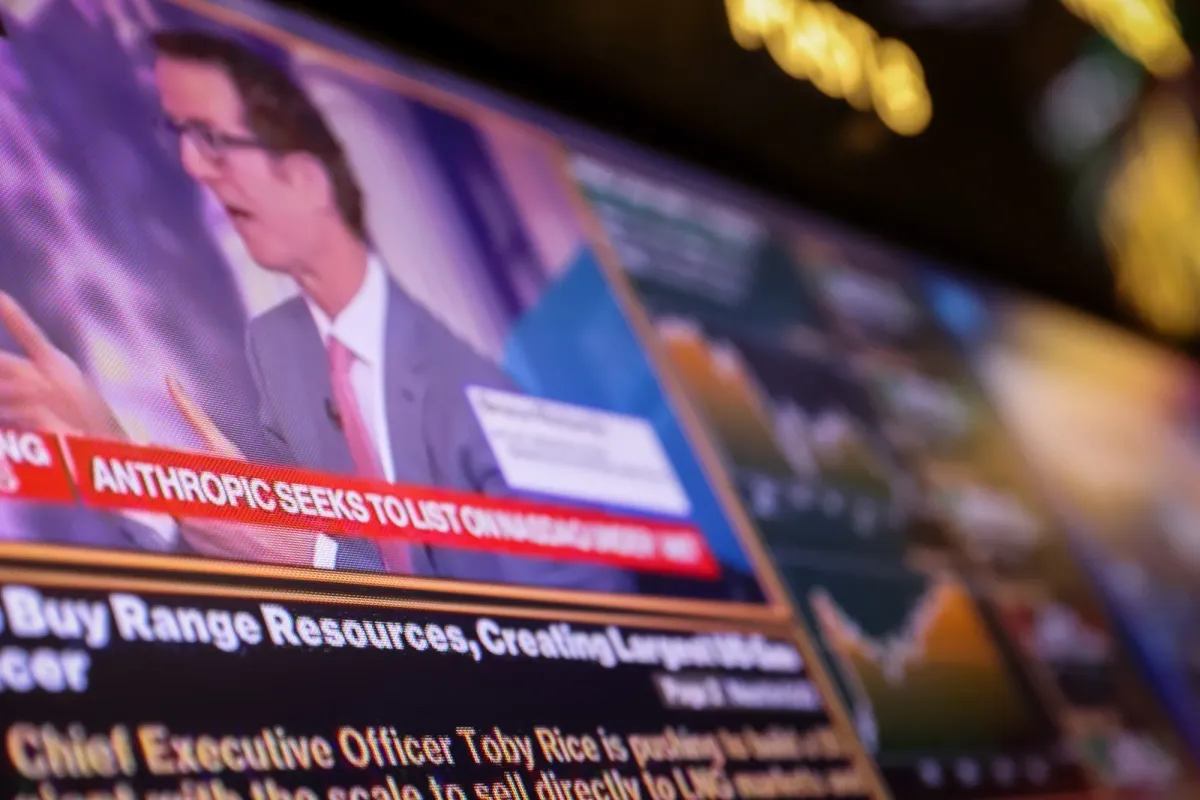
Anyway, those are my musings! Here are three news hooks. First, the Wall Street Journal reports that “institutional investors told [Anthropic PBC] and its advisers that the company’s valuation in its planned initial public offering later this month should be around $1.5 trillion to $1.6 trillion, according to people familiar with the matter, well below figures closer to $2 trillion that had been bandied about in recent months.” Why? To get a 20% IPO pop of course:
Some investors say they trust Anthropic’s chief financial officer Krishna Rao to set a conservative valuation and give priority to delivering IPO investors a first-day “pop” in the stock price. They believe that even if Anthropic debuts at a roughly $1.5 trillion valuation, it could jump to $2 trillion by the end of the first trading day. Elon Musk’s SpaceX jumped 30% during its first day trading in June—before widespread investor jitters around AI had taken hold.
아무튼, 이것이 저의 단상들입니다! 여기에 세 가지 뉴스 훅(news hook)이 있습니다. 첫째, <월스트리트 저널>의 보도에 따르면 "기관투자자들은 (앤트로픽 PBC)와 그 자문사들에게, 이달 후반으로 예정된 기업공개(IPO)에서의 기업 가치가 1조 5,000억 달러에서 1조 6,000억 달러 사이여야 한다고 전했습니다. 이는 사안에 밝은 이들에 따른 것으로, 최근 몇 달간 나돌던 2조 달러에 가까운 수치에서 크게 밑도는 수준입니다." 왜 그럴까요? 당연히 20%의 IPO 팝을 얻기 위해서입니다.
일부 투자자들은 앤트로픽의 최고재무책임자(CFO) 크리슈나 라오(Krishna Rao)가 보수적인 기업 가치를 설정하고 주가 첫날 '팝'을 IPO 투자자들에게 안겨주는 것을 최우선으로 할 것이라 믿는다고 말합니다. 그들은 앤트로픽이 약 1조 5,000억 달러의 밸류에이션으로 데뷔하더라도 첫 거래일이 끝날 무렵에는 2조 달러로 치솟을 수 있다고 믿습니다. AI에 대한 광범위한 투자자들의 불안감이 자리 잡기 전인 6월, 일론 머스크의 스페이스X는 상장 첫날 거래에서 30% 급등했습니다.
And in fact Anthropic is trading at around a $1.8 trillion valuation on Hyperliquid, so a $1.5 trillion IPO price would deliver an almost perfect 20% pop.[6] We are arguably in a transitional phase where big institutional investors can go to Anthropic and say “your company is worth $1.8 trillion, so you should price it at $1.5 trillion.” And, look, it makes sense. This week, anyway, we seem to be in a buyer’s market for gazillion-dollar AI financings: OpenAI raised less than its target in its latest private round, and the Wall Street Journal notes that “lenders and investors are getting choosier about where to place their bets and are demanding tougher terms.” “Give us a 20% discount to market value” is a reasonable thing for investors to ask. But I am not sure that that will last forever.
그리고 실제로 앤트로픽은 Hyperliquid에서 약 1조 8,000억 달러의 밸류에이션으로 거래되고 있으므로, 1조 5,000억 달러의 공모가는 거의 완벽한 20%의 팝을 만들어낼 것입니다.[6] 우리는 대형 기관투자자들이 앤트로픽에 찾아가 "귀사의 가치는 1조 8,000억 달러이니, 공모가는 1조 5,000억 달러로 매겨야 합니다"라고 말할 수 있는 전환기에 접어들었을지도 모릅니다. 그리고 어쨌든 말이 됩니다. 적어도 이번 주에는 수조 달러 규모의 AI 자금 조달에 있어 매수자 우위 시장(buyer's market)에 있는 것으로 보입니다. 오픈AI는 최신 비상장 라운드에서 목표치에 미치지 못하는 자금을 조달했으며, <월스트리트 저널>은 "대출 기관과 투자자들이 어디에 돈을 걸지 더욱 까다롭게 고르고 있으며 더 엄격한 조건을 요구하고 있다"고 보도했습니다. "시장 가치 대비 20% 할인을 해달라"는 것은 투자자들이 요구할 만한 합리적인 조건입니다. 하지만 그것이 영원히 지속될지는 확신할 수 없습니다.
Second, today the US Commodity Futures Trading Commission approved trading of perpetual futures on US stocks. Not, currently, on pre-IPO stocks, but we’ll see. And, third, Bloomberg’s Ryan Weeks has a profile of Jeff Yan, the founder of Hyperliquid, who visited the US to try to, you know, get Hyperliquid into the US:
He insists that Hyperliquid, widely described as an exchange for digital assets, isn’t an exchange at all but “a layer on which exchanges can be deployed.” He likens it to the internet; it falls to those building things on top of Hyperliquid to figure out the checks and balances. Rather than opining on the future, Yan wants to focus on the code. “I just work all the time,” he explains. “For me, work is all-consuming.” ...
Even though Hyperliquid, which first went live in 2023, isn’t officially accessible in the US, its rise has rattled industry titans, including the world’s largest derivatives exchange, CME Group Inc. The White House has taken notice too. President Donald Trump, an industry advocate who earned more than $1.4 billion through his own crypto ventures last year, has said that regulators are “working very hard” to allow Hyperliquid to serve American traders. So Yan, usually in Singapore, is here in Washington, where he supports the Hyperliquid Policy Center, an arm’s-length lobbying group that’s peppered US agencies with letters about the merits of the platform. …
Yan says the way to break into the world’s largest financial market is for HIP-3 partners, rather than Hyperliquid itself, to submit to US regulation on matters such as know-your-customer checks and market surveillance. (This is where his argument that he merely provides a tech platform, not an exchange, becomes crucial.) In September, Hyperliquid began testing a modified version of the HIP-3 framework that allows for customer identity verification, a basic due diligence step that the platform doesn’t currently offer.
둘째, 오늘 미국 상품선물거래위원회(CFTC)는 미국 주식에 대한 무기한 선물 거래를 승인했습니다. 현재로서는 '상장 전(pre-IPO)' 주식에 대한 것은 아니지만, 지켜볼 일입니다. 셋째, 블룸버그의 라이언 윅스(Ryan Weeks)가 Hyperliquid의 창립자인 제프 얀(Jeff Yan)을 조명했습니다. 그는 Hyperliquid를 미국에 진입시키기 위해 미국을 방문했습니다.
그는 디지털 자산 거래소로 널리 묘사되는 Hyperliquid가 거래소가 아니라 오히려 "거래소들이 배치될 수 있는 레이어"라고 주장합니다. 그는 이를 인터넷에 비유합니다. 견제와 균형을 파악하는 것은 Hyperliquid 위에 무엇인가를 구축하는 사람들의 몫입니다. 미래에 대한 의견을 피력하기보다는, 얀은 코드에 집중하고 싶어 합니다. "저는 그저 늘 일만 합니다," 그가 설명합니다. "제게 있어 일은 온통 자신을 집어삼키는 것입니다." ...
2023년에 처음 서비스를 시작한 Hyperliquid는 공식적으로 미국에서 접근할 수 없음에도 불구하고, 그 급부상은 세계 최대 파생상품 거래소인 CME 그룹(CME Group Inc.)을 포함한 업계 거물들을 긴장시켰습니다. 백악관도 주목했습니다. 지난해 자신의 암호화폐 벤처를 통해 14억 달러 이상을 벌어들인 업계 옹호론자 도널드 트럼프 대통령은 규제 당국이 미국 트레이더들에게 Hyperliquid 서비스를 제공하기 위해 "매우 열심히 노력하고 있다"고 말했습니다. 평소 싱가포르에 머무는 얀은 이곳 워싱턴에 와 있으며, 이곳에서 플랫폼의 장점에 대해 미국 기관들에 서한을 보낸 거리두기 로비 단체인 Hyperliquid 정책 센터(Hyperliquid Policy Center)를 지원하고 있습니다. ...
얀은 세계 최대 금융 시장에 진입하는 방법은 Hyperliquid 자체가 아니라 HIP-3 파트너들이 고객 파악 제도(KYC) 및 시장 감시 같은 사안에 대해 미국 규제를 준수하는 것이라고 말합니다. (바로 이 지점에서 그가 자신이 거래소가 아니라 기술 플랫폼만을 제공할 뿐이라는 주장이 핵심적인 역할을 하게 됩니다.) 지난 9주, Hyperliquid는 플랫폼이 현재 제공하지 않는 기본적인 실사 단계인 고객 신원 확인을 허용하는 수정된 버전의 HIP-3 프레임워크 테스트를 시작했습니다.
Back in 2015, in the very early days of people putting traditional financial assets on crypto infrastructure, I wrote: “Just because you mumble the word ‘blockchain’ doesn’t make otherwise illegal things legal.” I’m increasingly convinced that I was wrong. Like: “We have the ability to offer any financial product to anyone, immediately” is a really good pitch, and one that is not possible when you are subject to traditional regulatory approvals. Just build a protocol on the blockchain and see what happens!
2015년, 사람들이 전통적인 금융 자산을 암호화폐 인프라에 올리던 아주 초기 시절에 저는 이렇게 썼습니다. "‘블록체인’이라는 단어를 웅얼거린다고 해서 그렇지 않은 불법적인 것들이 합법화되지는 않습니다." 저는 제가 틀렸다는 확신이 점점 더 커지고 있습니다. 이를테면 "우리는 누구에게나 어떤 금융 상품이든 즉시 제공할 수 있는 능력을 갖추고 있다"는 것은 정말로 훌륭한 피치(pitch)이며, 전통적인 규제 승인의 대상이 될 때는 결코 불가능한 일입니다. 그냥 블록체인 위에 프로토콜을 구축하고 무슨 일이 일어나는지 지켜보면 됩니다!
Long-term-ism
Arguably the core job of a multimanager multistrategy hedge fund is to distinguish skill from luck. There are some people in the world who do some trades that have generated some past series of returns, and the job of the hedge fund is to look at those return series, talk to the people, and figure out which of them will make money in the future. The most obvious sign of future success is, of course, past success, but:
- Past performance does not guarantee future returns, just as a general matter.
- Paradigms shift, regimes change, trades get crowded, and you want to hire people who will make money in the next three years, not the last three years.
- “A high Sharpe ratio strategy is simply one that hasn’t encountered its left tail yet,” and you have to figure out who is picking up pennies in front of a steamroller that is about to arrive.
- Some sorts of trading offer larger sample sizes than others, and if you’re looking to hire a long-term buy-and-hold stock investor, her good track record on buying and holding 10 stocks in her career could be attributable to luck that will not persist.
- Conversely, her bad track record on buying and holding 10 stocks in her career could be attributable to bad luck that will not persist, and you can scoop her up cheap. An investor with a bad track record will probably demand less compensation than one with a good track record, so if you can find high-skill-low-luck investors you can get good future performance and a good deal. “That moment of weakness is when they’re most poachable, driven and available at a discount.”
- (Whereas the high-skill-high-luck investors might not be available to you, or might charge you 110% of their alpha.)
- A little adversity is character-building. “My philosophy when I used to hire traders was that the optimal number of past blow ups was one,” John Arnold has said.
멀티매니저 멀티전략 헤지펀드의 핵심 업무는 실력과 운을 구별하는 것이라고 해도 과언이 아닙니다. 세상에는 과거에 일정 기간 수익을 올린 트레이드들을 수행해 온 사람들이 존재하며, 헤지펀드의 업무는 그 수익률 시리즈를 살펴보고, 당사자들과 대화하며, 그들 중 누가 앞으로도 돈을 벌어들일지 파악하는 것입니다. 미래 성공의 가장 명확한 신호는 물론 과거의 성공이지만, 다음과 같은 한계가 있습니다.
- 일반적인 원칙으로 볼 때, 과거의 성과가 미래의 수익을 보장하지 않습니다.
- 패러다임은 바뀌고, 레짐(체제)은 변하며, 트레이드는 붐비게 됩니다. 따라서 지난 3년 동안이 아니라 향후 3년 동안 돈을 벌어들일 사람을 고용해야 합니다.
- “샤프 지수가 높은 전략이란 아직 왼쪽 꼬리 위험(left tail, 극단적인 손실 위험)을 겪지 않은 전략일 뿐”이며, 곧 닥쳐올 스팀롤러 앞에서 동전을 줍고 있는 사람이 누구인지 찾아내야 합니다.
- 어떤 트레이딩은 다른 것보다 더 큰 표본 크기를 제공합니다. 예를 들어 평생 10개의 주식을 매수하고 보유하는 장기 투자자를 고용하려 할 때, 그녀의 좋은 실적은 지속되지 않을 운에 기인한 것일 수 있습니다.
- 반대로, 평생 10개의 주식을 매수·보유하며 기록한 나쁜 실적 역시 지속되지 않을 ‘나쁜 운’ 때문일 수 있으며, 이 경우 그녀를 저렴하게 스카우트할 수 있습니다. 나쁜 실적을 가진 투자자는 좋은 실적을 가진 투자자보다 더 적은 보상을 요구할 가능성이 높으므로, 실력은 높고 운이 나빴던 투자자를 찾는다면 향후 뛰어난 성과와 좋은 계약을 모두 얻을 수 있습니다. “바로 그러한 취약한 순간이 그들을 가장 영입하기 쉽고, 의욕적이며, 할인된 가격에 구할 수 있는 때입니다.”
- (반면, 실력도 좋고 운도 좋았던 투자자는 여러분에게 오지 않거나 알파의 110%를 요구할지도 모릅니다.)
- 약간의 역경은 인격을 형성합니다. 존 아놀드(John Arnold)는 과거에 이렇게 말한 적이 있습니다. “제가 트레이더를 고용할 때의 철학은, 과거에 겪은 폭락(blow-up)의 최적 횟수가 1회라는 것이었습니다.”
Much of this depends on the belief that skill is persistent and luck isn’t, which might be wrong. I think sometimes about a hedge-fund investor who said “I do want to invest in lucky people — that’s better than investing with unlucky people.” Not a rigorous model, but there’s something to it!
이러한 내용의 상당 부분은 ‘실력은 지속되지만 운은 지속되지 않는다’는 믿음에 기초하고 있으며, 이는 틀린 생각일 수도 있습니다. 저는 언젠가 어떤 헤지펀드 투자자가 했던 말을 떠올립니다. “저는 운이 좋은 사람들에게 투자하고 싶습니다 — 운이 나쁜 사람들과 함께하는 것보다 그게 낫습니다.” 엄밀한 모델은 아니지만, 그 말에도 일리가 있습니다!
But if you run a big multistrategy fund you probably believe in skill. So you will have some process for figuring out who has a consistent repeatable source of alpha; their track record, their thought process, their type of trading, etc., will be inputs to this process. Sometimes you will choose a candidate with a pretty good track record over one with a great track record, because your other inputs tell you that the good track record is more repeatable. Occasionally your process will tell you that a candidate with a bad track record, someone who has lost money consistently, is highly skilled and will make money in the future. “Wait, really,” you will ask your process. You will take a second look. But if it checks out, you might make the counterintuitive call.
하지만 만약 여러분이 대규모 멀티전략 펀드를 운영하고 있다면, 여러분은 아마도 ‘실력’을 믿을 것입니다. 그렇기 때문에 일관되고 반복 가능한 알파의 원천을 가진 사람이 누구인지 파악하기 위한 자신만의 프로세스를 갖추게 됩니다. 그들의 트랙 레코드, 사고방식, 트레이딩 유형 등이 이 프로세스의 입력값(input)이 됩니다. 때로는 엄청난 트랙 레코드를 가진 후보자 대신 꽤 괜찮은 트랙 레코드를 가진 후보자를 선택하게 되는데, 이는 다른 입력값들이 전자의 좋은 트랙 레코드가 더 반복 가능성이 높다고 말해주기 때문입니다. 가끔은 여러분의 프로세스가 ‘나쁜’ 트랙 레코드를 가졌거나, 지속적으로 손실을 보아온 후보자가 사실은 뛰어난 실력을 갖추고 있어 미래에 돈을 벌어들일 것이라고 알려주기도 할 것입니다. “잠깐, 정말로요?” 여러분은 프로세스에 되물을 것입니다. 그리고 한 번 더 검토해 볼 것입니다. 하지만 모든 것이 맞아떨어진다면, 여러분은 이 상식에 반하는 결정을 내릴지도 모릅니다.
Anyway Bloomberg’s Nishant Kumar has a profile of D.E. Shaw & Co. that focuses a lot on how much money many of its employees have lost:
Max Stone will never live it down: Once, he nearly blew up D.E. Shaw & Co., one of the first great quant shops on Wall Street.
Stone, barely 30 at the time, had drastically underestimated the financial risks he was taking. When markets turned — disaster. D.E. Shaw lost roughly 30%. Stone thought his head would roll.
“If I had been fired, no part of me would have thought that was unfair,” Stone said in a recent interview. “I did nearly destroy a company.”
아무튼 블룸버그(Bloomberg)의 니샨트 쿠마르(Nishant Kumar)는 직원들이 얼마나 많은 돈을 잃어버렸는지에 큰 초점을 맞춘 D.E. 쇼(D.E. Shaw & Co.)의 프로필 기사를 실었습니다.
맥스 스톤(Max Stone)은 이 일을 평생 잊지 못할 것입니다: 한때 그는 월스트리트의 위대한 첫 퀀트 펀드 중 하나인 D.E. 쇼를 거의 파탄 낼 뻔했습니다.
당시 겨우 서른 살이었던 스톤은 자신이 감수하고 있던 금융 리스크를 극도로 과소평가했습니다. 시장이 돌아섰을 때 — 재앙이 닥쳤습니다. D.E. 쇼는 대략 30%의 손실을 입었습니다. 스톤은 자신의 목이 달아날 거라고 생각했습니다.
“만약 제가 해고당했더라도, 그게 불공평하다고 생각했을 부분은 눈곱만큼도 없었습니다,” 스톤은 최근 인터뷰에서 말했습니다. “저는 회사를 거의 파괴할 뻔했으니까요.”
Oopsie. Stone is now “first among equals” on D.E. Shaw’s management committee, and not alone:
Executives say they’ve cultivated a culture that prioritizes long-term success over short-term wins. Look at Stone. He and several other executives who are at the top today sometimes lost big on the way up. Once, an executive was promoted even though, all told, he’d lost money during his time at D.E. Shaw.
이런 실수를 저질렀음에도 맥스 스톤은 현재 D.E. 쇼의 경영위원회에서 ‘동등한 사람들 중 최고(first among equals)’의 자리에 올랐으며, 그 혼자가 아닙니다.
임원들은 단기적인 승리보다 장기적인 성공을 우선시하는 문화를 배양해 왔다고 말합니다. 스톤을 보십시오. 오늘날 최고 자리에 있는 그와 몇몇 다른 임원들도 정상에 오르는 과정에서 큰 손실을 본 적이 있습니다. 한때는 D.E. 쇼에 재직하는 동안 통틀어 돈을 잃었음에도 불구하고 승진한 임원도 있었습니다.
“Well, you keep losing money for investors, but we have faith that you’re going to turn it around so we’re promoting you” is a funny thing for a hedge fund to say to its employees, but that is kind of the job! Also it seems to work: “Assets recently breached $100 billion, and returns this year have outpaced major rivals.”
“자, 당신은 투자자들의 돈을 계속 날리고 있지만, 우리는 당신이 상황을 반전시킬 것이라고 믿으므로 승진시킵니다”라는 말은 헤지펀드가 직원에게 하기에는 우스꽝스러운 말처럼 들리지만, 그것이 바로 이 업무의 본질에 가깝습니다! 게다가 이 방식은 효과가 있는 것으로 보입니다. “최근 자산 규모가 100억 달러를 돌파했으며, 올해 수익률은 주요 라이벌들을 앞서고 있습니다.”
(Oh, disclosure, another point that Kumar makes is that, unlike a lot of its more straightforwardly quant-y competitors, D.E. Shaw likes to hire “English majors, philosophy grads, Broadway actors, the occasional writers-workshop MFA or modernist painter.” Ages ago, as a recent Harvard classics graduate with no finance background, I at some point interviewed and was offered a nebulous job at D.E. Shaw, but ended up in law school and whatever this is. Alternate histories!)
(아, 부연하자면, 쿠마르가 지적하는 또 다른 점은 D.E. 쇼가 좀 더 직관적인 다른 퀀트 경쟁사들과 달리 “영문학 전공자, 철학 졸업생, 브로드웨이 배우, 가끔은 작문 워크숍 MFA나 모더니즘 화가”를 고용하는 것을 좋아한다는 사실입니다. 아주 오래전에, 금융 배경지식이 전혀 없는 하버드 고전학과 졸업생이었던 저는 어느 시점에 D.E. 쇼에서 인터뷰를 보고 모호한 직무를 제안받았지만, 결국 로스쿨에 진학하게 되었고 지금의 이런 일을 하게 되었습니다. 평행세계의 역사들이군요!)
Fake job interview
If I ran a legitimate crypto exchange, and I was interviewing engineers for jobs at my exchange, I would definitely:
- Ask them to download a coding assignment as part of the interviewing process, and
- Make that download a virus that takes over their computer.
만약 제가 합법적인 암호화폐 거래소를 운영하고 있고, 제 거래소에서 일할 엔지니어를 면접하고 있다면, 저는 분명히 다음 두 가지를 할 것입니다.
- 면접 과정의 일환으로 코딩 과제를 다운로드하라고 요청하고,
- 그 다운로드 파일이 컴퓨터를 장악하는 바이러스가 되도록 만들 것입니다.
I would not do this maliciously. It’s just a test. The virus would just be like “you have failed the assignment, goodbye” and then hand their computer back to them. I just feel like the one very most important job of an engineer at a crypto exchange, way more important than building fast matching engines or coding sophisticated products or even keeping an accurate list of customer accounts, is not getting your computer hacked. All day long, at a crypto exchange, people are emailing you attachments and texting you links and handing you cards with QR codes, and like 90% of them are chock-full of malicious code designed to take over your exchange and steal all the crypto. “The fate of all crypto exchanges is to be hacked,” I say constantly, and the way that happens at crypto exchanges and everywhere else is mostly by people clicking on stuff carelessly.
악의를 품고 이러는 것은 아닙니다. 그냥 테스트일 뿐입니다. 그 바이러스는 단순히 “과제를 실패했습니다, 안녕히 가세요”라는 메시지를 띄운 뒤 컴퓨터를 돌려주는 식일 것입니다. 제 생각에 암호화폐 거래소 엔지니어의 가장 중요하고 핵심적인 업무는 — 빠른 매칭 엔진을 구축하거나 정교한 제품을 코딩하거나 고객 계좌 리스트를 정확히 유지하는 것보다 훨씬 더 중요하게 — 자신의 컴퓨터가 해킹당하지 않는 것입니다. 암호화폐 거래소에서는 온종일 사람들이 첨첨파일을 이메일로 보내고, 링크를 문자로 보내며, QR 코드가 담긴 명함을 건네줍니다. 그리고 그중 90%는 거래소를 장악하고 모든 암호화폐를 도둑질하기 위해 설계된 악성 코드로 가득 차 있습니다. “모든 암호화폐 거래소의 운명은 해킹당하는 것이다”라고 저는 늘 말하곤 합니다. 암호화폐 거래소를 비롯한 모든 곳에서 그런 일이 일어나는 주된 이유는 사람들이 부주의하게 무언가를 클릭하기 때문입니다.
Anyway this is like a double firing offense:
Binance Holdings Ltd. said Tuesday that the hackers behind a $6.3 billion heist used social engineering techniques including fake job interviews, as well as malicious software, in the most detailed report yet on how the incident unfolded.
Binance, which attributed the hack to North Korea, said the breach involved a “sophisticated, multi-stage campaign”. One of the company’s engineers was contacted through a job hunting platform by someone posing as a project director, the exchange said in the report published Tuesday. They were then interviewed by a person claiming to be the chief executive officer of a fictitious company over a social chat app, and asked to download an assignment containing a “malicious code repository”. This then set off a series of unauthorized activities, the report said.
“This was not a single mistake or a single breach. It was a campaign built over many months,” said Richard Teng, co-chief executive officer of Binance. The attackers “combined fake recruitment interviews, malicious software disguised as legitimate developer tools, compromised devices, and AI techniques.”
아무튼 이번 사건은 말하자면 두 번 해고당할 만한 사안입니다.
바이낸스 홀딩스(Binance Holdings Ltd.)는 화요일, 63억 달러 규모의 탈취 사건 배후에 있는 해커들이 가짜 면접을 비롯한 사회공학적 기법과 악성 소프트웨어를 사용했다고 밝혔습니다. 이번 사건이 어떻게 전개되었는지 보여주는 가장 상세한 보고서입니다.
이번 해킹의 배후로 북한을 지목한 바이낸스는 이번 침해가 “정교하고 다단계에 걸친 캠페인”을 수반했다고 밝혔습니다. 화요일 발표된 보고서에 따르면, 회사의 엔지니어 중 한 명이 구직 플랫폼을 통해 프로젝트 이사로 가장한 인물로부터 연락을 받았습니다. 이후 소셜 채팅 앱을 통해 가상의 회사 최고경영자(CEO)라고 주장하는 사람과 면접을 보았고, “악성 코드 저장소”가 포함된 과제를 다운로드하라는 요청을 받았습니다. 이것이 일련의 무단 활동을 촉발했다고 보고서는 전했습니다.
“이것은 단 한 번의 실수나 단 한 번의 침해가 아니었습니다. 그것은 수개월에 걸쳐 구축된 캠페인이었습니다,”라고 바이낸스의 공동 최고경영자 리차드 텅(Richard Teng)이 말했습니다. 공격자들은 “가짜 채용 면접, 적법한 개발자 도구로 위장한 악성 소프트웨어, 손상된 기기, 그리고 AI 기법을 결합했습니다.”
Back when I was young and idealistic, I thought that there was nothing riskier and more shameful than interviewing for a new job while working at my current job. “What if my boss finds out that I’m not 100% loyal,” I worried. Now I am older and more cynical and think that (1) employees have a right to earn their market value and (2) employers understand that, so I am more blasé about these things. (Though, also, 100% loyal to Bloomberg.) But if you are interviewing for a new job in a way that costs your current employer $6.3 billion, they will probably want to get rid of you.
제가 젊고 이상주의적이었을 때, 저는 현재 직장에서 일하면서 새로운 직장을 위해 면접을 보는 것보다 더 위험하고 수치스러운 일은 없다고 생각했습니다. “내 상사가 내가 100% 충성하지 않는다는 사실을 알게 되면 어쩌지?”라며 걱정했던 것입니다. 하지만 이제 저는 나이가 들고 더 냉소적이 되어 (1) 직원들에게는 자신의 시장 가치만큼 벌어들일 권리가 있으며 (2) 고용주들도 이를 이해하고 있다는 것을 알기에, 이런 일들에 대해 훨씬 덤덤해졌습니다. (물론 블룸버그에 대해서는 100% 충성하고 있지만 말입니다.) 하지만 현재 직장에 63억 달러의 손실을 입히는 방식으로 새 직장 면접을 보고 있다면, 회사는 아마 당신을 당장 쫓아내고 싶어 할 것입니다.
Things happen
Major Hedge Funds Mostly Lose in ‘Nowhere to Hide’ October. Hedge Fund Elliott Warns of FOGO: Fear of Getting Obliterated in the Market. Ray-Ban Heir Mounts €30 Billion Counterbid for Family Firm. North Korean hackers expected to take months to launder stolen Binance billions. Eager to Rebut Rogue-Nation Image, North Korea Denies Role in Binance Heist. Venezuela’s Oil Rush Brings Private Jets and Soaring Rents to Frontier Town. Energy Transfer Approves $1.6 Billion Gas Pipe as AI Use Soars. Disney Plans Thousands of Layoffs, Targeting 20% Cost Savings. These Associates Had a Golden Ticket to Big Law — Until Weil Gotshal Collapsed. Man caught in car with £14k of drugs as a lamb ate chips in the back seat avoids jail.
주요 대형 헤지펀드들, ‘숨을 곳 없는’ 10월에 대체로 손실 기록. 엘리엇(Elliott), 시장에서 초토화될 공포를 뜻하는 ‘FOGO(Fear of Getting Obliterated)’ 경고. 레이밴(Ray-Ban) 상속인, 가족 기업을 상대로 300억 유로 규모의 적대적 인수(대항 공개매수) 추진. 북한 해커들, 탈취한 바이낸스 수십억 달러를 세탁하는 데 수개월 소요될 것으로 예상. 불량 국가 이미지 반박에 열을 올리는 북한, 바이낸스 해킹 연루 부인. 베네수엘라의 석유 붐, 국경 지대 마을에 전용기와 치솟는 임대료를 불러오다. 에너지 전송(Energy Transfer), AI 수요 급증에 발맞춰 16억 달러 규모의 가스관 승인. 디즈니, 비용 20% 절감을 목표로 수천 명 규모의 구조조정(해고) 계획. 대형 로펌(Big Law)으로 가는 프리패스를 쥐었던 어소시에이트들 — 바일 고샬(Weil Gotshal)이 파산하기 전까지는. 뒷좌석에서 양이 감자튀김을 먹는 동안 마약 1만 4,000파운드를 차에 싣고 있던 남성, 실형을 면하다.
[1] Hyperliquid is the blockchain/protocol, "a layer on which exchanges can be deployed." Trade[XYZ], or Trade.xyz, is the largest perpetual futures exchange on Hyperliquid.
[1] 하이퍼리퀴드(Hyperliquid)는 블록체인/프로토콜이자 "거래소들이 배치될 수 있는 레이어"입니다. Trade[XYZ] 또는 Trade.xyz는 하이퍼리퀴드 상에서 가장 큰 무기한 선물 거래소입니다.
[2] I’m an old man and I almost typed “closing price,” but of course Hyperliquid trades 24/7 and there’s no such thing.
[2] 저는 늙은이라 하마터면 "종가"라고 타이를 뻔했습니다만, 물론 하이퍼리퀴드는 연중무휴(24/7)로 거래되므로 그런 개념은 존재하지 않습니다.
[3] I think this argument is particularly compelling if the perpetuals markets get big and liquid enough — and yet offshore and unregulated enough — that the big investors can use them to hedge. Like, put in an order for a million shares in the IPO, sell a million shares of perps the same day: You’ve locked in a $20 million risk-free profit even before the stock starts trading.
[3] 이 논거는 무기한 선물 시장이 충분히 거대해지고 유동성이 풍부해지는 한편 — 동시에 대형 투자자들이 이를 헷지 수단으로 활용할 수 있을 만큼 역외에 있고 규제를 받지 않는다면 — 특히 설득력이 있다고 생각합니다. 예를 들어, IPO에서 100만 주를 청약하고 같은 날 무기한 선물을 100만 주 매도하는 것입니다: 그러면 주식이 거래를 시작하기도 전에 2,000만 달러의 무위험 수익을 확정 짓게 됩니다.
[4] You can definitely find counterexamples, but they are typically, you know, awkward situations. “Trillion-dollar AI company needs money for capex” is not, currently, a down-20% type situation.
[4] 반증 사례를 확실히 찾을 수도 있겠지만, 대개는 곤란한 상황들입니다. "조 단위 달러 규모의 AI 기업이 설비투자(capex)를 위해 돈이 필요하다"는 상황은 현재로서는 20% 할인 발행할 만한 그런 상황이 아닙니다.
[5] The stock opened at $627.07 — down from the last close, but up from the offering price — the next day, though it closed that day at $620.19.
[5] 그 주식은 다음 날 직전 종가보다는 낮지만 공모가보다는 높은 627.07달러에 시초가를 형성했고, 그날 장 마감은 620.19달러로 끝났습니다.
[6] There are two main Anthropic products on Hyperliquid, “Entropy’s ANTH and trade.xyz’s ANT.” The former reflects Anthropic’s market capitalization and was trading this morning at around $1.78 billion, with about $32 million in 24-hour volume; the latter reflects its share price and was trading around $112, with about $12 million in volume.
[6] 하이퍼리퀴드에는 앤트로픽과 관련된 두 가지 주요 상품, 즉 "엔트로피의 ANTH와 trade.xyz의 ANT"가 있습니다. 전자는 앤트로픽의 시가총액을 반영하며 오늘 아침 기준 약 17억 8,000만 달러에 24시간 거래대금 약 3,200만 달러로 거래되었고, 후자는 주가를 반영하며 약 112달러, 거래대금 약 1,200만 달러로 거래되었습니다.



