Musk’s Mars Merger Pay
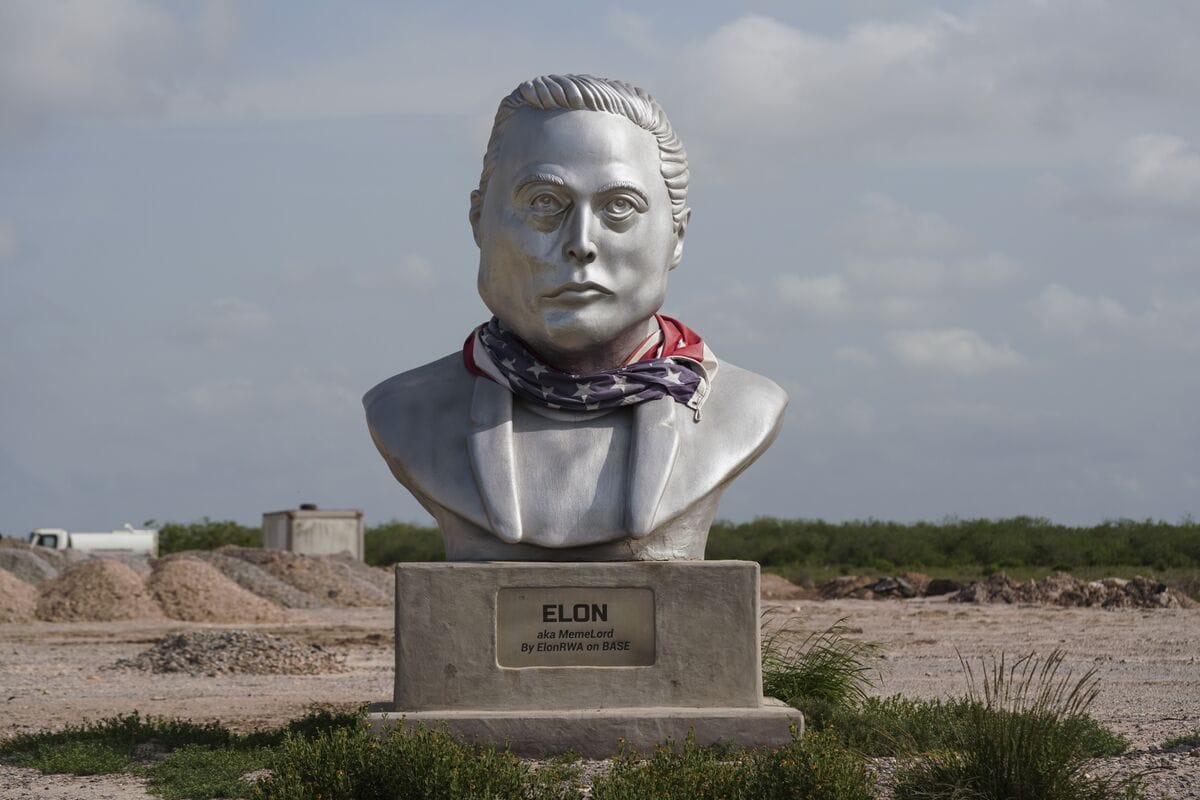
Source: https://www.bloomberg.com/opinion/newsletters/2026-10-27/musk-s-mars-merger-pay
SpaceX/Tesla comp packages
Elon Musk is the chief executive officer and “Technoking” of Tesla Inc. He has a long-term performance incentive plan. Here are Tesla’s summary of the plan and the plan agreement. The gist of it is that Musk is will get about 423.7 million shares of stock — about 12% of Tesla — in 12 tranches, each of which unlocks when Tesla hits (1) a market capitalization milestone and (2) an operational milestone.[1] The market cap milestones start at $2 trillion and go up to $8.5 trillion,[2] and the operational milestones include eight annual earnings thresholds ($50 billion up to $400 billion of adjusted earnings before interest, taxes, depreciation and amortization[3]) and four product thresholds: “20 Million Tesla Vehicles Delivered,” “10 Million Active FSD [fully self-driving] Subscriptions,” “1 Million Bots Delivered” and “1 Million Robotaxis in Commercial Operation.” Any shares he earns vest in March 2033 (if he earns them by 2030) or September 2035 (if he earns them afterwards); if he leaves Tesla before any shares vest, he forfeits them. If Musk earns all of the shares, at an $8.5 trillion market capitalization, the award will be worth a bit more than $1 trillion.
일론 머스크(Elon Musk)는 테슬라(Tesla Inc.)의 최고경영자(CEO)이자 '테크노킹(Technoking)'입니다. 그는 장기 성과 보상 인센티브 플랜을 가지고 있으며, 다음은 테슬라의 플랜 요약본과 플랜 계약서의 내용입니다. 핵심은 머스크가 테슬라 지분의 약 12%에 해당하는 총 4.237억 주의 주식을 12개의 트랜치(tranche, 분할 구간)로 나누어 받게 된다는 점입니다. 각 트랜치는 테슬라가 (1) 시가총액 마일스톤과 (2) 운영 마일스톤을 달성할 때 해제(지급)됩니다. 시가총액 마일스톤은 2조 달러에서 시작해 8조 5,000억 달러까지 올라가며, 운영 마일스톤에는 8개의 연간 실적 임계값(이자·세금·감가상각비·무형자산상각비 차감 전 영업이익 기준 500억 달러에서 최대 4,000억 달러)과 4개의 제품 임계값이 포함됩니다. 제품 임계값은 “테슬라 차량 2,000만 대 인도”, “FSD(완전자율주행) 활성 구독 1,000만 개”, “봇(로봇) 100만 대 인도”, 그리고 “상업 운행 중인 로보택시 100만 대”입니다. 그가 획득한 주식은 2030년까지 목표를 달성할 경우 2033년 3월에, 그 이후에 달성할 경우 2035년 9월에 권리가 확정(vest)됩니다. 만약 주식 권리가 확정되기 전에 테슬라를 떠나면 해당 주식은 몰수됩니다. 머스크가 모든 주식을 획득하고 시가총액이 8조 5,000억 달러에 도달한다면, 이 보상의 가치는 1조 달러를 약간 상회하게 됩니다.
If Tesla does any big acquisitions, the award thresholds will be adjusted in straightforward arithmetic ways:
- The market capitalization thresholds will be increased by the amount of the acquisition price;
- The earnings thresholds will be increased by the Ebitda of the target; and
- If the target makes vehicles or robots or whatever, Tesla will “equitably adjust” the product goals to “prevent diminution or enlargement of the benefits or potential benefits” of the award.
테슬라가 대규모 인수를 진행할 경우, 보상 임계값은 다음과 같은 직관적인 산술 방식으로 조정됩니다.
- 시가총액 임계값은 인수 가격만큼 증가합니다.
- 실적 임계값은 피인수 기업의 상각전영업이익(Ebitda)만큼 증가합니다.
- 피인수 기업이 차량이나 로봇 등을 제조하는 경우, 테슬라는 보상의 혜택이나 잠재적 혜택이 “축소되거나 확대되는 것을 방지”하기 위해 제품 목표를 “공정하게 조정(equitably adjust)”합니다.
“Upon a change in control of Tesla, such as a merger with or purchase by another company, any Earned Shares under the 2025 CEO Performance Award will vest,” evaluated using the merger value as the market capitalization, but “any Unearned Shares that do not become Earned Shares as a result of the change in control will be automatically forfeited.” So if Tesla is acquired at a $3 trillion valuation, that will satisfy the first three market cap milestones ($2 trillion, $2.5 trillion and $3 trillion), but will make him ineligible for the remaining nine tranches. If Tesla is acquired at its current valuation — about $1.5 trillion — then Musk will forfeit the entire award.
“다른 기업과의 합병이나 매각 등 테슬라의 경영권 변경(change in control)이 발생하는 경우, 2025 CEO 성과 보상에 따라 획득한 기득권 주식(Earned Shares)은 모두 권리가 확정”됩니다. 이때 시가총액은 합병 가치를 기준으로 평가되지만, “경영권 변경의 결과로 획득 주식이 되지 못한 미획득 주식(Unearned Shares)은 자동으로 몰수”됩니다. 따라서 테슬라가 3조 달러의 가치로 인수된다면 처음 3개의 시가총액 마일스톤(2조 달러, 2조 5,000억 달러, 3조 달러)은 달성되지만, 남은 9개의 트랜치에 대해서는 자격을 상실하게 됩니다. 만약 테슬라가 현재 가치인 약 1조 5,000억 달러에 인수된다면, 머스크는 보상 전체를 몰수당하게 됩니다.
A “change in control” is a transaction in which Tesla is acquired by someone else; in particular, a merger in which Tesla is the acquired (i.e., smaller) company would probably be a change in control.[4]
“경영권 변경”이란 테슬라가 타사에 인수되는 거래를 의미하며, 특히 테슬라가 피인수 기업(즉, 더 작은 기업)이 되는 합병은 경영권 변경에 해당할 것입니다.
Elon Musk is the chief executive officer of Space Exploration Technologies Corp. He has a long-term performance incentive plan. Here are SpaceX’s summary of the plan, the original award agreement from January, a modification to the agreement from March to reflect SpaceX’s acquisition of xAI, and SpaceX’s general equity compensation plan. The gist of it now is that Musk will get up to about 1.3 billion shares of SpaceX, in a variety of tranches, contingent on hitting market capitalization milestones ranging from about $1.065 trillion to $7.5 trillion. Most of the shares are also contingent on “the Company’s establishment of a permanent human colony on Mars with at least one million inhabitants,” but some are instead contingent on “the Company’s completion of non-Earth-based data centers capable of delivering 100 terawatts of compute per year.” None of the shares can be awarded unless at least one of those milestones is hit; market cap alone is not enough.
일론 머스크는 스페이스X(Space Exploration Technologies Corp.)의 최고경영자이기도 합니다. 그에게는 장기 성과 보상 인센티브 플랜이 있습니다. 다음은 스페이스X의 플랜 요약본, 1월의 원본 보상 계약서, 스페이스X의 xAI 인수를 반영하기 위해 3월에 수정된 계약서, 그리고 스페이스X의 일반 주식 보상 플랜입니다. 현재의 핵심은 머스크가 스페이스X의 시가총액 마일스톤(약 1조 650억 달러에서 7조 5,000억 달러 사이) 달성을 조건으로 다양한 트랜치를 통해 최대 약 13억 주의 스페이스X 주식을 받게 된다는 점입니다. 대부분의 주식은 또한 “회사가 최소 100만 명의 주민이 거주하는 영구적인 화성 인류 식민지를 건설하는 것”을 조건으로 걸려 있으며, 일부는 대신 “연간 100테라와트의 연산 능력을 제공할 수 있는 지구 외 데이터 센터를 회사가 구축하는 것”을 조건으로 합니다. 이러한 마일스톤 중 적어도 하나를 달성하지 못하면 주식은 전혀 지급되지 않으며, 시가총액 단독으로는 충분하지 않습니다.
If SpaceX does any acquisitions, the board can adjust the market cap milestones. This is less mechanical than the Tesla award, just “the Board (or a designated committee thereof) may equitably adjust the Market Capitalization Milestone in the event of material corporate actions, acquisitions or dispositions.” The Mars-colony and space-data-center milestones do not adjust. You could imagine that, if SpaceX had a 600,000-person Mars colony and it acquired another company with a 450,000-person Mars colony, the threshold really should be adjusted; otherwise Musk could meet the Mars-colony-population requirement by Mars-colony acquisition rather than by organic Mars colonization. But I can understand why the board did not actually negotiate for that adjustment. The plan does not generally provide for accelerated vesting on a change in control.
스페이스X가 인수를 진행할 경우, 이사회는 시가총액 마일스톤을 조정할 수 있습니다. 이는 테슬라의 보상처럼 기계적이지 않고, 단순히 “중대한 기업 행위, 인수 또는 처분이 발생할 경우 이사회(또는 지정된 위원회)가 시가총액 마일스톤을 공정하게 조정할 수 있다”는 식입니다. 화성 식민지 및 우주 데이터 센터 마일스톤은 조정되지 않습니다. 가령 스페이스X가 60만 명 규모의 화성 식민지를 보유한 상태에서 45만 명 규모의 화성 식민지를 가진 다른 기업을 인수한다면, 머스크가 유기적인 화성 개척이 아니라 화성 식민지 인수를 통해 화성 인구 요건을 충족할 수 있으므로 임계값은 실제로 조정되어야 한다고 생각할 수도 있습니다. 하지만 이사회가 실제로 그 조정을 위해 협상하지 않은 이유도 이해할 수 있습니다. 해당 플랜은 일반적으로 경영권 변경 시 가속 권리 확정(accelerated vesting)을 규정하고 있지 않습니다.
So what happens if SpaceX and Tesla merge, as they are considering? Well, it depends on exactly how the deal works, but I would assume that:
- Any deal will be an all-stock merger in which neither company is paid a significant premium.
- Probably that means that current SpaceX shareholders will own more of the combined company than current Tesla shareholders; SpaceX’s market capitalization as of yesterday’s close was a bit more than $2 trillion, while Tesla’s was a bit more than $1.5 trillion.
- Also, SpaceX will be the surviving company as a legal matter, because Musk owns super-voting stock of SpaceX, while Tesla has no super-voting stock, and Musk has been clear that if he’s going to build a robot army he wants perpetual control of it. My back-of-the-envelope math is that, if SpaceX and Tesla merge, Musk will end up with about 78% of the voting power of the combined company.[5]
그렇다면 스페이스X와 테슬라가 검토 중인 것처럼 합병한다면 어떤 일이 벌어질까요? 구체적인 거래 방식에 따라 다르겠지만, 저는 다음과 같이 예상합니다.
- 이번 거래는 양사 모두 상당한 프리미엄을 받지 않는 전액 주식 교환 방식(all-stock merger)의 합병이 될 것입니다.
- 이는 어제 종가 기준 스페이스X의 시가총액이 2조 달러를 약간 상회하고 테슬라는 1조 5,000억 달러를 약간 상회하므로, 현재 스페이스X 주주들이 합병 법인의 지분을 테슬라 주주들보다 더 많이 보유하게 될 것임을 의미합니다.
- 또한, 법적으로는 스페이스X가 존속 회사가 될 것입니다. 머스크는 스페이스X의 복수차등의결권 주식(super-voting stock)을 보유하고 있는 반면 테슬라에는 차등의결권 주식이 없으며, 머스크는 로봇 군단을 구축할 경우 그에 대한 영구적인 통제권을 갖기를 원한다는 점을 분명히 해왔기 때문입니다. 제 대략적인 계산에 따르면, 스페이스X와 테슬라가 합병할 경우 머스크는 합병 법인의 의결권 중 약 78%를 차지하게 될 것입니다.
On those assumptions:
- There’s a change of control of Tesla at a valuation below $2 trillion, so his entire Tesla pay package goes away.
- He keeps his SpaceX pay package, but SpaceX’s board “may equitably adjust the Market Capitalization Milestone.” There’s no rule for how it does that, but it could, for instance, add $1.5 trillion to each market cap milestone, to reflect the Tesla acquisition. (This is how Tesla’s pay package would adjust, if Tesla were the surviving company.) Or it could multiply each milestone by, say, 1.75, to reflect the percentage increase in the company’s size. (That seems to roughly reflect how SpaceX adjusted his pay package when it acquired xAI: His original SpaceX pay package had milestones ranging from $400 billion to $6 billion, but when SpaceX acquired xAI — at a nominal value of $1 trillion for SpaceX and $250 billion for xAI — those were all adjusted up by 25%. This seems to me to be fairer, and stricter, than just adding the market cap to the milestones.)
이러한 가정을 바탕으로 볼 때:
- 2조 달러 미만의 가치평가로 테슬라의 경영권이 변경되므로, 그의 테슬라 보상 패키지는 전면 소멸합니다.
- 그는 스페이스X 보상 패키지는 유지하지만, 스페이스X 이사회는 “시가총액 마일스톤을 공정하게 조정할 수 있습니다.” 이에 대한 명확한 규칙은 없지만, 예를 들어 테슬라 인수를 반영하기 위해 각 시가총액 마일스톤에 1조 5,000억 달러를 더할 수 있습니다(테슬라가 존속 회사였다면 테슬라의 보상 패키지가 조정되었을 방식입니다). 혹은 회사의 규모 증가 백분율을 반영하여 각 마일스톤에 가령 1.75를 곱할 수도 있습니다(이는 스페이스X가 xAI를 인수했을 때 보상 패키지를 조정한 방식과 대략 비슷해 보입니다. 당시 스페이스X의 원래 보상 패키지는 마일스톤이 4,000억 달러에서 60억 달러 사이였으나, 스페이스X가 xAI를 인수할 때—스페이스X 명목 가치 1조 달러, xAI 명목 가치 2,500억 달러—이들 모두 25% 상향 조정되었습니다. 이는 단순히 시가총액을 마일스톤에 더하는 것보다 공정하면서도 더 엄격한 방식이라고 생각합니다).
So, to get his full SpaceX pay package after the merger, Musk would need to get the company to about a $13 trillion valuation. And put 100 terawatts of data centers in space. And put a million people on Mars.
따라서 합병 후 온전한 스페이스X 보상 패키지를 받으려면, 머스크는 회사의 가치를 약 13조 달러까지 끌어올려야 합니다. 그리고 우주에 100테라와트 규모의 데이터 센터를 구축해야 합니다. 그리고 화성에 100만 명을 이주시켜야 합니다.
If he did that, the pay package would be worth on the order of $1 trillion or so, hey, great. Also, though, if he did that, his existing equity stake in the combined company — a bit more than one-third of the stock — would be worth more than $4 trillion. Also, if SpaceX got to a $13 trillion valuation without the Mars colony or the space data centers, his existing stake would be worth more than $4 trillion. Owning one-third of a giant company is pretty valuable, with or without Mars colonies.
만약 그가 그것을 해낸다면, 보상 패키지의 가치는 1조 달러 안팎에 이를 것이며 아주 훌륭한 일입니다. 또한, 그렇게 된다면 합병 법인에 대한 그의 기존 지분(전체 주식의 3분의 1을 약간 상회)의 가치 역시 4조 달러를 넘게 될 것입니다. 아울러 스페이스X가 화성 식민지나 우주 데이터 센터 없이 13조 달러의 가치평가에 도달하더라도 그의 기존 지분 가치는 4조 달러 이상이 될 것입니다. 화성 식민지의 유무와 상관없이, 거대 기업의 3분의 1을 소유하는 것은 매우 가치 있는 일입니다.
That said, all of this is pretty discretionary. The boards of Tesla and SpaceX could demand that Musk reduce his pay package in any merger. Or they could grant him some extra pay for doing the merger.
그렇다 하더라도 이 모든 것은 상당 부분 재량에 달려 있습니다. 테슬라와 스페이스X의 이사회는 합병 과정에서 머스크에게 보상 패키지를 축소할 것을 요구할 수도 있습니다. 혹은 합병을 성사시킨 대가로 추가 보상을 부여할 수도 있습니다.
I guess my point is that you shouldn’t worry too much about Elon Musk’s moonshot pay packages, in the context of a potential SpaceX/Tesla merger. Like:
- The point of the Tesla pay package is mostly to get Musk more voting control of the company, so he can keep an eye on the robots. But a SpaceX merger would serve that purpose much more directly: It would just give him super-voting control of the whole robot army and obviate the need for any new Tesla shares.
- The point of the SpaceX pay package is, in part, to motivate Musk to work hard to create value, but it is also kind of for show. “Ooh he’s getting paid for Mars colonies,” fine, but the basic fact is that Musk owns about 46% of the economic value of SpaceX right now, so he keeps half of any increase in its value anyway. He doesn’t really need any more shares to motivate him to increase its value.
- If he’s going to merge Tesla and SpaceX, it’s not for some sort of clever jiujitsu with his pay packages.
- It’s to get voting control of Tesla.
제가 하고 싶은 말은, 스페이스X와 테슬라의 잠재적 합병 맥락에서 일론 머스크의 천문학적 보상 패키지(moonshot pay packages)에 대해 너무 걱정할 필요가 없다는 것입니다. 왜냐하면:
- 테슬라 보상 패키지의 목적은 주로 머스크가 로봇을 감시할 수 있도록 회사에 대한 더 많은 의결권 통제력을 확보하는 데 있습니다. 하지만 스페이스X와의 합병은 그 목적을 훨씬 더 직접적으로 달성해 줍니다. 즉, 로봇 군단 전체에 대한 초과의결권 통제권을 그에게 부여하므로 새로운 테슬라 주식이 전혀 필요 없어지게 됩니다.
- 스페이스X 보상 패키지의 목적은 부분적으로는 머스크가 가치 창조를 위해 열심히 일하도록 동기부여를 하는 것이기도 하지만, 일종의 보여주기식이기도 합니다. “오, 화성 식민지 건설 대가로 돈을 받는구나”라고 할 수 있지만, 근본적인 사실은 머스크가 현재 스페이스X 경제적 가치의 약 46%를 소유하고 있으므로 가치 증가분의 절반은 어차피 그가 가져간다는 점입니다. 가치 증가를 위해 그에게 추가적인 주식이 반드시 동기부여가 되는 것은 아닙니다.
- 그가 테슬라와 스페이스X를 합병하려는 이유는 보상 패키지를 가지고 영리한 잔머리를 굴리기 위함이 아닙니다.
- 그것은 테슬라의 의결권을 장악하기 위해서입니다.
MidCap
Here’s some dumb business development company math. Let’s say I run a publicly traded BDC, a closed-end private credit fund open to retail investors. Like a lot of BDCs, mine trades at a big discount to its net asset value: My financial statements say that my BDC is worth $100 per share, but its stock trades at $70 per share.
여기 바보 같은 사업개발회사(BDC) 수학 이야기가 있습니다. 제가 소매 투자자들에게 개방된 폐쇄형 사모 신용 펀드이자 상장된 BDC를 운영하고 있다고 가정해 봅시다. 많은 BDC가 그렇듯, 제 BDC는 순자산가치(NAV)에 비해 큰 할인율로 거래되고 있습니다. 제 재무제표에는 제 BDC의 가치가 주당 100달러라고 나와 있지만, 주식은 주당 70달러에 거래되고 있습니다.
You run a different public BDC, which also trades at a discount. Your BDC has a net asset value of $10 per share, and it trades at $8.
당신은 할인된 가격에 거래되는 또 다른 공모 BDC를 운영하고 있습니다. 당신의 BDC는 순자산가치가 주당 10달러이고, 8달러에 거래되고 있습니다.
I am tired of getting complaints about my BDC and I would like to get rid of it. I decide to sell it to you. How much should you pay for it? Some options include:
- $100 per share, its net asset value, reflecting the value that I and my auditors ascribe to its assets;
- $70 per share, its trading price, reflecting the value that my shareholders seem to ascribe to its assets; or
- something in between.
저는 제 BDC에 대한 불만에 지쳐 이를 처분하고 싶어졌고, 당신에게 매각하기로 결정했습니다. 당신은 얼마를 지불해야 할까요? 몇 가지 선택지는 다음과 같습니다.
- 주당 100달러(순자산가치): 저와 제 외부 감사인들이 자산에 부여한 가치를 반영합니다.
- 주당 70달러(거래 가격): 제 주주들이 자산에 부여하는 것으로 보이는 가치를 반영합니다.
- 그 사이의 어떤 가격.
Let’s say we agree on $90 per share: You get a 10% discount, buying my loans for less than their fair value, but my shareholders get a 29% premium, selling their shares for more than their market value.
우리가 주당 90달러에 합의했다고 가정해 봅시다. 당신은 10%의 할인을 받아 내 대출 자산을 공정 가치보다 싸게 매입하게 되고, 제 주주들은 29%의 프리미엄을 받아 자신들의 주식을 시장 가치보다 비싸게 매도하게 됩니다.
How do you pay? Well, you could write me a check for $90 per share. But realistically this is going to be a mostly stock deal: My BDC will be folded into yours, and my BDC’s shareholders will become shareholders of the combined BDC. So you will issue shares of your BDC to pay for my BDC.
대금은 어떻게 지불할까요? 글쎄요, 주당 90달러짜리 수표를 끊어줄 수도 있습니다. 하지만 현실적으로 이는 대부분 주식 교환 방식의 거래가 될 것입니다. 제 BDC가 당신의 BDC로 흡수 합병되고, 제 BDC의 주주들은 통합 BDC의 주주가 될 것입니다. 따라서 당신은 제 BDC 대금으로 당신의 BDC 주식을 발행하게 될 것입니다.
How many? Well. You owe my shareholders $90 for each share of my BDC. Your BDC has a net asset value of $10 per share. So, 9 shares of your BDC would be worth $90. Right? Oh of course your BDC trades at $8 per share, so 9 shares would have a market value of $72. But it’s worth $10 per share. So 9 shares.
몇 주를 발행해야 할까요? 자, 당신은 제 BDC 주주들에게 제 BDC 주당 90달러를 지불해야 합니다. 당신의 BDC는 순자산가치가 주당 10달러입니다. 그렇다면 당신의 BDC 9주는 90달러의 가치가 됩니다. 맞죠? 아, 물론 당신의 BDC는 주당 8달러에 거래되므로 9주의 시장 가치는 72달러가 됩니다. 하지만 주당 가치는 10달러입니다. 그러므로 9주입니다.
The point is that:
- We get to announce that you’re buying my BDC for $90 per share, a 29% premium to its trading price, and
- You actually deliver shares of your BDC worth $72 for each share of my BDC, a 3% premium to its trading price.[6]
요점은 다음과 같습니다.
- 우리는 당신이 제 BDC를 주당 90달러, 즉 거래 가격 대비 29%의 프리미엄으로 매입한다고 발표할 수 있습니다.
- 하지만 당신은 실제로 제 BDC 주당 72달러 가치의 당신의 BDC 주식을 교부하게 되며, 이는 거래 가격 대비 3%의 프리미엄에 해당합니다.[6]
Is that something? I dunno. Anyway:
Ares Capital Corp. said it agreed to buy private credit fund MidCap Financial Investment Corp. from Apollo Global Management Inc. in a cash-and-stock transaction with an enterprise value of $2.6 billion.
Under the terms of the deal, MFIC shareholders will receive $10.88 per share, consisting of about $1.21 in cash and $9.67 in Ares Capital common stock, the companies said in a statement Tuesday. The price is about 30% higher than MFIC’s closing price Monday.
이게 말이 되는 소리냐고요? 글쎄요. 어쨌든:
아레스 캐피털(Ares Capital Corp.)은 아폴로 글로벌 매니지먼트(Apollo Global Management Inc.)로부터 사모 신용 펀드인 캡코프 미드캡 파이낸셜 인베스트먼트(MidCap Financial Investment Corp.)를 기업가치 26억 달러 규모의 현금 및 주식 거래 방식으로 인수하기로 합의했다고 밝혔습니다.
양사는 화요일 성명을 통해 거래 조건에 따라 미드캡(MFIC) 주주들이 주당 10.88달러를 받게 되며, 이는 약 1.21달러의 현금과 아레스 캐피털 보통주 9.67달러로 구성된다고 밝혔습니다. 이 가격은 월요일 미드캡의 종가보다 약 30% 높은 수준입니다.
Here’s the statement. The consideration is “approximately $1.21 per share in cash, provided by a subsidiary of Ares Management, and approximately $9.67 per share in Ares Capital common stock,” adjusted for a cash special dividend. The shares of Ares Capital common stock “will be calculated based on an exchange ratio using a value for the Ares Capital common stock equal to the greater of (i) Ares Capital’s NAV per share prior to closing and (ii) Ares Capital’s share price.” MidCap’s “preliminary estimate of net asset value per share as of September 30, 2026, is approximately $12.86.” Ares Capital’s net asset value per share is $19.31; the stock closed at $18.61 yesterday, about a 4% discount.
성명 내용은 다음과 같습니다. 대금은 현금 특별 배당을 조정하여 “아레스 매니지먼트의 자회사가 제공하는 주당 약 1.21달러의 현금과 아레스 캐피털 보통주 주당 약 9.67달러”로 구성됩니다. 아레스 캐피털 보통주 수는 “(i) 마감일 전 아레스 캐피털의 주당 NAV와 (ii) 아레스 캐피털의 주가 중 더 큰 값을 사용하여 산정되는 교환 비율”에 따라 계산됩니다. 미드캡의 “2026년 9월 30일 기준 주당 순자산가치 예비 추정치는 약 12.86달러”입니다. 아레스 캐피털의 주당 순자산가치는 19.31달러이며, 주식은 어제 약 4% 할인된 18.61달러에 마감되었습니다.
So:
- MidCap’s NAV is $12.86 per share, and it closed on Monday at $8.36 per share, about a 35% discount.
- It’s being acquired by Ares Capital at $10.88 per share, a 30% premium to its trading price and a 15% discount to NAV.
- But $9.67 of that consideration is in the form of stock of Ares Capital, which trades at a (small) discount to NAV. That $9.67 of Ares Capital stock (at NAV) is worth about $9.32 (at market prices).
정리하자면:
- 미드캡의 NAV는 주당 12.86달러이며, 월요일 종가는 주당 8.36달러로 약 35% 할인되어 거래되었습니다.
- 아레스 캐피털에 의해 주당 10.88달러에 인수되며, 이는 거래 가격 대비 30% 프리미엄, NAV 대비 15% 할인된 가격입니다.
- 그러나 해당 대금 중 9.67달러는 NAV 대비 (소폭) 할인된 가격에 거래되는 아레스 캐피털의 주식 형태로 지급됩니다. (NAV 기준) 아레스 캐피털 주식 9.67달러어치는 (시장 가격 기준으로) 약 9.32달러의 가치를 가집니다.
Ares Capital trades at quite a small discount, so the effect here is not that notable; it is hardly worth discussing the difference between Ares Capital’s stock price and NAV. But it does seem like there will be more BDC consolidation, and many public BDCs trade at larger discounts. And when they announce acquisitions, they will probably use their net asset values in reporting the deal value, not their trading prices.[7]
아레스 캐피털은 아주 적은 폭의 할인율로 거래되고 있기 때문에 그 영향이 그리 두드러지지 않으며, 아레스 캐피털의 주가와 NAV의 차이를 논하는 것은 거의 의미가 없습니다. 하지만 앞으로 더 많은 BDC 통합이 이루어질 것으로 보이며, 많은 공모 BDC들이 더 큰 폭의 할인율로 거래되고 있습니다. 그리고 이들이 인수를 발표할 때, 거래 가치를 보고할 때 자신들의 거래 가격이 아닌 순자산가치를 사용할 것입니다.[7]
Pattern day trading
My general model is:
- Retail investors’ stock trades are generally uninformed and, effectively, random. If a retail investor buys an index fund and holds it for 20 years, she’ll probably make money, because the stock market generally goes up over time. But if she buys an individual stock and sells it in an hour, it’s just a coin flip whether it will go up or down. Lots of smart people compete to make stock prices right, the market is pretty efficient, and any particular retail investor is unlikely to have any systematic advantage over the market.
- This means that the market maker on the other side of a retail investor’s trade — who sells when she buys and buys when she sells— generally makes money. The market maker charges the retail investor a small bid/ask spread — it sells to her at $50.25 and buys from her at $50.24 or whatever — and has almost no risk of adverse selection, so it gets to keep most of the spread. This is an extremely good business that has produced lots of billionaires.
- Because it’s such a good business, the market makers compete to pay retail brokerages (like Robinhood) to take the other side of their customers’ trades.
- The retail customer pays the spread. If she buys and holds an index fund for 20 years, that spread has virtually no effect on her long-term returns. But if she buys a stock and holds it for an hour, (1) her expected gross return is roughly zero and (2) her expected return net of the spread is negative.
- Thus: The more frequently the customer trades, (1) the less money she has, (2) the more money the market makers have and (3) the more money her brokerage has.
- All this, but like 10 times more, for stock options or crypto.
- Not you, though; you’re special. You have a system. You trade frequently and make money every month.
제 일반적인 모델은 다음과 같습니다.
- 개인 투자자들의 주식 거래는 대체로 정보가 부족하며 사실상 무작위적입니다. 개인 투자자가 인덱스 펀드를 매수해 20년 동안 보유한다면, 주식 시장은 시간이 지날수록 우상향하는 경향이 있으므로 아마 돈을 벌 것입니다. 하지만 개별 주식을 사고 한 시간 만에 판다면, 그 주가가 오를지 내릴지는 동전 던지기나 다름없습니다. 수많은 영민한 사람들이 주가를 정확하게 맞추기 위해 경쟁하고 시장은 꽤 효율적이기 때문에, 특정 개인이 시장 대비 체계적인 우위를 가질 가능성은 거의 없습니다.
- 이는 개인 투자자 거래의 반대편에 서 있는 마켓 메이커(market maker)—개인이 살 때 팔고, 팔 때 사는 주체—가 일반적으로 돈을 번다는 것을 의미합니다. 마켓 메이커는 개인 투자자에게 소액의 매수/매도 호가 스프레드(bid/ask spread)를 부과합니다(개인에게 50.25달러에 팔고 50.24달러에 사거나 하는 식입니다). 그리고 역선택(adverse selection)의 위험이 거의 없기 때문에 스프레드의 대부분을 챙기게 됩니다. 이는 수많은 억만장자를 배출해 낸 극도로 훌륭한 사업입니다.
- 이처럼 훌륭한 사업이기 때문에, 마켓 메이커들은 고객들의 거래 반대편을 차지하기 위해 (로빈후드 같은) 리테일 브로커리지에 돈을 지불하며 경쟁합니다.
- 개인 고객은 스프레드를 지불합니다. 만약 인덱스 펀드를 사서 20년 동안 보유한다면 그 스프레드는 장기 수익률에 거의 영향을 미치지 않습니다. 하지만 주식을 사고 한 시간 동안 보유한다면, (1) 예상 총수익률은 대략 제로(0)에 가깝고, (2) 스프레드를 차감한 순예상수익률은 마이너스가 됩니다.
- 따라서: 고객이 거래를 자주 할수록, (1) 가진 돈은 줄어들고, (2) 마켓 메이커들이 가진 돈은 늘어나며, (3) 브로커리지가 가진 돈도 늘어납니다.
- 주식 옵션이나 암호화폐의 경우 이 모든 것이 대략 10배 이상 증폭됩니다.
- 하지만 당신은 예외입니다. 당신은 특별하니까요. 당신만의 시스템이 있습니다. 자주 거래하면서 매달 돈을 벌고 있죠.
We have talked about this model frequently. We used to talk about it a lot because “payment for order flow” — the thing in Step 3 where market makers pay brokers to trade with their retail customers — was controversial and mysterious; people thought that the market makers were front-running the retail orders, and I had to keep explaining, no, the market makers just really like collecting the spread trading against random orders.
우리는 이 모델에 대해 자주 이야기해 왔습니다. 과거에 이 이야기를 많이 했던 이유는 마켓 메이커가 개인 고객과 거래하기 위해 브로커에게 돈을 지불하는 3단계의 ‘주문 흐름 대가 지불(payment for order flow)’ 제도가 논란이 많고 미스터리했기 때문입니다. 사람들은 마켓 메이커가 개인 주문을 앞질러 가로채고(front-running) 있다고 생각했고, 저는 “아닙니다, 마켓 메이커들은 그저 무작위 주문을 상대로 거래하면서 스프레드를 챙기는 것을 아주 좋아할 뿐입니다”라고 거듭 설명해야 했습니다.
More recently, though, we talk about it a lot because brokers and market makers are in the business of encouraging more trading. On this simple model, market makers’ and brokers’ profits go up as retail trading frequency goes up, at the expense of the retail traders. So the game is to get retail traders to trade more. How do you do that? Well:
- Robinhood’s innovation of commission-free trading really helped. If the visible dollar cost of a trade is $0, people will trade more. (And pay the bid-ask spread more frequently.)
- Giving customers more short-term gambling products to trade helps. If every day there are new stock options that expire that same day, (1) that’s fun and people will buy them and (2) customers can’t buy and hold them for 20 years, because they expire in a day. More trading, more bid/ask spreads. In the limit case, you could offer sports betting in a brokerage account: People love to bet on sports, and sports bets expire in a day (if you bet on today’s game) or even faster (if you bet on, like, whether the next pitch will be a ball or a strike). Way more betting. When I started writing “you could bet on sports in your brokerage account” I was joking, but now it is simply true.
- The big current push is agentic trading: Retail traders can only make so many trades per day, because they have to eat and sleep and go to jobs, but the promise of agentic AI is that retail traders can set up dozens of agents to make hundreds of trades per day
하지만 최근 들어 이 이야기를 다시 자주 나누는 이유는, 브로커와 마켓 메이커들이 더 잦은 거래를 부추기는 것을 사업 모델로 삼고 있기 때문입니다. 이 단순한 모델에 따르면, 개인 투자자의 거래 빈도가 높아질수록 마켓 메이커와 브로커의 수익은 개인 투자자의 희생을 발판 삼아 증가합니다. 그래서 이 게임의 핵심은 개인 투자자들을 더 자주 거래하게 만드는 것입니다. 어떻게 하면 될까요? 글쎄요:
- 로빈후드의 수수료 무료 거래 혁신이 큰 도움이 되었습니다. 거래의 가시적인 달러 비용이 0달러라면 사람들은 더 자주 거래하게 됩니다. (그리고 매수-매도 호가 스프레드를 더 자주 지불하게 되죠.)
- 고객들이 거래할 수 있는 단기 도박성 상품을 더 많이 제공하는 것도 도움이 됩니다. 매일 당일 만기되는 새로운 주식 옵션이 나온다면, (1) 재미있기 때문에 사람들은 그것을 살 것이고, (2) 당일 만기되므로 고객들은 20년 동안 사서 보유할 수가 없습니다. 더 잦은 거래, 더 많은 매수/매도 호가 스프레드가 발생하는 것입니다. 극단적인 경우, 브로커리지 계좌에서 스포츠 도박을 제공할 수도 있습니다. 사람들은 스포츠에 베팅하는 것을 좋아하며, 스포츠 베팅은 오늘 경기에 베팅하듯 당일에 만기되거나(심지어 다음 공이 볼일지 스트라이크일지 베팅하는 것처럼 훨씬 더 빠르게) 끝납니다. 훨씬 더 많은 베팅이 이루어지죠. 제가 “브로커리지 계좌에서 스포츠 베팅을 할 수 있게 될 것”이라고 처음 썼을 때는 농담이었지만, 지금은 그것이 명백한 사실이 되었습니다.
- 현재 가장 크게 밀어붙이고 있는 트렌드는 바로 에이전틱 트레이딩(agentic trading)입니다. 개인 투자자들은 먹고 자고 직장에 가야 하기 때문에 하루에 할 수 있는 거래 횟수에 한계가 있지만, 에이전틱 AI의 약속은 개인 투자자들이 수십 개의 에이전트를 설정해 하루에 수백 번의 거래를 할 수 있게 해준다는 것입니다.
The point that I want to make here is that this model is blindingly obvious and absolutely everyone knows it, except I guess for some (not all!) retail day traders, though some people’s businesses depend on pretending not to know it.[8] In particular regulators know all of this stuff, and have occasionally thought about how to mitigate it. One crude approach might be to have a rule saying something like “brokers should not let their small-dollar retail customers do too many day trades.” Like, if you have a small brokerage account and are constantly buying stocks and selling them an hour later, chances are that over the long run you are just transferring money from your account to your broker and a market maker. Not you, you have a system, but a lot of people. Your broker might like that, but the regulators, if they are interested in consumer protection, might not. They might tell your broker not to let you do that. “No more than four day trades a week,” the regulators might say.
제가 여기서 강조하고 싶은 점은, 이 모델이 뻔할 정도로 명백하며 모르는 체하는 일부(전부는 아닙니다!) 개인 데이 트레이더들을 제외하면 절대적으로 모든 사람이 이를 알고 있다는 사실입니다. 다만 어떤 이들의 사업은 이를 모르는 척하는 데 의존하고 있죠.[8] 특히 규제 기관들은 이 모든 것을 잘 알고 있으며, 이를 완화할 방안을 간혹 고민해 왔습니다. 그중 거친 접근법 중 하나는 “브로커들은 소액의 자산을 가진 개인 고객들이 데이 트레이드를 너무 많이 하도록 내버려 두어서는 안 된다”는 식의 규칙을 두는 것일 수 있습니다. 예를 들어, 소규모 브로커리지 계좌를 가지고 있으면서 끊임없이 주식을 사고 한 시간 뒤에 판다면, 장기적으로 볼 때는 결국 계좌의 돈을 브로커와 마켓 메이커에게 이체하고 있을 확률이 높습니다. 당신은 예외입니다, 당신에게는 시스템이 있으니까요. 하지만 많은 사람들은 그렇습니다. 당신의 브로커는 그것을 좋아할지 모르지만, 소비자 보호에 관심이 있는 규제 기관은 그렇지 않을 수 있습니다. 규제 기관은 브로커에게 그런 거래를 허용하지 말라고 지시할 수 있습니다. “일주일에 데이 트레이드는 4번을 넘을 수 없다”고 말이죠.
But you have a system! There is something un-American about this proposal. Regulators telling brokers not to let their customers trade too frequently, to protect the customers from themselves? No no no. The customers have a right as Americans to trade as often as they like. They might win!
하지만 당신에게는 시스템이 있습니다! 이 제안에는 왠지 미국답지 않은 구석이 있습니다. 규제 기관이 고객들을 그들 자신으로부터 보호하기 위해 브로커에게 고객들의 잦은 거래를 막으라고 지시한다고요? 안 됩니다, 안 돼요. 고객들에게는 미국인으로서 원하는 만큼 자주 거래할 권리가 있습니다. 그들이 이길 수도 있잖아요!
In fact, the US Financial Industry Regulatory Authority did have a rule like this: A customer who made four or more intraday trades in a margin account in any five-business-day period was classified as a “pattern day trader,” and the rule required pattern day traders to have at least $25,000 in their accounts. If you had a small brokerage account, you couldn’t use it to frenetically day-trade stocks. But Finra repealed that rule in April because (1) sure, it’s un-American and (2) look around, man: You can bet on sports in your brokerage account, and it seems quaint to limit you to four day trades a week.
실제로 미국 금융산업규제국(FINRA)에는 정확히 이와 같은 규칙이 있었습니다. 마진 계좌에서 5거래일 동안 4회 이상의 장중(intraday) 거래를 한 고객은 ‘패턴 데이 트레이더(pattern day trader)’로 분류되었고, 규정에 따라 패턴 데이 트레이더는 계좌에 최소 25,000달러를 보유해야 했습니다. 소규모 브로커리지 계좌를 가지고 있다면, 그것을 이용해 열광적으로 주식 데이 트레이딩을 할 수 없었던 것입니다. 하지만 FINRA는 지난 4월에 그 규정을 폐지했습니다. 왜냐하면 (1) 확실히 미국답지 않고, (2) 주변을 둘러보세요: 브로커리지 계좌에서 스포츠 베팅을 할 수 있는 마판에 일주일에 데이 트레이드를 4번으로 제한하는 것은 이제 너무 고루해 보이기 때문입니다.
On Friday, Bloomberg’s Simone Foxman wrote about the results:
Retail trading in investments like stocks and options is hitting record levels — a frenzy unleashed in large part by a recent rule change that made day trading far easier for small investors.
Trading volumes at Robinhood Markets Inc. and Webull Corp. surged since June when regulators eliminated a longstanding rule that limited investors with less than $25,000 in margin accounts from making more than four day trades in five business days. The change has supercharged trading at a time when stock prices are close to record highs and new investors, inspired by social media, are being drawn into the market.
The move by the Financial Industry Regulatory Authority to repeal the so-called pattern day trader rule was welcomed by trading firms and many small investors who said the old restrictions tied their hands during fast-moving market action. “You were so limited. It wasn’t really fun,” said Peter Tuchman, a Wall Street veteran who runs courses for retail traders as part of Wall Street Global Trading Academy.
But investor advocates see things differently, worrying it’s another sign that, for many Americans, stock trading is no longer about building long-term wealth: It’s a speculative hobby, similar to prediction markets and online sports betting.
The rule change is “another example of making it easier for people to blur the line between investing and gambling,” said Benjamin Schiffrin, director of securities policy at investor protection advocacy group Better Markets.
지난 금요일, 블룸버그(Bloomberg)의 시몬 폭스만(Simone Foxman)은 그 결과에 대해 다음과 같이 썼습니다.
주식 및 옵션 같은 투자 상품에서의 개인 거래가 사상 최고치를 기록하고 있습니다. 이는 소액 투자자들이 데이 트레이딩을 훨씬 더 쉽게 할 수 있도록 만든 최근의 규제 완화로 인해 상당 부분 촉발된 광풍입니다.
로빈후드 마켓츠(Robinhood Markets Inc.)와 위불 코프(Webull Corp.)의 거래량은, 규제 기관이 25,000달러 미만의 마진 계좌를 가진 투자자들이 5거래일 동안 4회를 초과하여 데이 트레이딩을 하는 것을 제한했던 오랜 규제를 폐지한 지난 6월 이후 급증했습니다. 주가가 사상 최고치에 근접해 있고 소셜 미디에 영감을 받은 신규 투자자들이 시장으로 유입되는 시기에 이 규제 변경은 거래에 엄청난 불을 지폈습니다.
금융산업규제국이 소위 패턴 데이 트레이더 규칙을 폐지한 조치는, 빠른 속도로 움직이는 시장 상황에서 기존의 제약이 손발을 묶었다고 말하는 트레이딩 회사들과 많은 소액 투자자들에게 환영을 받았습니다. 월스트리트의 베테랑이자 월스트리트 글로벌 트레이딩 아카데미(Wall Street Global Trading Academy)의 개인 투자자 교육 과정을 운영하는 피터 투크만(Peter Tuchman)은 “제약이 너무 심했습니다. 정말 재미가 없었죠”라고 말했습니다.
하지만 투자자옹호단체들은 다른 시각으로 이 상황을 바라보며, 많은 미국인들에게 주식 거래가 더 이상 장기적인 부의 축적 수단이 아니라는 또 다른 신호라고 우려하고 있습니다. 즉, 예측 시장이나 온라인 스포츠 베팅과 유사한 투기성 취미가 되었다는 것입니다.
투자자 보호 옹호 그룹인 '베터 마켓(Better Markets)'의 증권 정책 책임자 벤자민 쉬프린(Benjamin Schiffrin)은 이번 규제 변경에 대해 “사람들이 투자와 도박 사이의 경계를 더 흐리기 쉽게 만드는 또 하나의 사례”라고 지적했습니다.
I can see both sides. On the one hand, limiting day trading really isn’t fun. On the other hand, maybe fun isn’t the goal?
양쪽 입장이 모두 이해됩니다. 한편으로는 데이 트레이딩을 제한하는 것이 정말 재미가 없는 것은 사실입니다. 다른 한편으로는, 어쩌면 ‘재미’가 궁극적인 목표가 아닐 수도 있지 않을까요?
Prediction market indexes
Back in June I joked about prediction market indexes:
It would be fun to construct a prediction markets index. Collect the 100 biggest event contracts on Kalshi and Polymarket, weight them equally or by open interest or whatever, average their prices, and you get an index that tracks the overall level of prediction markets. Prediction-market investors could use the index to benchmark their own performance, and commentators could use it as a shorthand for how the market is doing. “Events have become more likely,” they could say, or “probabilities have gone down on profit-taking,” or “going into this week’s Fed meeting, traders expect things to happen less.” Just passive exposure to the market portfolio of probabilities. …
This is pretty stupid, but on the other hand I bet there will be an absolutely straight-faced launch of a prediction markets index in like two weeks. I really like the idea of television commentators saying “prediction markets were up today.”
지난 6월에 저는 예측 시장 지수(prediction market index)에 대해 농담 삼아 이런 글을 썼습니다.
예측 시장 지수를 만들면 재밌을 것압나다. 칼시(Kalshi)와 폴리마켓(Polymarket)에서 가장 큰 이벤트 계약 100개를 모아서, 동일 가중치든 미결제 약정(open interest) 기준이든 가중치를 부여하고 가격을 평균내면, 예측 시장의 전반적인 수준을 추적하는 지수가 완성됩니다. 예측 시장 투자자들은 이 지수를 자신의 성과를 측정하는 벤치마크로 활용할 수 있고, 논평가들은 시장 상황을 압축적으로 보여주는 지표로 쓸 수 있습니다. “사건들이 일어날 가능성이 더 높아졌습니다”라거나, “이익 실현 매물로 인해 확률이 내려갔습니다”, 혹은 “이번 주 연준(Fed) 회의를 앞두고 트레이더들은 일들이 일어날 가능성을 더 낮게 보고 있습니다”라고 말하는 식으로요. 확률로 이루어진 시장 포트폴리오에 대한 단순 패시브 투자 노출인 셈인거죠. …
이건 꽤나 멍청한 아이디어지만, 한편으로는 앞으로 약 2주일 안에 진지한 표정으로 예측 시장 지수가 출시될 것이라 장담합니다. TV 뉴스 해설자들이 “오늘 예측 시장은 상승 마감했습니다”라고 말하는 모습을 상상하면 정말이지 마음에 듭니다.
I take no pleasure in any of this, but here’s this:
S&P Dow Jones Indices and Kalshi are joining forces to build the next generation of financial markets. Through a multi-year partnership, we’ll work together to create indices from Kalshi event contracts and give investors new ways to trade S&P DJI’s benchmarks on Kalshi. ...
Event contracts turn expectations about real-world outcomes into prices. As people trade on Kalshi, those prices reflect their changing views on what is likely to happen. Bringing related contracts together into an index would let people see how expectations are shifting across a whole category of events.
Think about what that could open up.
An index of political power, bringing together expectations across elections and control of government. An index of supply chain risk, combining signals about potential disruptions to trade. An index tracking AI’s impact on employment, helping people follow expectations about changes in the labor market.
An index of sports outcomes, which carry economic consequences for broadcasters, advertisers, cities, and small businesses. An index of weather risks that shape harvests, energy demand, and business revenues.
Each could bundle individual event contracts into a single indicator, helping people understand how related risks are evolving. A business following weather risks, for example, could monitor expectations across the regions where it operates. Someone following politics could see how expectations are shifting across multiple races.
이 모든 상황에 대해 전혀 기쁘지 않지만, 현실은 다음과 같습니다.
S&P 다우존스 인덱스(S&P Dow Jones Indices)와 칼시가 손을 잡고 차세대 금융 시장을 만들어갑니다. 다년간의 파트너십을 통해, 우리는 칼시의 이벤트 계약을 기반으로 지수를 공동 개발하고, 투자자들에게 칼시에서 S&P DJI의 벤치마크를 거래할 수 있는 새로운 방법을 제공할 것입니다. ...
이벤트 계약은 현실 세계의 결과에 대한 기대를 가격으로 바꿉니다. 사람들이 칼시에서 거래를 함에 따라, 그 가격들은 무엇이 일어날 가능성이 높은지에 대한 그들의 변화하는 시각을 반영합니다. 관련 계약들을 하나의 지수로 묶어내면 사람들이 전체 이벤트 카테고리에 걸쳐 기대치가 어떻게 변하고 있는지 한눈에 볼 수 있게 됩니다.
이것이 열어줄 가능성에 대해 생각해 보십시오.
선거와 정부 통제권 전반에 걸친 기대를 하나로 묶은 정치 권력 지수. 무역에 대한 잠재적 차질 신호를 결합한 공급망 리스크 지수. 노동 시장의 변화에 대한 기대치를 사람들이 추적할 수 있도록 돕는, 고용에 미치는 AI의 영향력 지수.
방송사, 광고주, 지자체, 소상공인에게 경제적 파급효과를 가져다주는 스포츠 결과 지수. 수확량, 에너지 수요, 기업 매출을 좌우하는 날씨 리스크 지수.
각각의 지수는 개별 이벤트 계약을 단 하나의 지표로 묶어, 관련 리스크들이 어떻게 진화하고 있는지 이해하는 데 도움을 줄 수 있습니다. 예를 들어 날씨 리스크를 주시하는 기업은 자사가 영업하는 지역 전반의 기대치를 모니터링할 수 있습니다. 정치를 추적하는 누군가는 여러 선거구에 걸쳐 기대치가 어떻게 이동하는지 확인할 수 있습니다.
Fine, it’s fine, it’s fine. It’s not literally “events have become more likely.” It’s more like “Democrats have become more likely to win the midterms,” or “New York is going to have a good year across the major sports,” or “a bunch of AI-job-loss bets are becoming more likely” or whatever.
좋습니다, 괜찮습니다, 다 괜찮습니다. 문자 그대로 “사건들이 일어날 가능성이 더 높아졌다”는 뜻은 아닙니다. 오히려 “민주당이 중간선거에서 승리할 확률이 더 높아졌다”라거나, “뉴욕은 주요 스포츠 전반에서 한 해를 잘 보낼 것이다”, 혹은 “AI로 인한 일자리 상실에 대한 베팅들이 더 유력해지고 있다” 같은 식입니다.
And then of course Kalshi will presumably list futures contracts on the indexes — “give investors new ways to trade S&P DJI’s benchmarks on Kalshi,” etc. — so index arbitrage trades will be possible. Buy the “Democrats win the midterms” index contract, sell the underlying Democrats-winning-elections contracts, profit from small price discrepancies.
그리고 당연히 칼시는 이 지수들을 기초자산으로 하는 선물 계약을 상장할 것입니다 — “투자자들에게 칼시에서 S&P DJI의 벤치마크를 거래할 수 있는 새로운 방법을 제공한다” 등등 — 그리하여 지수 차익거래(index arbitrage)가 가능해질 것입니다. “민주당의 중간선거 승리” 지수 계약을 매수하고, 기초자산이 되는 개별 민주당 승리 선거 계약들을 매도하여, 미세한 가격 괴리에서 수익을 냅니다.
Incidentally. The way stock index arbitrage works is like that: There are 500 stocks in the index or whatever, so you can buy the underlying stocks to replicate the index. The individual stocks are the units that make up the index.
참고로 말하자면, 주식 시장의 지수 차익거래는 원래 그런 식으로 작동합니다: 지수 안에는 500개의 주식이 들어있으므로, 지수를 복제하기 위해 개별 주식들을 매수할 수 있습니다. 개별 주식들이 바로 지수를 구성하는 기본 단위들이니까요.
Prediction markets are a bit stranger, though, because there is no, like, fundamental atomic unit. Kalshi lists contracts at different levels of granularity: Right now, it lists contracts like “Texas Senate winner?” and “Maine Senate winner?,” but also “Which party will win the U.S. Senate?” and “Midterms: Congress Balance of Power?”
하지만 예측 시장은 조금 더 기묘한데, 왜냐하면 그 어떤 '근본적인 원자 단위(fundamental atomic unit)' 같은 것이 존재하지 않기 때문입니다. 칼시는 다양한 세분화 수준으로 계약을 상장합니다: 지금 당장만 해도 “텍사스 상원의원 승자?”나 “메인 상원의원 승자?” 같은 계약을 상장하는 동시에, “어느 정당이 미국 상원을 차지할 것인가?” 그리고 “중간선거: 의회 권력 균형?” 같은 계약도 상장합니다.
Let’s say you were trying to construct an index “bringing together expectations across elections and control of government.” How much weight, in that index, would you give to the price of “Which party will win the U.S. Senate,” and how much weight would you give to the prices of individual senate races? If you were arbitraging that index, is the relevant trade “buy the index, short the underlying races,” or is it “buy the index, short the which-party-to-win-the-senate contract”? Kalshi already has broad contracts, and narrow contracts that feed into them, and arbitrages between the two. Now it will have indexes.
“선거와 정부 통제권 전반에 걸친 기대를 하나로 묶는” 지수를 만들려고 한다고 가정해보죠. 그 지수에서 “어느 정당이 미국 상원을 차지할 것인가”의 가격에는 얼마만큼의 가중치를 부여하고, 개별 상원 선거들의 가격에는 얼마만큼의 가중치를 부여할 것인가요? 만약 당신이 그 지수를 가지고 차익거래를 하고 있다면, 관련 있는 거래는 “지수를 매수하고 기초자산이 되는 개별 선거들을 숏(매도)하는 것”일까요, 아니면 “지수를 매수하고 정당 예측 계약을 숏하는 것”일까요? 칼시는 이미 광범위한 계약들과, 그 계약들로 이어지는 좁은 범위의 계약들을 모두 가지고 있으며, 그 둘 사이의 차익거래도 이미 존재합니다. 이제 여기에 지수까지 생기게 되는 것입니다.
Things happen
AI Talent War Has Quant Firms Racing to Fund PhDs, Build Labs. Weil Gotshal Leaders Spent Frantic Weekend Trying to Stabilize Law Firm. In Anthropic I.P.O., Goldman and Morgan Stanley Slug It Out for Top Bank. A $300 Billion ‘Debt Wall’ Is Looming Over Private-Equity Backed Companies. The winners and losers of the weight-loss economy. Microsoft Will Offer Buyouts to 60,000 Employees. Bank of England orders review of Revolut’s product approval processes. Janus Launches First Tokenized Fund Licensing the Nasdaq-100 Index. DWS to honour just 10% of redemption requests at flagship property fund. DoorDash Is in Advanced Talks to Acquire Delivery Rival Instacart. Ben & Jerry’s Founders Have Been Exploring Deal to Separate Company From Magnum. GM to Leave NYSE for Stock Listing on Tech-Focused Nasdaq. ‘Treehouse of Horror’ ranking.
AI 인재 전쟁으로 퀀트 회사들은 박사 학위 장학금 지원과 연구소 설립에 총력전; 웨일 고샬(Weil Gotshal) 경영진, 로펌 안정화 위해 눈코 뜰 새 없는 주말 보내; 앤스로픽(Anthropic) 기업공개(IPO)에서 대표 주관사 자리를 두고 골드만삭스와 모건스탠리 치열한 각개전투 벌여; 사모펀드(PE)가 인수한 기업들에 3,000억 달러 규모의 '부채의 벽(Debt Wall)' 엄습; 체중 감량 경제의 승자와 패자; 마이크로소프트, 직원 6만 명 대상 희망퇴직(바이아웃) 실시; 영란은행, 레볼루트(Revolut)의 상품 승인 절차에 대한 검토 지시; 야누스(Janus), 나스닥-100 지수를 라이선스하는 첫 토큰화 펀드 출시; DWS, 플래그십 부동산 펀드의 환매 요청 중 단 10%만 수용하기로; 도어대시(DoorDash), 배달 라이벌 인스타카트(Instacart) 인수를 위한 막바지 협상 중; 벤 앤 제리스(Ben & Jerry's) 창업자들, 매그넘(Magnum)으로부터 회사를 분리하는 방안 검토 중; 제너럴모터스(GM), 뉴욕증권거래소(NYSE)를 떠나 기술주 중심의 나스닥으로 상장 이전; '심슨 가족'의 '공포의 나무집(Treehouse of Horror)' 에피소드 순위.
If you’d like to get Money Stuff in handy email form, right in your inbox, please subscribe at this link. Or you can subscribe to Money Stuff and other great Bloomberg newsletters here. Thanks!
이메일함에서 편리하게 「머니 스터프(Money Stuff)」를 받아보고 싶으시다면, 이 링크를 통해 구독해 주세요. 혹은 이 링크에서 머니 스터프 및 블룸버그의 다른 훌륭한 뉴스레터들을 구독하실 수 있습니다. 감사합니다!
[1] “Any one of the 12 Operational Milestones can be matched with any one of the 12 Market Capitalization Milestones.”
[1] “12개의 운영 마일스톤 중 어느 하나라도 12개의 시가총액 마일스톤 중 어느 하나와 조합될 수 있습니다.”
[2] “The first tranche milestone is a market capitalization of $2 trillion; the next nine tranches thereafter each require an additional $500 billion in market capitalization for the shares underlying such tranche to become Earned Shares, up to $6.5 trillion; the last two tranches each require an additional $1 trillion in market capitalization for the shares underlying such tranche to become Earned Shares, requiring $8.5 trillion market capitalization for the last tranche.”
[2] “첫 번째 트랜치 마일스톤은 시가총액 2조 달러이며, 그 이후의 9개 트랜치는 해당 트랜치의 기반이 되는 주식이 기득권 주식(Earned Shares)이 되기 위해 각각 5,000억 달러의 추가 시가총액이 필요하여 총 6.5조 달러에 이릅니다. 마지막 2개의 트랜치는 각각 1조 달러의 추가 시가총액이 필요하며, 마지막 트랜치는 8.5조 달러의 시가총액을 요구합니다.”
[3] The last three are all $400 billion; that is, Tesla needs to make $400 billion “over three non-overlapping periods, each made up of four consecutive quarters.”
[3] 마지막 세 가지는 모두 4000억 달러입니다. 즉, 테슬라는 “각각 4개의 연속적인 분기로 이루어진, 서로 겹치지 않는 3개의 기간 동안” 4000억 달러의 수익을 올려야 합니다.
[4] There are some other possible change-of-control triggers (about board replacement, etc.) that seem unlikely to apply in practice. The main one is: “‘Change in Control’ means … a change in the ownership of the Company which occurs on the date that any one person, or more than one person acting as a group (‘Person’), acquires ownership of the stock of the Company that, together with the stock held by such Person, constitutes more than fifty percent (50%) of the total voting power of the stock of the Company; provided, however, that for purposes of this subsection (a), the acquisition of additional stock by any one Person, who is considered to own more than fifty percent (50%) of the total voting power of the stock of the Company will not be considered a Change in Control. Further, if the shareholders of the Company immediately before such change in ownership continue to retain immediately after the change in ownership, in substantially the same proportions as their ownership of shares of the Company’s voting stock immediately prior to the change in ownership, direct or indirect beneficial ownership of fifty percent (50%) or more of the total voting power of the stock of the Company or of the ultimate parent entity of the Company, such event shall not be considered a Change in Control under this subsection (a).” So an all-stock merger in which Tesla is the (larger) acquiring company is not a change of control: The pre-merger Tesla shareholders own more than 50% of the total voting power of the surviving company, “in substantially the same proportions as their ownership” of pre-merger Tesla. But an all-stock merger in which Tesla is the (smaller) acquired company seems to be a change of control: The pre-merger Tesla shareholders own less than 50% of the surviving company. Of course there’s a lot of overlap between Tesla and SpaceX shareholders, so arguably the pre-merger Tesla shareholders *do* end up with more than 50% of the surviving company. But “in substantially the same proportions”? Surely not. In particular, the reference to *voting power* seems decisive: In a SpaceX/Tesla merger with SpaceX surviving, Musk (by virtue of his ownership of super-voting shares of SpaceX) would likely control a majority of the total votes, very much unlike his current situation at Tesla.
[4] 실제로 적용될 가능성은 낮아 보이지만, (이사회 교체 등에 관한) 다른 몇 가지 잠재적인 경영권 변경 트리거가 존재합니다. 주요 트리거는 다음과 같습니다. “'경영권 변경'이라 함은... 어떤 개인 또는 그룹으로 행동하는 둘 이상의 개인('개인')이 회사의 주식을 취득하여, 해당 개인이 보유한 주식과 합산하여 회사의 총 의결권의 50퍼센트를 초과하는 주식을 소유하게 되는 날에 발생하는 회사 소유권의 변경을 의미합니다. 단, 본 (a)호의 목적상, 회사의 총 의결권의 50퍼센트를 초과하여 소유하는 것으로 간주되는 특정 개인이 추가 주식을 취득하는 것은 경영권 변경으로 간주되지 않습니다. 나아가, 그러한 소유권 변경 직전의 회사 주주들이 소유권 변경 직후에, 소유권 변경 직전의 회사 의결권 주식 소유 비율과 실질적으로 동일한 비율로, 회사 주식 또는 회사 최종 모회사의 총 의결권의 50퍼센트 이상에 대한 직접 또는 간접적 실질 소유권을 계속 유지하는 경우, 그러한 사건은 본 (a)호에 따른 경영권 변경으로 간주되지 않습니다.” 따라서 테슬라가 (더 큰) 인수 기업이 되는 전액 주식 교환 방식의 합병은 경영권 변경이 아닙니다. 합병 전 테슬라 주주들이 합병 전 테슬라의 “소유 비율과 실질적으로 동일한 비율로” 존속 회사의 총 의결권 중 50% 이상을 소유하기 때문입니다. 하지만 테슬라가 (더 작은) 피인수 기업이 되는 전액 주식 교환 방식의 합병은 경영권 변경에 해당하는 것으로 보입니다. 합병 전 테슬라 주주들이 존속 회사의 50% 미만을 소유하게 되기 때문입니다. 물론 테슬라와 스페이스X 주주들 사이에는 상당한 중복이 있으므로, 엄밀히 말하면 합병 전 테슬라 주주들이 실제로 존속 회사의 50%를 초과하여 보유하게 된다고 볼 수도 있습니다. 하지만 “실질적으로 동일한 비율로” 보유하게 되는가? 결코 그렇지 않습니다. 특히 의결권에 대한 언급은 결정적으로 보입니다. 스페이스X가 존속하는 스페이스X/테슬라 합병의 경우, 머스크는 (스페이스X의 복수차등의결권 주식 소유로 인해) 테슬라에서의 현재 상황과는 매우 다르게 총 투표권의 과반수를 통제하게 될 가능성이 높습니다.
[5] That is: Musk owns about 5.57 billion SpaceX Class B shares (out of 5.6 billion total), and about 849.5 million Class A shares (out of about 8.25 billion total). The Class B shares get 10 votes per share, giving him about 88% of the total voting power. (The filings I am citing are a little inconsistent, because they are from different times, so don’t take this too literally, but this is about right.) He owns about 699.6 million shares of Tesla, out of 3.95 billion total, so he has about 18%. I’m assuming that (1) SpaceX is worth $2 trillion, (2) Tesla is worth $1.5 trillion, and (3) the merger divides up value on that basis, meaning that Tesla shareholders get about 42.9% of the combined company and SpaceX shareholders get the other 57.1%. I’m also assuming that SpaceX is the surviving company, and that all Tesla shares get converted into SpaceX Class A (low-vote) shares at a ratio of about 2.63 SpaceX shares per Tesla share. (This is much higher than you’d get by just dividing the price of Tesla stock by the price of SpaceX stock, I assume because Tesla’s reported market cap reflects more options, convertibles, etc., than SpaceX’s does; again don’t take this math too seriously.) At that ratio, the surviving company would have about 24.2 billion shares outstanding (13.9 billion from SpaceX and 10.4 billion from Tesla), of which 5.6 billion would be high-vote Class B shares mostly belonging to Musk. Musk would own about 5.57 billion Class B shares, as well as about 2.69 billion Class A shares (reflecting his Tesla stock as well as some existing SpaceX Class As), giving him about 58 billion out of 75 billion votes.
[5] 즉, 머스크는 (총 56억 주 중) 약 55억 7,000만 주의 스페이스X 클래스 B 주식을 보유하고 있으며, (총 약 82억 5,000만 주 중) 약 8억 4,950만 주의 클래스 A 주식을 보유하고 있습니다. 클래스 B 주식은 주당 10개의 의결권을 가지므로, 그는 전체 의결권의 약 88%를 확보하게 됩니다. (인용하는 서류들이 서로 다른 시점의 것이어서 약간 일치하지 않으므로 이 수치를 너무 문자 그대로 받아들이지는 마시되, 대략 이 정도 수준입니다.) 그는 총 39억 5,000만 주 중 약 699,600,000주의 테슬라 주식을 소유하고 있어 약 18%를 보유하고 있습니다. 저는 (1) 스페이스X의 가치가 2조 달러이고, (2) 테슬라의 가치가 1.5조 달러이며, (3) 합병이 이 가치를 기준으로 분할되어 테슬라 주주들이 합병 법인의 약 42.9%를 가져가고 스페이스X 주주들이 나머지 57.1%를 가져간다고 가정하고 있습니다. 또한 스페이스X가 존속 회사가 되고, 모든 테슬라 주식이 테슬라 주당 약 2.63주의 스페이스X 주식 비율로 스페이스X 클래스 A(저의결권) 주식으로 전환된다고 가정합니다. (이는 테슬라 주가와 스페이스X 주가를 단순 나눈 것보다 훨씬 높은 수치인데, 테슬라의 공시된 시가총액이 스페이스X보다 더 많은 스톡옵션, 전환사채 등을 반영하고 있기 때문이라고 추정합니다. 이 계산 역시 너무 진지하게 받아들이지 마십시오.) 이 비율대로라면 존속 회사는 약 242억 주의 발행주식을 갖게 되며(스페이스X에서 139억 주, 테슬라에서 104억 주), 이 중 56억 주는 주로 머스크가 소유한 고의결권 클래스 B 주식이 될 것입니다. 머스크는 약 55억 7,000만 주의 클래스 B 주식과 더불어 (기존 스페이스X 클래스 A 주식뿐만 아니라 테슬라 주식을 반영한) 약 26억 9,000만 주의 클래스 A 주식을 소유하게 되어, 750억 표 중 약 580억 표를 확보하게 됩니다.
[6] This is all loose and static, and in fact arguably the discount on your BDC should increase because it is blending in my BDC’s (more discounted) loans.
[6] 이는 모두 대략적이고 정적인 상태이며, 사실 내 BDC의 (더 큰 폭으로 할인된) 대출 자산을 섞고 있기 때문에 당신의 BDC에 적용되는 할인율은 오히려 증가해야 한다고 볼 수 있습니다.
[7] We talked in April about a proposal by Rezolve Ai to buy Commerce.com for $1.44 per share in Rezolve stock. Commerce.com sensibly said no, because its stock was trading at $2.73. Rezolve said, no no no, you have it all wrong: “Wall Street values Rezolve Ai at $11.00, nearly 4x the current trading price,” so really Rezolve’s proposed deal was worth “$5.50 of implied value per [Commerce.com] share.” I found this very funny, but is that a teeeeeny bit what is happening here?
[7] 우리는 지난 4월 레졸브 AI(Rezolve Ai)가 커머스닷컴(Commerce.com)을 레졸브 주식으로 주당 1.44달러에 인수하겠다는 제안을 한 것에 대해 이야기했습니다. 커머스닷컴은 주식이 2.73달러에 거래되고 있었기 때문에 현명하게도 거절했습니다. 레졸브는 아니요, 아니요, 완전히 오해하고 계십니다. “월스트리트는 레졸브 AI를 현재 거래 가격의 거의 4배에 달하는 11.00달러로 평가하고 있습니다”라며, 따라서 실제로 레졸브가 제안한 거래는 “[커머스닷컴] 주당 5.50달러의 내재 가치”에 해당한다고 주장했습니다. 저는 이것이 매우 우스꽝스럽다고 생각했지만, 지금 여기서 벌어지고 있는 일도 아주 조금은 그런 양상을 띠고 있지 않나요?
[8] Last week the Wall Street Journal had a good interview with the chief executive officer of Charles Schwab, who absolutely knows this and doesn’t pretend not to. He “noted that many of the firms pushing for agentic trading are those whose profits depend largely on the volume of customer trades,” and added that “some of these are firms that describe gambling as an asset class.” (True!)
[8] 지난주 월스트리트저널(Wall Street Journal)은 찰스 슈밥(Charles Schwab)의 최고경영자와 훌륭한 인터뷰를 실었는데, 그는 이 사실을 완벽히 인지하고 있으며 모르는 체하지도 않았습니다. 그는 “에이전틱 트레이딩(agentic trading)을 강력히 추진하는 많은 기업들이 고객 거래량에 크게 의존하는 수익 구조를 가진 기업들”이라고 지적하며, “이들 중 일부는 도박을 자산 군으로 묘사하는 기업들”이라고 덧붙였습니다. (사실입니다!)



