Run on the Law Firm
Source: https://www.bloomberg.com/opinion/newsletters/2026-10-29/run-on-the-law-firm
Weil
In the 2008 financial crisis, there was a run on a money market fund called the Reserve Primary Fund. The fund owned some Lehman Brothers securities, and when Lehman filed for bankruptcy those securities lost value and Reserve concluded that its assets were worth only $0.97 per share. It had “broken the buck”; investors who had expected the fund to always be worth $1 per share were now disappointed. Investors demanded their money back, and Reserve had to close down, liquidate the fund, and give all of its investors back their money at a loss. Ultimately it paid them $0.991 per share. They lost 0.9% of their money. This was a huge scandal.
2008년 금융위기 당시 리저브 프라이머리 펀드(Reserve Primary Fund)라는 이름의 머니마켓펀드(MMF)에서 뱅크런이 발생했습니다. 이 펀드는 리먼 브라더스의 증권을 일부 보유하고 있었는데, 리먼이 파산하면서 해당 증권들의 가치가 떨어졌고, 리저브 측은 자산 가치가 주당 0.97달러로 하락했다고 결론 내렸습니다. 이는 '브로큰 더 벅(broken the buck, 펀드의 주당 가치가 1달러 미만으로 떨어지는 현상)'이 발생한 것이었습니다. 항상 주당 1달러의 가치를 유지할 것으로 기대했던 투자자들은 실망했습니다. 투자자들은 원금 상환을 요구했고, 리저브는 결국 문을 닫고 펀드를 청산해야 했으며, 모든 투자자에게 손실을 입힌 채 돈을 돌려주어 최종적으로는 주당 0.991달러를 지급했습니다. 투자자들은 원금의 0.9%를 잃었습니다. 이는 엄청난 스캔들였습니다.
It doesn’t seem that huge? But this was all quite rational. You see, if Reserve had cashed out all of its investors at $1 when they asked for their money back, the first investors to get cashed out would all get back $1 and have no losses, but eventually the money would run out, and the last investors left in the fund would get back $0 and have 100% losses. That’s what a bank run is. The last 0.9% of investors would have had 100% losses. The other 99.1% of investors would have been perfectly fine. In some abstract sense, if you were an investor in the fund, you had a 99.1% chance of being fine, so there was really no need to rush to get your money out. But because everyone knows the dynamics of bank runs, by backward induction, everyone had to demand their money back at once. So they did: “In just two days, redemption requests surpassed $40 billion,” out of about $62.5 billion of asserts, and the fund had to shut down. The losses were not large. But tiny losses, combined with a very well-understood snowball effect, were fatal. Everyone could look several moves ahead, and what they saw, several moves ahead, was bad. Markets are efficient, so the bad thing immediately came true.
별로 대단치 않은 손실처럼 느껴지시나요? 하지만 이 모든 과정은 지극히 합리적이었습니다. 리저브가 원금 반환을 요구하는 투자자들에게 처음부터 전액인 1달러씩 내주었다면, 가장 먼저 돈을 찾아간 투자자들은 손실 없이 1달러를 고스란히 돌려받겠지만, 결국 돈이 바닥나서 펀드에 맨 마지막까지 남아 있는 투자자들은 0달러를 돌려받고 100%의 손실을 입게 될 것입니다. 그것이 바로 뱅크런의 실체입니다. 마지막 0.9%의 투자자들이 100%의 손실을 떠안게 되는 셈이고, 나머지 99.1%의 투자자들은 아무런 문제 없이 돈을 돌려받을 수 있었을 것입니다. 추상적인 의미에서, 만약 여러분이 그 펀드에 투자한 사람이라면 무사할 확률이 99.1%였으므로 굳이 서둘러 돈을 뺄 이유는 전혀 없었습니다. 그러나 모든 사람이 뱅크런의 역학 관계를 잘 알고 있기 때문에, 역귀납법(backward induction)에 따라 모두가 한꺼번에 원금 반환을 요구할 수밖에 없었습니다. 결국 실제로 그런 일이 벌어졌습니다. 전체 자산 약 625억 달러 중 "단 이틀 만에 상환 청구액이 400억 달러를 넘어섰고," 펀드는 문을 닫아야 했습니다. 손실 자체는 크지 않았습니다. 하지만 아주 사소한 손실이라도 너무나 명백한 눈덩이 효과와 결합하면 치명적일 수 있습니다. 모든 사람이 몇 수 앞을 내다볼 수 있었고, 몇 수 앞에서 그들이 목격한 것은 암울한 미래였습니다. 시장은 효율적이기 때문에 그 나쁜 시나리오는 즉각 현실이 되었습니다.
Here’s a well-known paper by John Morley at Yale Law School about “Why Law Firms Collapse.” He writes:
It goes without saying that collapsing law firms suffer a degree of financial distress, but few people realize just how mild this distress actually is. …
The figures show that profits and revenues barely declined in the last year prior to collapse. The trends in the figures are consistent with impressions from news reports and litigation records. Many collapsed firms closed their doors when they were still quite profitable.
예일 로스쿨의 존 몰리(John Morley) 교수가 쓴 “로펌은 왜 무너지는가(Why Law Firms Collapse)”라는 유명한 논문에는 다음과 같은 내용이 있습니다.
로펌이 파산할 때 재정적 어려움을 겪는다는 것은 두말할 필요도 없지만, 실제로 이 어려움이 얼마나 미미한 수준인지 깨닫는 사람은 드물다. …
수치를 보면 파산 직전 연도에 이익과 매출은 거의 줄어들지 않았다. 이러한 수치의 추세는 뉴스 보도나 소송 기록에서 얻은 인상과도 일치한다. 많은 파산 로펌들이 여전히 상당한 수익을 내고 있을 때 문을 닫았다.
The financial distress is not bad. But there is a well-understood snowball effect, and the market is efficient, so it is fatal.
재정적 어려움은 그리 심각하지 않습니다. 하지만 너무나 명백한 눈덩이 효과가 존재하고 시장은 효율적이기 때문에, 그 파국은 치명적입니다.
Here is a sketch of the mechanism. Law firms have a lot of operating leverage. If you are a partner at a law firm, you might go out and hustle to get clients to hire your firm to do work, and you might bring in, say, $5 million of revenue in a year. You might charge clients $4,000 per hour for your work, and $1,000 per hour for your associates’ work. The clients’ $5 million will buy, let’s say, 1,000 hours of your work and 1,000 hours of an associate’s work. You pay the associate $500,000 per year, and you have fixed costs — for rent, computers, etc. — of, say, $2 million per year. You are left with $2.5 million of profit for yourself.
그 메커니즘을 간략히 설명하자면 이렇습니다. 로펌들은 영업 레버리지(operating leverage)가 매우 높습니다. 여러분이 어떤 로펌의 파트너 변호사라면, 발로 뛰며 클라이언트를 유치해 로펌에 일감을 가져올 수 있고, 1년 동안 예를 들어 500만 달러의 매출을 올릴 수 있습니다. 여러분은 클라이언트에게 본인의 업무 시간당 4,000달러, 소속 어소시에이트(associate) 변호사의 업무 시간당 1,000달러의 비용을 청구할 수 있습니다. 클라이언트가 지불한 500만 달러로는 여러분의 업무 1,000시간과 어소시에이트의 업무 1,000시간을 살 수 있다고 가정해 봅시다. 여러분은 어소시에이트에게 연봉 500만 달러를 지불하고, 임대료와 컴퓨터 등의 고정 비용으로 연간 약 200만 달러를 지출합니다. 결국 여러분에게는 250만 달러의 순이익이 남게 됩니다.
Or you might bring in $50 million of revenue in a year. That $50 million will pay for, let’s say, 2,000 hours of your work — there are only so many hours in a year — and 42,000 hours of work from, say, 15 associates. (The associates have more hours in their years.) You pay the associates $7.5 million, you cover $2 million of fixed costs, and you are left with $41.5 million of profits for yourself. Profits increase faster than revenue.
아니면 연간 5000만 달러의 매출을 올릴 수도 있습니다. 그 5000만 달러는, 예를 들어 여러분의 업무 2,000시간—1년에는 일할 수 있는 시간에 한계가 있습니다—과 약 15명의 어소시에이트가 일하는 4만 2,000시간 분량의 업무 비용으로 쓰이게 됩니다. (어소시에이트들은 1년 동안 훨씬 더 많은 시간을 일할 수 있습니다.) 여러분은 어소시에이트들에게 750만 달러를 지불하고, 고정 비용 200만 달러를 충당하고 나면, 본인의 몫으로 4150만 달러의 이익을 남기게 됩니다. 이익은 매출보다 더 빠른 속도로 증가합니다.
But really you work at a firm, where some partners bring in $5 million a year and some partners bring in $50 million a year. And some partners bring in $0 a year: They are “service partners,” lawyers, who are paid for doing legal work but who do not themselves bring in clients. They get paid too, out of the revenue that other partners bring in.
하지만 현실적으로 여러분은 로펌이라는 조직 속에서 일하고 있으며, 어떤 파트너는 연간 500만 달러의 매출을 올리고 어떤 파트너는 연간 5000만 달러의 매출을 올립니다. 그리고 아예 매출을 전혀 올리지 못하는 파트너도 있습니다. 이들은 법률 자문 업무를 수행하지만 직접 클라이언트를 유치하지는 않는 '서비스 파트너(service partners)'입니다. 이들 역시 다른 파트너들이 가져온 매출에서 나온 돈으로 급여를 받습니다.
The firm brings in revenue, pays for associates and paralegals and assistants and receptionists and rent and computers and so forth, and has some money left over, which is called “profits.” The partners get paid by dividing up these profits. Historically some firms used to divide the profits evenly among their partners, or on some lockstep seniority scale; a partner who brought in $0 of revenue would nonetheless collect millions of dollars of profits, while a partner who brought in $50 million of revenue would (1) subsidize other partners and (2) get paid much less than $41.5 million personally. This was considered to build esprit de corps and a collective sense of partnership identity. It is quite old-fashioned now, and most firms have moved closer to an “eat what you kill” system. But, only closer, not all the way. Law firm partners still get some cut of the profits for reasons — legal skill, hard work on deals other partners brought in, contribution to firm management, pro bono work, cultural contributions, seniority, etc. — other than bringing in revenue.
로펌은 매출을 올리고, 어소시에이트, 파라법률전문가(paralegal), 보조원, 리셉션 직원, 임대료, 컴퓨터 등에 비용을 지불하고 남은 돈을 가지게 되는데, 이를 '이익(profits)'이라고 부릅니다. 파트너들은 이 이익을 나누어 가짐으로써 급여를 받습니다. 역사적으로 일부 로펌들은 파트너들 사이에 이익을 똑같이 나누거나 일정한 연공서열 급여 체계를 따르곤 했습니다. 즉, 매출을 0달러 올린 파트너도 수백만 달러의 이익을 챙기고, 매출을 5000만 달러 올린 파트너는 (1) 다른 파트너들을 보조하는 동시에 (2) 개인적으로 4,150만 달러보다는 훨씬 적은 돈을 받았습니다. 이는 동료애(esprit de corps)와 공동체적인 파트너십 정체성을 길러주는 것으로 여겨졌습니다. 오늘날에는 이러한 방식이 상당히 구식으로 여겨지며, 대부분의 로펌은 '잡은 만큼 갖는(eat what you kill)' 시스템에 더 가까워졌습니다. 하지만 완전히 그렇게 된 것은 아니고 어디까지나 가까워졌을 뿐입니다. 로펌 파트너들은 매출 창출 외의 다른 이유—법률적 전문성, 다른 파트너가 가져온 사건에서의 헌신적인 노력, 로펌 경영 기여, 공익 활동(pro bono), 문화적 기여, 연공서열 등—로 여전히 이익의 일부를 배분받습니다.
Let’s say your firm has 250 partners, 1,000 associates and $2 billion of revenue. The partners bring in an average of $8 million each, they pay the associates $500 million, they cover $100 million of fixed costs, and they have $1.4 billion left over as profits, for profits per partner of about $5.6 million.[1] Of course some partners bring in $50 million of revenue, while others bring in zero. The ones who bring in $50 million get paid more than the ones who bring in zero, but not by that much. The ones who bring in zero still get paid millions of dollars for legal skill, etc.; the ones who bring in $50 million subsidize them and get paid, I don’t know, let’s say $15 million.
로펌에 파트너 250명, 어소시에이트 1,000명, 매출 20억 달러가 있다고 가정해 봅시다. 파트너들은 평균 800만 달러씩 매출을 가져오고, 어소시에이트들에게 5억 달러를 지불하며, 1억 달러의 고정 비용을 충당하고 나면, 14억 달러가 이익으로 남게 되며, 이는 파트너당 약 560만 달러의 이익이 됩니다.[1] 물론 어떤 파트너는 5000만 달러의 매출을 올리는 반면 어떤 파트너는 0달러를 올립니다. 5000만 달러를 올리는 이들은 0달러를 올리는 이들보다 더 많은 돈을 받지만, 그 차이가 그렇게 크지는 않습니다. 매출이 0인 이들도 법률적 전문성 등을 이유로 여전히 수백만 달러를 받아가며, 5000만 달러를 올리는 이들이 이들을 보조하는 셈이 되어 자신들은 (얼마일지는 모르겠지만) 대략 1,500만 달러 정도를 가져간다고 쳐봅시다.
Let’s say you’re one of the partners bringing in $50 million. You collect $15 million of that. Another law firm approaches you and says: “We see that you bring in $50 million of revenue. If you just showed up here and brought in $50 million of revenue, that would generate, like, $42 million of incremental profits for us: We’d have to buy you a computer and stuff, and we might have to hire a few more associates to do the work you bring in, but mostly we’d just make everyone work a bit harder and keep virtually all of that revenue as profit. If we gave you $30 million of that, you’d be better off than you are now, and we’d have an extra $12 million to share among our existing partners, so we’d be better off.”
여러분 자신이 5000만 달러의 매출을 올리는 파트너 중 한 명이라고 가정해 봅시다. 여러분은 그중 1,500만 달러를 가져갑니다. 이때 다른 로펌이 여러분에게 접근해 이렇게 말합니다. "당신이 5000만 달러의 매출을 올린다는 것을 잘 알고 있습니다. 만약 당신이 우리 쪽으로 와서 그 5000만 달러의 매출을 가져다준다면, 우리에게는 약 4200만 달러의 추가 이익이 창출될 것입니다. 당신에게 컴퓨터 같은 비품도 사주어야 하고 당신이 가져오는 일감 처리를 위해 어소시에이트를 몇 명 더 고용해야 할 수도 있겠지만, 기본적으로는 기존 직원들이 일을 조금 더 열심히 하게 만들고 그 매출의 거의 대부분을 순이익으로 챙길 수 있습니다. 그중 3000만 달러를 당신에게 드린다면, 당신은 지금보다 훨씬 더 나은 처지가 될 것이고, 우리에게는 기존 파트너들과 나눌 1200만 달러의 여유 자금이 생기므로 우리 모두에게 이득입니다."
So you do it. You’re better off: You have added revenue to a firm with a lot of operating leverage, and you’ve collected most of the incremental profits. Meanwhile your original firm is worse off: You have subtracted revenue from a firm with a lot of operating leverage. Now the firm brings in $1.95 billion of revenue, covers the same $600 million of fixed-ish costs and has $1.35 billion left over as profits for its 249 remaining partners, for profits per partner of about $5.4 million. There is a bit less money go to around. Maybe another $50 million partner is still collecting $15 million a year, but she notices that her less lucrative partners are grumbling about their pay cuts. Another law firm approaches her with the same pitch you got: “Bring your $50 million here and we’ll give you $30 million of it.” This pitch is now slightly better than it was the first time: The original firm is doing worse, and has less money to pay her, than it did when you left. The third rainmaker to get this pitch will find it even more compelling.
그래서 여러분은 이직을 결심합니다. 여러분의 처지는 더 좋아집니다. 영업 레버리지가 높은 로펌에 매출을 더하고 그에 따른 추가 이익의 대부분을 챙겼기 때문입니다. 반면 원래 있던 로펌은 더 나빠집니다. 영업 레버리지가 높은 로펌에서 매출이 빠져나갔기 때문입니다. 이제 그 로펌의 매출은 19억 5000만 달러가 되고, 여전히 6억 달러에 달하는 고정 비용을 감당해야 하며, 남은 13억 5000만 달러를 남은 249명의 파트너가 나누어 가져야 하므로 파트너당 이익은 약 540만 달러로 줄어듭니다. 돌아갈 돈이 조금 줄어든 것입니다. 어쩌면 또 다른 '5000만 달러짜리' 거물 파트너(rainmaker)가 여전히 연간 1500만 달러를 챙기고 있을지 모르지만, 그녀는 수익성이 떨어진 다른 파트너들이 자신의 급여 삭감에 불만을 품고 웅얼거리는 것을 알아챕니다. 그러자 또 다른 로펌이 여러분이 받았던 것과 똑같은 제안을 그녀에게 건네며 접근합니다. "당신의 5000만 달러를 우리 쪽으로 가져오면 그중 3000만 달러를 드리겠습니다." 이 제안은 처음 당신이 받았을 때보다 지금이 훨씬 더 매력적입니다. 원래 로펌의 사정이 나빠져서 당신이 떠났을 때보다 그녀에게 줄 수 있는 돈이 더 적어졌기 때문이다. 이 제안을 받는 세 번째 거물 파트너에게는 이 제안이 훨씬 더 거부할 수 없는 유혹으로 다가올 것입니다.
If twenty $50-million-a-year partners leave, the firm will be down to $1 billion of revenue, $600 million of fixed costs and only $400 million of profits to share among its 230 remaining partners, or just $1.7 million per partner, which will barely cover their kids’ private school tuitions. That is a disaster case for any partner still left at the firm. Morley writes:
Partner withdrawals exhibit a selection bias. In general, the partners who leave first tend to be the ones for whom the leave/stay calculus is most nearly in equipoise. Unfortunately, it just so happens that these partners also tend to be the ones whose departures do the most damage. One reason a partner’s leave/stay decision might be in equipoise is that the partner brings in more in revenues than she takes out in costs. The partner, in other words, is a net contributor. When a net contributor leaves, the rest of the partners suffer, because the firm loses more in revenues than it recovers in saved costs. The leave/stay calculus of a net contributor is more likely to be in equipoise for a net contributor than for a partner who is a net taker, because the net contributor’s compensation, by definition, is low in comparison to her productivity. This will make the contributor more likely to get a better deal by moving to another firm. Indeed, the cycle of a partner run works by converting successive waves of partners into net contributors: As a firm’s profits decline, the compensation of the remaining partners progressively declines until finally even the partners who were originally net takers end up getting paid less than the value of their contributions.
연간 5000만 달러를 벌어들이는 파트너 20명이 떠나면, 그 로펌의 매출은 10억 달러로 쪼그라들고, 고정 비용 6억 달러를 내고 나면 남은 230명의 남은 파트너들이 나누어 가질 이익은 고작 4억 달러, 즉 파트너당 단 170만 달러에 불과하게 되며, 이 돈으로는 자녀들의 사립학교 학비조차 겨우 충당할 수 있는 수준이 됩니다. 이는 로펌에 남아 있는 어떤 파트너에게도 최악의 재앙적인 시나리오입니다. 몰리 교수는 다음과 같이 적고 있습니다.
파트너들의 이탈은 선택 편향(selection bias)을 보여준다. 일반적으로 가장 먼저 떠나는 파트너들은 '떠날지 남을지'의 저울질이 거의 팽팽하게 균형을 이루는 사람들이다. 안타깝게도 이 파트너들은 하필이면 그들의 이탈이 가장 큰 타격을 입히는 사람들이기도 하다. 파트너가 떠날지 남을지 고민하는 과정이 팽팽한 균형을 이루는 이유는, 그 파트너가 비용으로 소모하는 것보다 더 많은 매출을 가져다주기 때문인 경우가 많다. 즉, 그 파트너는 '순기여자인 셈이다. 순기여자가 떠나면 로펌이 절감된 비용으로 회복하는 것보다 매출 손실로 잃는 부분이 더 크기 때문에 나머지 파트너들이 고통받는다. 순기여자가 '순수혜자'인 파트너보다 잔류/이탈 고민을 할 때 균형 상태에 놓일 가능성이 더 높은데, 이는 정의상 순기여자의 보상이 그녀의 생산성에 비해 낮기 때문이다. 이로 인해 기여자들은 다른 로펌으로 이직하여 더 나은 대우를 받을 가능성이 더 커진다. 실제로 파트너 런(partner run)의 순환 고리는 연속적인 파트너 물결을 순기여자 상태로 전환시키는 방식으로 작동한다. 로펌의 이익이 감소함에 따라 남은 파트너들의 보상은 점진적으로 줄어들고, 마침내 원래는 순수혜자였던 파트너들마저 자신이 기여한 가치보다 적은 급여를 받게 되는 상황으로 끝맺게 된다.
If you’re a partner bringing in $5 million a year — not a giant rainmaker, but more or less earning your keep — then right now you are doing well by working at this firm, but if 20 rainmakers left you’d be left holding the bag. (“Finally even the partners who were originally net takers end up getting paid less than the value of their contributions.“) If you think 20 rainmakers might leave, you will be sending out your resume, because:
- You see this dynamic starting and know that, the more rainmakers who leave, the more rainmakers will leave.
- You don’t want to be left at the firm after the rainmakers leave, because it will no longer be profitable enough for your kids’ tuitions.
- You don’t want to be left at the firm after the rainmakers leave, because whoever’s left will be stuck with all of the firm’s various fixed costs: At some point, you won’t be able to walk away from the office rents, etc., and your own capital will be used to wind up the firm.
- Other law firms only need so many mid-tier lawyers, and if you don’t get hired elsewhere quick, someone else will take the spot and you’ll be stuck.
만약 여러분이 연간 500만 달러를 벌어들이는 파트너라면—초대형 거물급은 아니지만 자기 몫은 그럭저럭 해내고 있는 사람이라면—지금 이 로펌에서 일하는 것이 유리하겠지만, 만약 거물 파트너 20명이 떠난다면 여러분은 덤터기를 쓰게 될 것입니다. ("마침내 원래는 순수혜자였던 파트너들마저 자신이 기여한 가치보다 적은 급여를 받게 되는 상황으로 끝맺게 된다.") 만약 거물 파트너 20명이 떠날지도 모른다고 생각한다면, 여러분은 이력서를 돌리게 될 것입니다. 그 이유는 다음과 같습니다.
- 이러한 역학 관계가 시작되는 것을 목격하고 나면, 더 많은 거물들이 떠날수록 더 많은 거물들이 떠나게 될 것임을 알기 때문입니다.
- 거물들이 떠난 뒤에 로펌에 홀로 남고 싶지 않기 때문입니다. 자녀들의 학비를 대기에는 더 이상 충분히 수익성이 나지 않을 테니까요.
- 거물들이 떠난 뒤에 로펌에 남고 싶지 않기 때문입니다. 누가 남든 간에 로펌의 각종 고정 비용을 몽땅 떠안게 될 것이고, 어느 시점에는 사무실 임대료 등을 감당하지 못해 결국 로펌을 청산하는 데 여러분 자신의 자본까지 써야 할 판이 되기 때문입니다.
- 다른 로펌들도 어느 정도 선까지만 중견 변호사를 필요로 하므로, 다른 곳에 빨리 취업하지 않으면 다른 사람이 그 자리를 차지하고 여러분은 오갈 데 없는 신세가 되기 때문입니다.
So everyone sends out their resumes at the first sign of trouble, the end.
따라서 문제의 기미가 보이는 즉시 모두가 이력서를 돌리게 되고, 이야기는 끝이 납니다.
Bloomberg’s Roy Strom reports:
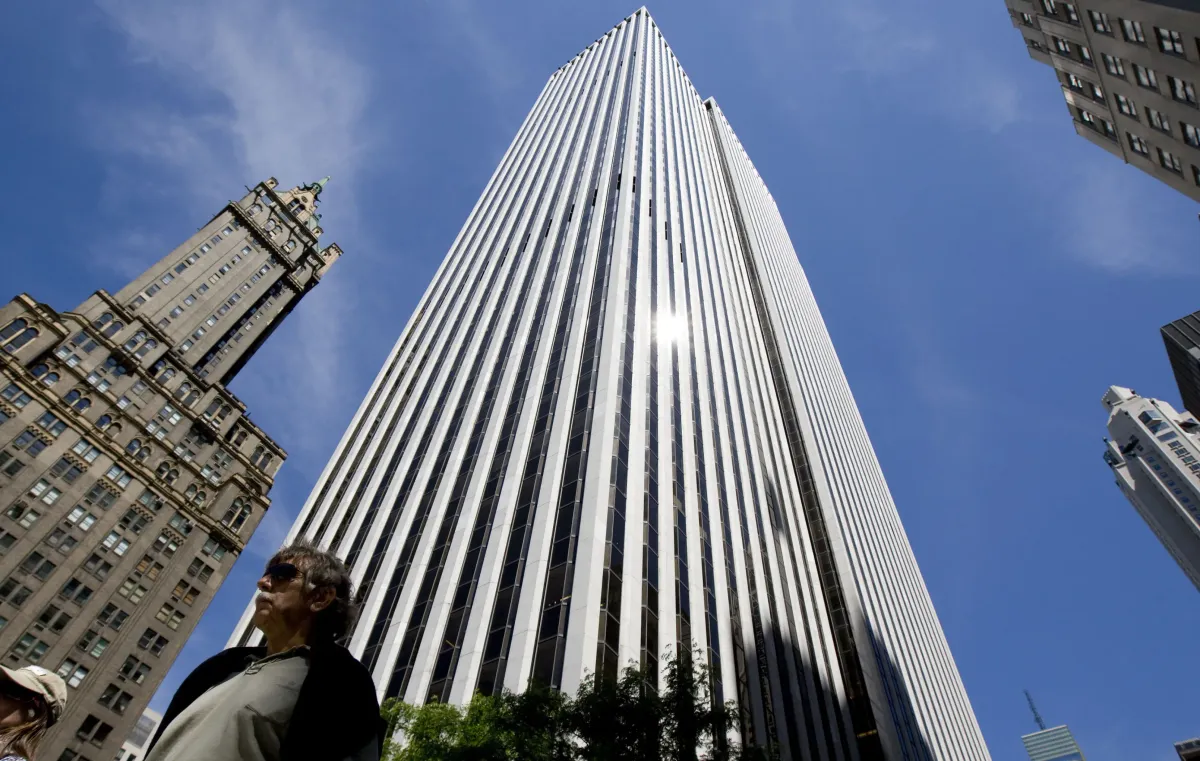
Weil Gotshal & Manges plans to wind down its operations, a staggering collapse for a nearly century-old law firm that was once a New York corporate powerhouse.
The end for the firm whose lawyers advised Microsoft, General Motors and Lehman Brothers follows a raft of prominent partner exits and failed merger talks with New York’s Willkie Farr & Gallagher that triggered a scramble to keep partners on board and find a path forward.
Weil was among the country’s 30 largest firms last year, bringing in nearly $2.1 billion in revenue. The run on the partnership occurred as its longtime leader Barry Wolf was set to relinquish control after a protracted process that raised questions about the firm’s direction. …
It is not yet clear what Weil’s plans will mean for the hundreds of partners, associates or staff at the firm. Law firm failures lead to losses of jobs for staff and associates and often impose a financial hit on partners who invest capital in their firms. Remaining at a law firm through a wind-down is personally challenging and can carry financial liabilities, part of the reason the most in-demand partners often leave struggling firms first.
Outside Weil’s New York offices, near the southeast corner of Central Park, the mood was somber. One first-year associate, who started at the firm last week, said Wolf and the board were together on Zoom, with its longtime leader doing all the talking and offering no opportunity for employees who joined from their desks to ask questions.
블룸버그(Bloomberg)의 로이 스트롬(Roy Strom) 기자는 다음과 같이 보도했습니다.
바일 고샬 앤 멩게스(Weil Gotshal & Manges)가 사업을 청산할 계획을 세우고 있다. 한때 뉴욕 기업 법률 시장의 거인이었던 거의 1세기 역사의 로펌으로서는 엄청난 몰락이 아닐 수 없다.
마이크로소프트, 제너럴 모터스(GM), 리먼 브라더스의 자문을 맡았던 이 로펌의 종말은, 뉴욕의 윌키 파라 앤 갤러거(Willkie Farr & Gallagher)와의 합병 협상 결렬과 함께 저명한 파트너들의 잇따른 이탈이 맞물리면서 파트너들을 붙잡고 앞으로 나아갈 길을 찾기 위한 내부적 혼란이 촉발된 끝에 찾아왔다.
바일은 지난해 미국 내 상위 30대 로펌 중 하나였으며, 약 21억 달러에 달하는 매출을 올렸다. 이 파트너십의 런(run) 현상은 오랜 기간 로펌을 이끌어온 리더 배리 울프(Barry Wolf)가 로펌의 방향성에 의문을 제기하는 오랜 진통 끝에 지휘봉을 내려놓으려던 시점에 발생했다. …
바일의 이번 계획이 로펌에 소속된 수백 명의 파트너, 어소시에이트, 직원들에게 무엇을 의미하는지는 아직 불분명합니다. 로펌의 파산은 직원과 어소시에이트들의 일자리 상실로 이어지며, 로펌에 자본을 투자한 파트너들에게 종종 재정적 타격을 입힙니다. 청산 절차를 밟는 동안 로펌에 잔류하는 것은 개인적으로 매우 힘든 일이며 재정적 채무 책임으로 이어질 수 있기 때문에, 가장 수요가 많은 유능한 파트너들이 경영난을 겪는 로펌을 가장 먼저 떠나는 이유 중 일부가 바로 여기에 있습니다.
센트럴 파크 남동쪽 모퉁이 근처에 있는 바일의 뉴욕 사무실 밖 분위기는 우울했습니다. 지난주 로펌에 입사한 한 1년 차 어소시에이트는 울프와 이사회원들이 줌(Zoom)으로 회의를 열었으며, 오랜 리더가 혼자서 모든 말을 다 하고 자신의 책장에서 접속한 직원들에게 질문할 기회조차 주지 않았다고 말했습니다.
Two points here. First, one reaction that I have seen to Weil’s collapse on social media is that it is “all about AI.” We talked last month about artificial intelligence and the billable-hour model of law-firm revenue. I wrote:
The basic point is that law firms are tied to the billable hour, and the senior partners’ time is underpriced, both in the sense that clients would (and do!) pay more for it than their hourly rates, and in the sense that the senior partners take home a lot more than their hourly rates times the number of hours they work. Whereas the associates’ time is overpriced, both in the sense that the clients wouldn’t pay the associates’ hourly rates just for the associates’ work, and in the sense that the associates take home a lot less than their hourly rates times the number of hours they work. Billing out the associates’ time is a way to capture more value for the partners.
여기서 두 가지 포인트를 짚어보겠습니다. 첫째, 소셜 미디어상에서 바일의 몰락을 접한 반응 중 하나는 이것이 "전적으로 인공지능(AI) 때문"이라는 의견이었습니다. 우리는 지난달 인공지능과 로펌 매출의 근간인 시간당 청구 모델(billable-hour model)에 대해 이야기한 적이 있습니다. 저는 이렇게 썼습니다.
핵심은 로펌들이 시간당 청구 방식에 묶여 있으며, 시니어 파트너들의 시간이 '저평가'되어 있다는 점입니다. 클라이언트들이 시간당 요금보다 더 많은 금액을 지불할 용의가 있고(실제로도 그렇게 지불하며!), 시니어 파트너들이 실제로 일하는 시간에 시간당 요금을 곱한 것보다 훨씬 더 많은 돈을 집으로 가져간다는 의미에서 저평가되어 있습니다. 반면 어소시에이트들의 시간은 '고평가'되어 있습니다. 클라이언트가 단순히 어소시에이트들의 업무만을 위해 그들의 시간당 요금을 지불하지는 않을 것이라는 의미에서 그렇고, 어소시에이트들이 일하는 시간에 시간당 요금을 곱한 것보다 훨씬 적은 돈을 집으로 가져간다는 의미에서도 그렇습니다. 어소시에이트들의 시간을 청구하는 것은 파트너들을 위해 더 많은 가치를 포착하기 위한 수단입니다.
The general model is that clients are paying star rainmaking partners $50 million a year for their stardom, rainmaking, judgment, etc., but for a variety of reasons (tradition, needing someone to do legal work), the partners do not keep all of that money. Some of it goes to associates who do some of the legal work that the rainmaking partners generate.
일반적인 모델은 클라이언트들이 스타급 거물 파트너들의 스타성, 영업력, 판단력 등의 대가로 연간 5000만 달러를 지불하지만, 여러 가지 이유(전통, 법률 업무를 수행할 누군가의 필요성)로 인해 파트너들이 그 돈을 전부 다 가지지는 않는다는 것입니다. 그중 일부는 거물 파트너들이 창출한 법률 업무 중 일부를 수행하는 어소시에이트들에게 돌아갑니다.
AI will, probably, change that calculation, somehow. There are various possibilities, of which one is of course “clients will just ask AI for legal advice and stop using law firms altogether.” But another possibility is that law firms will use AI to increase their operating leverage. Some big law firms will invest a lot of money in AI systems to, like, do all the work of associates; at those law firms, a partner who brings in $50 million of revenue can keep $49 million for herself, because her only costs will be some tokens. Other firms will keep doing things the old-fashioned way and lose their rainmakers to the more AI-forward firms. And other firms will invest a lot of money in AI systems but then lose their rainmaking partners anyway to firms that do it better, leaving them with huge fixed costs and even worse partner runs. I’m not sure that Weil is exactly an example of any of this, but that may be the future.
AI는 아마도 어떤 방식으로든 그러한 계산법을 뒤바꿔 놓을 것입니다. 다양한 가능성이 존재하는데, 그중 하나는 당연히 "클라이언트들이 법률 자문을 위해 AI에게 직접 물어보고 로펌 이용을 완전히 중단할 것"이라는 시나리오입니다. 하지만 또 다른 가능성은 로펌들이 영업 레버리지를 높이기 위해 AI를 활용하게 될 것이라는 점입니다. 일부 대형 로펌들은 어소시에이트들의 모든 업무를 대신 수행할 수 있도록 AI 시스템에 막대한 돈을 투자할 것입니다. 그러한 로펌에서는 5000만 달러의 매출을 올리는 파트너가 비용이라고 해봐야 토큰(AI 연산 비용) 몇 개가 전부이기 때문에 4900만 달러를 온전히 자기 몫으로 챙길 수 있게 됩니다. 또 다른 로펌들은 구식 방식을 고수하다가 더 AI 친화적인 로펌들에게 거물 파트너들을 빼앗기게 될 것입니다. 어떤 로펌들은 AI 시스템에 막대한 돈을 투자해 놓고도 더 뛰어난 방식을 가진 로펌들에게 결국 거물 파트너들을 빼앗겨 엄청난 고정 비용만 떠안은 채 더욱 혹독한 파트너 런을 맞이하게 될 수도 있습니다. 바일이 정확히 이러한 사례 중 하나인지는 확실치 않지만, 미래의 모습이 바로 이럴지도 모릅니다.
Second: Isn’t this all stupid? Lots of businesses are kind of like this; hedge funds and investment banks also have rainmaking senior employees who collect less than 100% of the revenue they bring in and are vulnerable to poaching by other firms. Why doesn’t every business collapse all the time?
둘째: 이 모든 과정이 어딘가 바보 같지 않나요? 수많은 비즈니스들이 이와 비슷한 구조를 가지고 있습니다. 헤지펀드나 투자은행(IB) 역시 자신들이 가져오는 매출의 100% 미만을 수령하고 다른 회사의 스카우트 타겟이 되기 쉬운 유능한 시니어 직원들을 거느리고 있습니다. 그런데 왜 모든 비즈니스가 늘상 무너지지는 않는 걸까요?
I think the basic answer is “lawyers are a guild with a lot of power to make legally binding rules (because they are lawyers), and the guild makes rules in ways that are good for the short-term financial interests of lawyers but also lead to occasional runs on law firms.” Broadly speaking, the way investment banks and hedge funds prevent this sort of run is:
- They have non-competes and gardening leave, so rainmakers can’t instantly leave for a competitor, and a competitor can’t instantly capture 100% of the value of luring them away.
- They have deferred compensation and restricted stock, so rainmakers face a real cost from leaving for a competitor.[2]
그에 대한 기본적인 답은 "변호사들은 법적으로 구속력 있는 규칙을 만들 수 있는 강력한 권한을 가진 길드(guild)이며(변호사들이기 때문에 그렇습니다), 이 길드는 변호사들의 단기적인 재정적 이익에는 도움이 되지만 가끔씩 로펌의 뱅크런을 유발하는 방식으로 규칙을 만들기 때문"이라고 생각합니다. 대략적으로 말해, 투자은행과 헤지펀드들이 이러한 유형의 런을 방지하는 방법은 다음과 같습니다.
- 이들은 겸업 금지 조항(non-competes)과 유급 휴가 대기 기간(gardening leave)을 두고 있어서, 거물들이 경쟁사로 곧바로 이탈할 수 없고 경쟁사도 그들을 빼내오는 데서 오는 가치를 100% 즉각적으로 가로챌 수 없습니다.
- 이들은 이연 보상(deferred compensation)과 제한조건부 주식(restricted stock) 제도를 두고 있어서, 거물들이 경쟁사로 이탈할 때 실질적인 비용(손해)을 치르도록 만듭니다.[2]
But law firms can’t do that! “Under the Model Rules of Professional Conduct,” notes Morley, “law firms are generally forbidden from using covenants not to compete and other restrictions to keep their partners from leaving. ... The rule prohibits, among other things, covenants not to compete and the excessively long retention of a partner’s capital contribution after she leaves.” It is unethical for a lawyer to prevent another lawyer from practicing law elsewhere, whereas it’s totally normal for an investment banker or a hedge fund manager.
하지만 로펌들은 그렇게 할 수 없습니다! 몰리 교수는 "전문직 윤리 모델 규칙(Model Rules of Professional Conduct)에 따라 로펌들은 일반적으로 파트너들의 이탈을 막기 위해 겸업 금지 약정이나 기타 제한 조치를 사용하는 것이 금지되어 있다"고 지적합니다. "...이 규칙은 무엇보다도 겸업 금지 약정과, 파트너가 퇴사한 후 그가 기여한 자본을 지나치게 오랜 기간 보유하는 것을 금지하고 있습니다." 투자은행가나 헤지펀드 매니저에게는 지극히 당연한 일이지만, 변호사가 다른 변호사의 다른 곳에서의 법률 업무 수행을 막는 것은 비윤리적인 일로 여겨집니다.
You can see why the lawyers who write these rules would write them that way: They want to be able to quit in a huff, or for a better offer, and take their business elsewhere.[3] It is good for each individual lawyer to be able to maximize her personal profitability. I’m not sure that it’s good for lawyers collectively. It’s certainly bad for Weil.
이러한 규칙을 작성한 변호사들이 왜 그런 식으로 규칙을 만들었는지 그 이유는 쉽게 짐작할 수 있습니다. 그들은 뿔이 나면 언제든 회사를 박차고 나가거나 더 나은 제안을 찾아 자신의 비즈니스를 들고 떠날 수 있기를 원하기 때문입니다.[3] 개별 변호사 입장에서는 자신의 개인적 수익성을 극대화할 수 있는 이러한 구조가 유리합니다. 하지만 이것이 변호사 집단 전체에 이로운지는 잘 모르겠습니다. 적어도 바일에게는 확실히 최악의 결과가 되었습니다.
Elsewhere in law firm economics
At the Financial Times, Sujeet Indap reports:
Sidley Austin has hired an investment banker to lead its practice handling out-of-court corporate restructurings, an unusual move by a major law firm to tap a non-lawyer which highlights the escalating war for talent in hot areas of dealmaking.
William Evarts, partner at New York-based financial advisory firm PJT Partners, will join Sidley Austin and is expected to lead its “liability management” group, a team of lawyers who help design refinancing transactions for companies seeking to avoid formal US Chapter 11 bankruptcy reorganisations. …
Evarts, who has a law degree and an MBA from the University of Pennsylvania, has been with PJT since 2015. ...
Some lawyers have left legal practice to become financial advisers, only to return to law later in their careers. Industry participants told the FT that a banker who has never practised law becoming a top law partner is almost unprecedented.
But in recent years the most in-demand lawyers have seen their annual pay soar above $20mn, and financing and restructuring lawyers have become critical to law firms’ pitch to large private equity groups that need legal guidance on multiple issues.
파이낸셜 타임스(FT)의 수지트 인다브(Sujeet Indap) 보도에 따르면:
시들리 오스틴(Sidley Austin)이 법정 외 기업 구조조정 업무를 총괄할 투자은행가를 영입했습니다. 주요 로펌이 비(非)변호사를 영입한 것은 이례적인 일로, 최근 계약 체결이 활발한 분야에서 인재 확보 경쟁이 얼마나 치열해지고 있는지 잘 보여줍니다.
뉴욕 기반의 금융 자문사인 PJT 파트너스의 파트너 윌리엄 에바츠(William Evarts)가 시들리 오스틴에 합류하여, 공식적인 미국 파산법 11조(Chapter 11) 구조조정을 피하려는 기업들을 위해 리파이낸싱 거래를 설계하는 '부채 관리(liability management)' 그룹을 이끌 것으로 예상됩니다. …
펜실베이니아 대학교에서 법학 학위(JD)와 경영학 석사(MBA)를 모두 취득한 에바츠는 2015년부터 PJT에서 근무해 왔습니다. …
일부 변호사는 법률 실무를 떠나 금융 자문가로 전직했다가 경력 중 나중에 다시 변호사로 복귀하기도 했습니다. 업계 관계자들에 따르면, 변호사 실무를 한 번도 해본 적 없는 투자은행가가 대형 로펌의 최고 파트너가 되는 것은 전례가 거의 없다고 합니다.
하지만 최근 들어 가장 수요가 많은 최고의 변호사들은 연봉이 2,000만 달러를 훌쩍 넘어섰으며, 금융 및 구조조정 전문 변호사들은 다양한 이슈에 대해 법률 자문이 필요한 대형 사모펀드(PE)를 대상으로 로펌이 영업을 할 때 핵심적인 존재가 되었습니다.
The key points here are:
- Law firms are not hiring senior partners to do legal work, per se; the job is to (1) bring in business and (2) be a trusted adviser to companies. Investment banking — particularly in restructuring — prepares you for both of those jobs, probably at least as well as being an associate at a law firm, so actual experience in legal practice is kind of optional.[4]
- That said, those pesky legal ethics rules require law firms to be owned and run by lawyers, so having a law degree is actually mandatory.
- Traditionally lawyers went to investment banks because the pay was better,[5] but now investment bankers are going to law firms because the pay is better.
여기서 핵심 포인트는 다음과 같습니다.
- 로펌들이 시니어 파트너를 영입하는 이유는 순수하게 '법률 업무'를 시키기 위해서가 아닙니다. 그들의 역할은 (1) 영업을 해오고(비즈니스를 유치하고) (2) 기업들의 신뢰할 수 있는 조언자가 되는 것입니다. 투자은행 업무—특히 구조조정 분야—는 그 두 가지 역할 모두를 훌륭하게 준비시켜 주며, 아마도 로펌에서 어소시에이트로 일하는 것 못지않게 잘 준비시켜 주기 때문에 실제 법률 실무 경험은 일종의 선택사항일 뿐입니다.[4]
- 그렇다 하더라도, 그 성가신 법률 윤리 규정상 로펌은 변호사들이 소유하고 운영해야 하므로 법학 학위를 가지고 있는 것은 실제로 필수적입니다.
- 전통적으로는 변호사들이 급여가 더 높기 때문에 투자은행으로 갔지만,[5] 이제는 투자은행가들이 급여가 더 높기 때문에 로펌으로 향하고 있습니다.
Back in my day, lawyers wanted to be investment bankers and investment bankers wanted to be in private equity. But these things are cyclical. We talked last month about how private equity is stagnating, carry is down and “banking has become an increasingly attractive alternative.” And law is even better, at least at the top.
필자가 젊었을 때만 해도 변호사들은 투자은행가가 되고 싶어 했고, 투자은행가들은 사모펀드(PE)로 가고 싶어 했습니다. 하지만 이 모든 것은 순환합니다. 우리는 지난달 사모펀드가 정체되고 성과보수(carry)가 줄어들면서 "은행업이 점점 더 매력적인 대안이 되고 있다"고 이야기한 적이 있습니다. 그리고 적어도 최고 수준의 영역에서는 로펌이 훨씬 더 매력적입니다.
The onion guys
I mean, if I were a University of Chicago student doing a performance-art bit in which I pretended to care so much about libertarian free-market economics that I was marching to protest the US ban on trading onion futures, and a reporter came up to me and asked “so are you doing a bit or what,” of course I would say “no, not a bit, I just really care about the freedom to trade onions.” Like that is an important part of the bit? It’s only funny if you’re completely deadpan about it? Anyway I can’t peer into the soul of this guy, but Bloomberg’s Erin Ailworth reports:
Outside the Chicago Mercantile Exchange last week, a small group of university students staged an irreverent rally that sparked a serious debate among some of America’s financial elite about what can and can’t be traded.
At first glance, the target of the protest group, called For Our Futures, appeared to be obscure: a 68-year-old ban on trading onion futures, a prohibition the students want to overturn. ...
While some passersby questioned whether the effort was a PR stunt or an elaborate joke referencing the satirical news publication The Onion, organizers insisted their mission is genuine. They think the prohibition is antiquated given the stronger market manipulation regulations the US has in place today.
“This is not the most important law in America, but this is precisely why it matters to us,” said For Our Futures founder Adam Ash, an economics major at the University of Chicago, as peers chanted and handed out onions. “We want to bring attention to the fact that there are many outdated laws on the books.”
Ash said the idea came from talking with fellow students disenchanted with the political discourse, and who wanted to show they could successfully campaign to change a specific law.
만약 제가 시카고 대학교 학생이고, 자유시장 자본주의 경제학을 너무나 아낀 나머지 미국 정부의 양파 선물(onion futures) 거래 금지에 항의하는 시위를 벌이는 퍼포먼스 아트를 하고 있다고 가정해 봅시다. 그때 기자가 다가와서 "이거 장난하시는 건가요, 아니면 진심인가요?"라고 묻는다면, 저는 당연히 "장난이 아니라, 저는 양파 거래의 자유를 진심으로 아낍니다"라고 대답할 것입니다. 그게 퍼포먼스의 중요한 일부분이니까요? 완전히 진지한 표정(deadpan)으로 임해야만 웃긴 것 아닐까요? 아무튼 이 청년의 속마음까지 들여다볼 수는 없겠지만, 블룸버그의 에린 에일워스(Erin Ailworth)는 이렇게 보도합니다.
지난주 시카고 상업거래소(CME) 밖에서 소수의 대학생들이 발칙한 시위를 벌였고, 이는 무엇을 거래할 수 있고 무엇을 거래할 수 없는가에 대해 미국의 금융 엘리트들 사이에서 진지한 논쟁을 불러일으켰습니다.
얼핏 보기에 '우리의 미래를 위해(For Our Futures)'라는 이름의 이 시위대가 겨냥한 타겟은 모호해 보였습니다. 바로 학생들이 폐지를 요구하는, 68년이나 된 양파 선물 거래 금지 조치였습니다. …
일부 지나가는 이들은 이 노력이 홍보용 이벤트나 풍자 뉴스 매체인 '디 어니언(The Onion)'을 패러디한 정교한 장난이 아닌지 의문을 제기했지만, 주최측은 자신들의 임무가 진심이라고 주장했습니다. 이들은 오늘날 미국이 갖추고 있는 더욱 강력한 시장 조작 규제들을 감안할 때 이 금지 조치가 시대에 뒤떨어졌다고 생각합니다.
시위대 동료들이 구호를 외치고 양파를 나누어주는 가운데, '우리의 미래를 위해'의 설립자이자 시카고 대학교 경제학과 학생인 애덤 애시(Adam Ash)는 "이것이 미국에서 가장 중요한 법은 아니지만, 바로 그렇기 때문에 우리에게 더 중요합니다"라고 말했습니다. "우리는 법전에 여전히 구시대적인 법들이 많이 남아 있다는 사실에 주목하고 싶습니다."
애시는 정치적 담론에 환멸을 느끼고 특정한 법을 바꾸기 위해 성공적인 캠페인을 벌일 수 있음을 보여주고 싶어 하는 동료 학생들과의 대화에서 아이디어가 나왔다고 밝혔습니다.
You know who else wants to get rid of outdated laws limiting gambling? Obviously Kalshi is in on this:
Kalshi Chief Executive Officer Tarek Mansour had already commented on For Our Futures earlier in the year, sharing a post in May that highlighted the group’s campaign. Last week, he lauded the students as “patriots” when reposting a video of their rally outside the CME.
시대에 뒤떨어진 도박 규제를 없애고 싶어 하는 또 다른 곳이 누군지 아시나요? 당연히 칼시(Kalshi)도 여기에 동참하고 있습니다.
칼시의 최고경영자(CEO) 타레크 만수르(Tarek Mansour)는 이미 올해 초에 '우리의 미래를 위해' 그룹의 캠페인을 조명하는 게시물을 공유하며 이에 대해 언급한 바 있습니다. 지난주 그는 CME 밖에서 벌어진 시위 영상을 리포스트하며 학생들을 '애국자'라고 치켜세웠습니다.
I mentioned last week that the protest was sponsored by Kalshi, but Ailworth notes that “For Our Futures organizers said they first thought of holding a rally outside the CME over the summer, following other protests elsewhere earlier this year, and Kalshi only got involved after the group had already planned and announced the event.” It’s not strictly Kalshi sponcon. Just kind of.
필자는 지난주 이 시위가 칼시의 후원을 받았다고 언급했지만, 에일워스는 "'우리의 미래를 위해' 주최측은 올해 초 다른 지역에서 벌어진 시위들에 이어 여름 무렵 CME 밖에서 시위를 열 계획을 처음 세웠으며, 칼시는 이들이 이미 행사를 계획하고 발표한 이후에야 관여하게 되었다고 밝혔다"고 전했습니다. 엄격한 의미의 칼시 스폰서 콘텐츠(sponcon)는 아닙니다. 그냥 그런 셈이지요.
Elsewhere in outdated laws
I mentioned yesterday that the state of Utah has banned sports gambling for 130 years, and Kalshi thinks it’s high time that Utah got with the times and started allowing sports gambling. Utah still disagrees:
Utah filed criminal charges against Kalshi Inc. on Wednesday, alleging the company illegally promoted online gambling in the state amid an escalating fight over prediction markets.
In the complaint, officials said Kalshi continued to offer online gambling to individuals in Utah after a federal judge ruled the state can apply its anti-gambling laws to trades on the platform. The complaint named Kalshi co-founders Tarek Mansour and Luana Lopes Lara as defendants, in what appears to be the first time during a nationwide fight that the company’s top executives have been targeted with criminal prosecution.
“This is a crazy overreach; Utah is clearly playing politics,” Kalshi said in a statement. “We look forward to putting a stop to this in court, just like we did in Arizona.”
“A federal court has already ruled that Utah’s gambling laws apply to Kalshi. Kalshi kept taking bets from Utahns anyway,” Utah Attorney General Derek Brown said in a statement. “That is illegal, and we’re putting a stop to it.”
필자는 어제 유타주가 130년 동안 스포츠 도박을 금지해 왔으며, 칼시는 이제 유타주가 시대에 발맞추어 스포츠 도박을 허용할 때가 되었다고 생각한다고 언급했습니다. 하지만 유타주는 여전히 동의하지 않고 있습니다.
유타주는 수요일 칼시(Kalshi Inc.)를 상대로 형사 고발을 제기하며, 예측 시장을 둘러싼 격화되는 공방 속에서 이 회사가 주(州) 내에서 온라인 도박을 불법적으로 홍보했다고 주장했습니다.
관계자들은 고소장에서 연방 판사가 유타주가 플랫폼 상의 거래에 반도박법을 적용할 수 있다고 판결한 이후에도 칼시가 유타주 주민들에게 온라인 도박을 계속 제공했다고 밝혔습니다. 이번 고소장은 칼시의 공동 창업자인 타레크 만수르와 루아나 로페스 라라(Luana Lopes Lara)를 피고로 지목했는데, 이는 전국적인 공방 과정에서 회사의 최고 경영진이 형사 기소의 표적이 된 첫 사례로 보입니다.
칼시는 성명을 통해 "이는 터무니없는 월권이며, 유타주는 명백히 정치적 놀음을 하고 있습니다"라고 밝혔습니다. "우리는 아리조나주에서 그랬던 것처럼 법원에서 이를 바로잡기를 기대합니다."
유타주 법무장관 데릭 브라운(Derek Brown)은 성명에서 "연방 법원은 이미 유타주의 도박법이 칼시에 적용된다고 판결했습니다. 그럼에도 칼시는 유타주 주민들의 베팅을 계속 받아왔습니다"라며, "이는 불법이며, 우리는 이를 저지할 것입니다"라고 말했습니다.
I will say that it’s an absolute legal mess. On the one hand, Kalshi (1) is clearly violating Utah law, (2) went to court to get a ruling that Utah law doesn’t apply, (3) lost and (4) is still offering bets in Utah. On the other hand, Kalshi really is regulated by the US Commodity Futures Trading Commission, which has not only brought its own lawsuit trying to overturn Utah law, but has also repeatedly used its “statutory emergency powers” to order Kalshi to ignore state law and court orders and keep offering gambling nationwide. It really is kind of true that:
- It’s illegal, based on Utah law and court orders, for Kalshi to offer sports bets in Utah, and
- It’s illegal, based on the orders of its federal regulator, for Kalshi not to offer sports bets in Utah.
객관적으로 볼 때 이는 절대적인 법적 혼란 상태라고 할 수 있습니다. 한편으로는 (1) 유타주 법과 법원 명령에 따라 칼시가 유타주에서 스포츠 베팅을 제공하는 것은 명백히 불법이고, (2) 유타주 법이 적용되지 않는다는 판결을 받기 위해 법원에 갔으나 (3) 패소했음에도 (4) 여전히 유타주에서 베팅을 제공하고 있기 때문입니다. 다른 한편으로는, 칼시가 미국 상품선물거래위원회(CFTC)의 규제를 받고 있으며, CFTC는 유타주 법을 무력화하기 위한 자체 소송을 제기했을 뿐만 아니라 칼시가 주 법과 법원 명령을 무시하고 전국적으로 베팅 서비스를 계속 제공하라고 '법적 비상 권한'을 반복해서 동원해 명령했기 때문입니다. 정말로 다음 두 가지 모두가 어느 정도 사실입니다.
- 유타주 법과 법원 명령에 근거할 때, 칼시가 유타주에서 스포츠 베팅을 제공하는 것은 불법이며,
- 연방 규제 기관의 명령에 근거할 때, 칼시가 유타주에서 스포츠 베팅을 제공하지 않는 것은 불법입니다.
I don’t want to be too sympathetic — this is definitely a problem Kalshi created for itself — but it is a problem. Presumably the Supreme Court will sort it out eventually one way or the other.
지나치게 동정하고 싶지는 않습니다—이것은 확실히 칼시 스스로 자초한 문제이니까요—하지만 문제인 것은 맞습니다. 아마도 연방 대법원이 조만간 이 문제를 어떻게든 정리해 줄 것입니다.
Things happen
Nvidia Chief Seen as Target of Chinese Spy Plot. Lagarde to Leave ECB Early, Igniting Race to Replace Her. UBS CEO Signals Possible Switzerland Exit Over Capital Demands. Unusual Oil Trades Detected on Buzzy Offshore Crypto Exchange. NYSE Owner Plans Market for Hyperliquid Perpetuals in US. Texas Data Center Boom Collides With Backlash Ahead of Midterms. Google Shares Drop After Sales Miss Reignites Fears Over AI. Microsoft blames data centre delays for lower capital expenditure. HSBC Seeks to Hedge Data Center Debt With Credit Risk Insurance. Marvell Is Close to Megadeal for Laser Maker Lumentum in AI Push. MGM Says Deal Talks With Barry Diller’s People Incorporated Are Over. How Can Sports Teams Possibly Be Worth This Much?
엔비디아 최고경영자, 중국의 스파이 공작 표적으로 거론. 라가르드 유럽중앙은행(ECB) 총재 조기 사임 시사, 후임 경쟁 점화. UBS 최고경영자, 자본 규제 요구로 인해 스위스 본사 이전 가능성 시사. 핫한 역외 암호화폐 거래소에서 이상 석유 거래 감지. 뉴욕증권거래소(NYSE) 소유주, 미국 내 하이퍼리퀴드(Hyperliquid) 무기 계약(perpetuals) 시장 계획. 중간선거를 앞두고 텍사스 데이터센터 붐과 반발의 충돌. 매출 부진으로 AI에 대한 우려가 재점화되면서 구글 주가 하락. 마이크로소프트, 자본 지출 감소의 원인으로 데이터센터 지연을 지목. HSBC, 신용 위험 보험으로 데이터센터 부채 헤지 추진. 마블(Marvell), AI 추진을 위해 레이저 제조업체 루멘텀(Lumentum) 인수를 위한 메가딜 임박. MGM, 배리 딜러의 피플 인코퍼레이티드와의 인수 협상 결렬. 스포츠 팀들의 가치가 어떻게 이렇게까지 높을 수 있을까?
[1] Those are stylized numbers but in the right ballpark for Weil Gotshal, which last year had $2.02 billion of revenue and $5,371,000 of profits per partner.
[1] 위 수치들은 전형적인 예시이지만, 지난해 20억 2,000만 달러의 매출과 파트너당 537만 1,000달러의 이익을 기록한 바일 고샬(Weil Gotshal)의 대략적인 수준에 부합합니다.
[2] A reader named Nick emailed me this morning suggesting “swing pricing” for law firms, analogous to how mutual funds sometimes deter runs: “One could imagine adjusting departing partners’ capital distributions to reflect the costs they impose on the partnership, or deferring withdrawals so that early leavers retain some exposure to subsequent losses.”
[2] 닉(Nick)이라는 독자가 오늘 아침 필자에게 이메일을 보내 뮤츄어펀드가 런(run)을 막기 위해 사용하는 방식과 유사하게 로펌을 위한 '스윙 프라이싱(swing pricing)'을 제안했습니다. "퇴사하는 파트너들의 자본 배분을 조정하여 그들이 파트너십에 부과하는 비용을 반영하거나, 자금 회수를 이연시켜 초기 퇴사자들이 이후의 손실에 대해 일부 노출을 유지하도록 하는 방안을 상상해 볼 수 있습니다."
[3] Oh, no, fine, as a matter of disinterested objective ethical analysis, they think it would be unethical to deprive the world of legal services. Whereas depriving the world of hedge fund services is fine.
[3] 아, 물론 법률 서비스라는 세상을 박탈하는 것은 비윤리적이라고 생각하는, 사심 없는 객관적 윤리적 분석의 차원입니다. 반면 헤지펀드 서비스를 박탈하는 것은 괜찮고요.
[4] From his LinkedIn, it appears that Evarts has never practiced law before, going straight from a JD/MBA to banking.
[4] 링크드인에 따르면 에바츠는 변호사 실무를 한 적이 없고, 법학석사/경영학석사(JD/MBA) 과정을 마치 곧바로 투자은행업으로 직행한 것으로 보입니다.
[5] Disclosure, I did this.
[5] 정보 공개하자면, 필자가 바로 이렇게 했습니다.



