TSMC’s AI Expansion Signals a Broader Shift in Computing
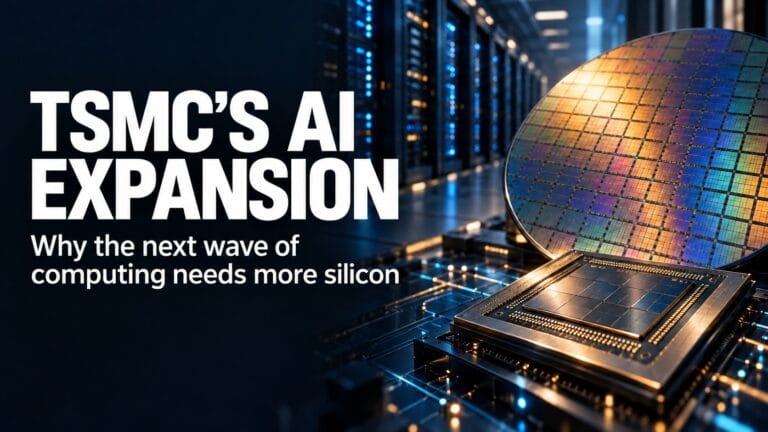
TSMC is describing an artificial intelligence boom that reaches beyond accelerator chips into the wider computing infrastructure needed to support increasingly capable AI systems. On the recent investor call, Chairman and CEO Dr. C.C. Wei presents strong demand, persistent supply constraints and an ambitious expansion program. His central message is that the company expects AI to support semiconductor growth for years, even as consumer markets face pressure.
TSMC는 인공지능(AI) 붐이 가속기 칩을 넘어 점차 고도화되는 AI 시스템을 뒷받침하는 더 넓은 컴퓨팅 인프라로 확산되고 있다고 설명합니다. 최근 투자자 컨퍼런스 콜에서 회장 겸 CEO인 C.C. 웨이(C.C. Wei) 박사는 강력한 수요, 지속되는 공급 제약, 그리고 야심 찬 확장 프로그램을 제시했습니다. 그의 핵심 메시지는 소비재 시장이 압박을 받고 있음에도 불구하고, 회사가 AI가 향후 수년간 반도체 성장을 견인할 것으로 기대한다는 점입니다.
Wei says third-quarter revenue reached $46.7 billion and forecasts approximately 44% revenue growth for 2026 in U.S. dollar terms. Those figures frame the scale of management’s confidence. Yet he also warns that rising component prices and economic uncertainty are challenging consumers and price-sensitive markets. The distinction matters: TSMC’s outlook suggests that powerful demand for advanced computing can coexist with weakness elsewhere in electronics.
웨이는 3분기 매출이 467억 달러에 달했으며, 미국 달러 기준으로 2026년 약 44%의 매출 성장을 전망한다고 밝혔습니다. 이러한 수치들은 경영진의 확신 규모를 잘 보여줍니다. 그러나 그는 동시에 상승하는 부품 가격과 경제적 불확실성이 소비자와 가격 민감형 시장에 부담을 주고 있다고 경고했습니다. 이 구분이 중요한 이유는 TSMC의 전망이 첨단 컴퓨팅에 대한 강력한 수요가 전자제품의 다른 부문에서의 약세와 공존할 수 있음을 시사하기 때문입니다.
The most consequential development is the broadening of AI demand. Wei points to agentic AI, growing adoption of open-source models, increasing CPU requirements and continued networking demand. Systems that perform tasks across multiple steps can require more than accelerator capacity alone. They also need processors to coordinate work and networks to move information. This creates potential opportunities across several categories of advanced chips.
가장 중요한 발전은 AI 수요의 저변 확대입니다. 웨이는 에이전틱(agentic) AI, 오픈소스 모델의 채택 증가, CPU 요구 사항 증대, 그리고 지속적인 네트워킹 수요를 지목했습니다. 여러 단계에 걸쳐 작업을 수행하는 시스템은 가속기 용량 그 이상을 필요로 할 수 있습니다. 이 시스템들은 또한 작업을 조율할 프로세서와 정보를 이동시킬 네트워크를 필요로 합니다. 이는 여러 범주의 첨단 칩에 걸쳐 잠재적인 기회를 창출합니다.
Why it matters: improvements in AI efficiency do not automatically translate into lower semiconductor demand. Cheaper, more accessible models can encourage additional usage and new applications. Wei argues that this expansion will increase demand for advanced silicon. That remains a forecast rather than a guaranteed outcome, but it explains why TSMC is planning substantial investments despite uncertainty about individual AI business models.
중요한 이유: AI 효율성의 향상이 곧바로 반도체 수요 감소로 이어지는 것은 아닙니다. 더 저렴하고 접근하기 쉬운 모델은 추가적인 사용과 새로운 응용을 장려할 수 있습니다. 웨이는 이러한 확장이 첨단 실리콘에 대한 수요를 더욱 증가시킬 것이라고 주장합니다. 이는 보장된 결과라기보다는 여전히 전망에 가깝지만, 개별 AI 비즈니스 모델에 대한 불확실성에도 불구하고 TSMC가 대규모 투자를 계획하는 이유를 설명해 줍니다.
Capacity is the immediate constraint. Wei repeatedly says assessed demand exceeds available supply. TSMC is responding through new factories, equipment conversions, productivity improvements and flexible manufacturing across technology generations. He describes nearly 20 fabrication facilities under development worldwide, including leading-edge manufacturing and advanced packaging projects. The company also expects annual capacity for its N2 technology family to more than double in 2027.
생산 능력(Capacity)은 당면한 제약 요인입니다. 웨이는 평가된 수요가 가용한 공급을 초과한다고 거듭 강조하고 있습니다. TSMC는 신규 공장 건설, 장비 전환, 생산성 향상, 그리고 기술 세대 간 유연한 제조를 통해 이에 대응하고 있습니다. 그는 첨단 제조 및 첨단 패키징 프로젝트를 포함하여 전 세계적으로 진행 중인 약 20개의 팹(제조 시설)을 설명했습니다. 회사는 또한 2027년에 N2 기술 패밀리의 연간 생산 능력이 두 배 이상 증가할 것으로 예상하고 있습니다.
The expansion of 3-nanometer production is particularly revealing. Wei says TSMC is adding capacity despite its historical practice of avoiding further expansion once a technology generation reaches its targeted scale. This suggests management sees a durable market for multiple generations of advanced manufacturing. Customers do not all migrate simultaneously, and different products have different performance, cost and production requirements.
3나노미터 생산의 확장은 특히 시사하는 바가 큽니다. 웨이는 기술 세대가 목표로 한 규모에 도달하면 더 이상의 확장을 지양하던 기존의 관행에도 불구하고 TSMC가 생산 능력을 추가하고 있다고 밝혔습니다. 이는 경영진이 여러 세대의 첨단 제조 공정에 걸쳐 지속적인 시장이 존재한다고 보고 있음을 시사합니다. 고객들이 동시에 전환하는 것은 아니며, 제품마다 성능, 비용, 생산 요구 사항이 다르기 때문입니다.
Geography adds another dimension. TSMC outlined manufacturing plans in Taiwan, Arizona and Japan, alongside preliminary evaluations in Texas. Wei links U.S. expansion to customer requests and says manufacturing location can affect pricing. For customers, geographic flexibility can improve supply options. For TSMC, it creates opportunities to capture value while increasing the complexity of investment, operations and coordination.
지리적 요인은 또 다른 차원을 더합니다. TSMC는 텍사스에서의 예비 평가와 함께 대만, 애리조나, 일본에서의 제조 계획을 개략적으로 밝혔습니다. 웨이는 미국의 생산 확장을 고객의 요청과 연계시키며 제조 위치가 가격에 영향을 미칠 수 있다고 말했습니다. 고객의 입장에서 지리적 유연성은 공급 선택지를 넓혀줄 수 있습니다. TSMC에게는 가치를 포착할 기회를 창출하는 동시에 투자, 운영, 그리고 조율의 복잡성을 높이는 요인이 됩니다.
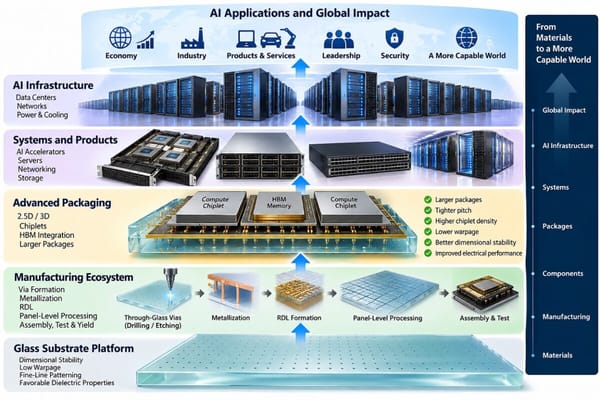
Advanced packaging is equally important. Manufacturing a powerful chip is only part of delivering a usable AI system; connecting components effectively is another critical step. Dr. Wei highlights larger packaging capabilities and acknowledges some shortage in backend capacity. His comments about cooperation with GlobalFoundries indicate that meeting customer demand requires support across the production chain, including activities beyond wafer fabrication.
첨단 패키징 역시 똑같이 중요합니다. 강력한 칩을 제조하는 것은 사용 가능한 AI 시스템을 전달하는 과정의 일부일 뿐이며, 구성 요소를 효과적으로 연결하는 것이 또 다른 핵심 단계입니다. 웨이 박사는 더 큰 패키징 역량을 강조하고 백엔드 용량의 일부 부족 현상을 인정했습니다. 글로벌파운드리(GlobalFoundries)와의 협력에 관한 그의 발언은 고객 수요를 충족하기 위해 웨이퍼 제조를 넘어선 활동을 포함하여 생산 체인 전반의 지원이 필요함을 나타냅니다.
TSMC is also checking whether customers can deploy the chips they order. Wei says company teams are examining U.S. data-center construction and electricity availability. This matters because semiconductor orders ultimately depend on functioning infrastructure. Factories can produce more chips, but deployment still requires buildings, power and other components. Those checks strengthen the planning process without eliminating the possibility of delays or changing demand.
TSMC는 또한 고객들이 주문한 칩을 실제로 배치(deploy)할 수 있는지 점검하고 있습니다. 웨이는 회사의 팀들이 미국의 데이터센터 건설 현황과 전력 가용성을 조사하고 있다고 밝혔습니다. 반도체 주문은 결국 기능하는 인프라에 의존하기 때문에 이는 매우 중요합니다. 공장은 더 많은 칩을 생산할 수 있지만 배치를 위해서는 여전히 건물, 전력 및 기타 부품이 필요합니다. 이러한 점검은 지연이나 수요 변화의 가능성을 완전히 없애지는 못하더라도 계획 프로세스를 더욱 강화해 줍니다.
Bottom line: The broader significance is that AI competition increasingly depends on physical industrial capacity alongside software progress. TSMC’s account places advanced manufacturing, packaging, electricity and construction at the center of that competition. Its investment plans express confidence in sustained growth, while its cautions underline the execution challenge. The key question is whether this expanding supply chain can convert ambitious demand forecasts into deployed computing capacity and commercially useful services, at a pace that supports customers’ spending and justifies the enormous manufacturing commitments now being made around the world.
요약하자면: 더 넓은 맥락에서의 의의는 AI 경쟁이 소프트웨어의 발전뿐만 아니라 물리적 산업 역량에도 점점 더 크게 의존하고 있다는 점입니다. TSMC의 설명은 첨단 제조, 패키징, 전력, 그리고 건설을 그러한 경쟁의 중심에 둡니다. 회사의 투자 계획은 지속적인 성장에 대한 확신을 표현하는 한편, 경고의 메시지는 실행 과정에서의 과제를 강조합니다. 핵심 질문은 이 확장되는 공급망이 야심 찬 수요 전망을 배치된 컴퓨팅 능력과 상업적으로 유용한 서비스로 전환할 수 있는지 여부이며, 이는 고객의 지출을 뒷받침하고 전 세계에서 이루어지는 막대한 제조 약속을 정당화할 수 있는 속도로 이루어져야 합니다.