Why America’s Semiconductor Manufacturing Capacity Matters
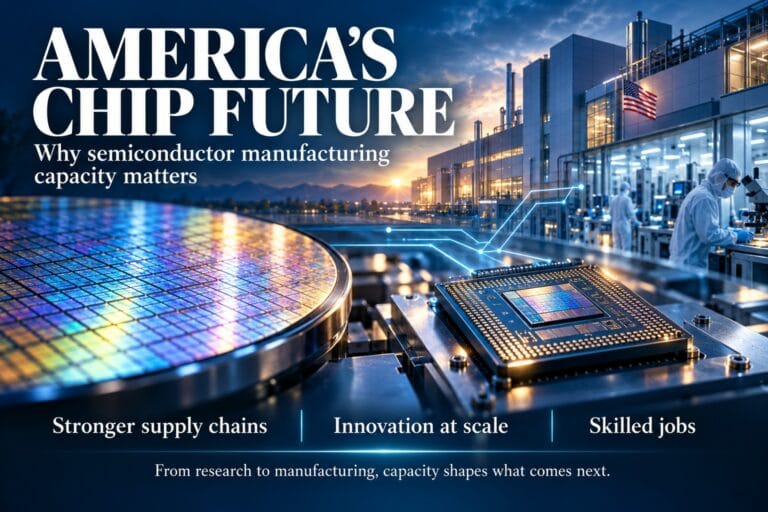
America’s semiconductor future will be shaped by its ability to turn scientific discoveries into chips manufactured at scale. That is why the investments outlined in Intel Foundry’s recent editorial matter beyond the company’s own business. They address a fundamental question: whether the United States can sustain the research, industrial infrastructure and skilled workforce needed to help define the next era of computing. As artificial intelligence and other demanding applications expand, the ability to manufacture advanced semiconductors becomes a foundation for economic opportunity, technological leadership and national resilience.
미국의 반도체 미래는 과학적 발견을 대규모로 양산되는 칩으로 전환하는 능력에 의해 좌우될 것입니다. 이것이 바로 인텔 파운드리(Intel Foundry)의 최근 사설에 요약된 투자가 단순히 기업 자체의 사업을 넘어 중요한 이유입니다. 이 투자는 미국이 차세대 컴퓨팅 시대를 정의하는 데 필요한 연구, 산업 인프라, 숙련된 노동력을 지속할 수 있는지에 대한 근본적인 질문을 다룹니다. 인공지능(AI)과 기타 고성능 요구 응용 프로그램들이 확장됨에 따라, 첨단 반도체를 제조하는 능력은 경제적 기회, 기술적 리더십, 그리고 국가적 회복력의 기반이 됩니다.
The editorial highlights the scale of the challenge. Citing the Semiconductor Industry Association, it notes that America’s share of global semiconductor manufacturing fell from 37% in 1990 to 10% in 2022. That decline matters because chips support essential systems, from communications and transportation to health care and industrial equipment. Concentrating manufacturing capacity in fewer locations creates exposure to disruptions. Expanding domestic production can give businesses more sourcing options and help strengthen continuity for industries that depend on reliable access to computing technology.
이 사설은 과제의 규모가 얼마나 큰지 잘 보여줍니다. 반도체산업협회(Semiconductor Industry Association)를 인용하며, 글로벌 반도체 제조에서 미국의 점유율이 1990년 37%에서 2022년 10%로 하락했다고 지적합니다. 이러한 하락이 중요한 이유는 칩이 통신, 운송부터 의료 및 산업 장비에 이르기까지 필수적인 시스템들을 뒷받침하기 때문입니다. 제조 역량이 소수의 지역에 집중되면 공급망 중단 위험에 노출되게 됩니다. 국내 생산을 확대하면 기업에 더 많은 조달 옵션을 제공하고, 안정적인 컴퓨팅 기술 접근에 의존하는 산업들의 연속성을 강화하는 데 도움이 될 수 있습니다.
Perhaps the editorial’s most consequential argument is that manufacturing and innovation reinforce each other. Developing a breakthrough transistor or packaging technology is only part of the work. Engineers must also learn how to produce it consistently, economically and in enormous volumes. Keeping research, development and manufacturing closely connected allows lessons from the factory to inform the next design. Over time, that exchange builds expertise that is difficult to replicate. When production moves away, a country risks losing some of the practical knowledge that helps generate its next breakthrough.
어쩌면 이 사설의 가장 중요한 주장은 제조와 혁신이 상호 강화 작용을 한다는 점일 것입니다. 획기적인 트랜지스터나 패키징 기술을 개발하는 것은 일부분에 불과합니다. 엔지니어들은 또한 그것을 일관성 있고 경제적으로, 그리고 엄청난 물량으로 생산하는 방법을 배워야 합니다. 연구, 개발, 제조를 긴밀하게 연결해 두면 공장에서 얻은 교훈이 다음 설계에 반영될 수 있습니다. 시간이 흐르면서 이러한 교류는 모방하기 어려운 전문성을 구축하게 됩니다. 생산이 다른 곳으로 이전되면, 국가는 다음 혁신을 창출하는 데 도움이 되는 실무적 지식의 일부를 잃을 위험에 처하게 됩니다.
Intel presents its advanced process and packaging technologies as examples of this connection. Their broader significance lies in the capabilities they represent: finding new ways to improve performance, manage power and connect increasingly complex systems. Progress in computing depends on advances across these areas. A domestic ecosystem that can develop and manufacture them gives American researchers and businesses a stronger platform for pursuing future applications. It also creates more opportunities for collaboration among chip designers, equipment providers, materials specialists and manufacturers.
인텔은 자사의 첨단 공정 및 패키징 기술을 이러한 연결의 사례로 제시합니다. 이들이 지닌 광범위한 의의는 성능 향상, 전력 관리, 그리고 갈수록 복잡해지는 시스템 연결을 위한 새로운 방법을 찾는 역량에 있습니다. 컴퓨팅의 진보는 이러한 전 영역에 걸친 발전 여하에 달려 있습니다. 이를 개발하고 제조할 수 있는 국내 생태계는 미국의 연구원과 기업들에게 미래 응용 프로그램을 추구할 수 있는 더 강력한 플랫폼을 제공합니다. 또한 칩 설계자, 장비 공급업체, 소재 전문가, 제조업체 간의 협력 기회도 더 많이 창출합니다.
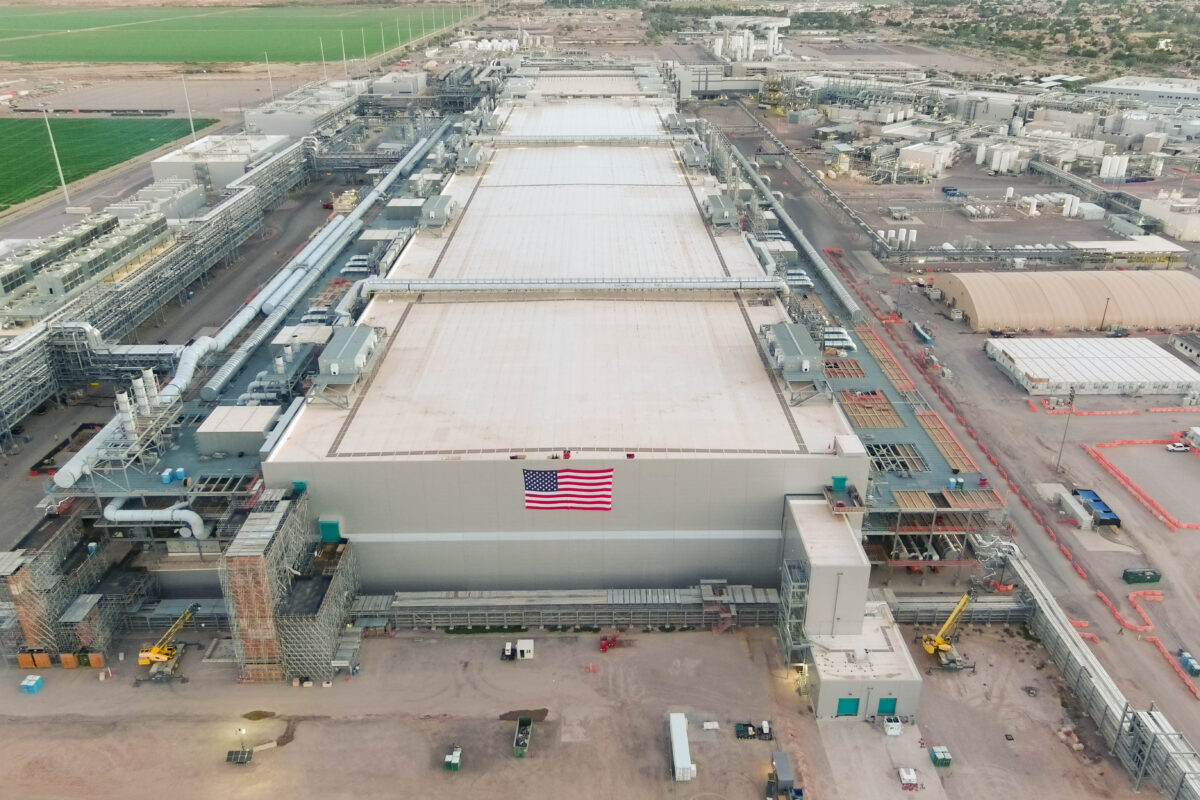
The construction updates make that ambition tangible. Intel says construction and tool installation are underway at Arizona’s Fab 62, with operations expected by the end of 2028, while its Ohio project has reached another structural milestone. These developments matter because semiconductor capacity takes years to establish. Buildings, specialized equipment, utilities and trained teams must come together before a facility can deliver useful output. Construction progress therefore signals preparation for future demand, although the eventual impact will depend on execution, customer adoption and competitive manufacturing performance.
건설 소식은 이러한 야망을 가시적으로 보여줍니다. 인텔은 애리조나의 팹 62에서 건설과 장비 설치가 진행 중이며 2028년 말에는 가동될 것으로 예상되는 한편, 오하이오 프로젝트는 또 하나의 구조적 이정표에 도달했다고 밝혔습니다. 반도체 생산 능력을 갖추는 데는 수년이 걸리기 때문에 이러한 진척 상황은 매우 중요합니다. 시설이 유용한 결과물을 내놓기 위해서는 건물, 특수 장비, 유틸리티, 훈련된 팀들이 모두 조화를 이루어야 합니다. 따라서 건설의 진척은 미래 수요에 대한 대비를 의미하지만, 궁극적인 영향력은 실행력, 고객 채택 여부, 그리고 경쟁력 있는 제조 성능에 따라 좌우될 것입니다.
The economic reach also extends well beyond the factory gate. According to the editorial, Intel works with more than 4,500 suppliers across 49 states and generates more than $29 billion in annual domestic spending. Those relationships show how semiconductor investment can support businesses providing equipment, materials, construction and specialized services. For communities, the opportunity includes technical careers and stronger connections between employers and educational institutions. Realizing those benefits requires sustained workforce development, along with the housing, transportation, energy and water infrastructure needed to support industrial growth.
경제적 파급 효과는 공장 울타리를 훨씬 넘어 확장됩니다. 사설에 따르면 인텔은 49개 주의 4,500개 이상의 공급업체와 협력하고 있으며 연간 290억 달러 이상의 국내 지출을 창출하고 있습니다. 이러한 관계는 반도체 투자가 장비, 소재, 건설, 특수 서비스를 제공하는 기업들을 어떻게 뒷받침할 수 있는지 보여줍니다. 지역 사회 입장에서는 기술 분야의 일자리와 고용주-교육 기관 간의 더 강력한 연계가 기회로 다가옵니다. 이러한 혜택을 실현하려면 산업 성장을 뒷받침하는 주거, 교통, 에너지, 수자원 인프라와 함께 지속적인 인력 개발이 뒷받침되어야 합니다.
This matters because technological leadership requires the capacity to deliver. Announcing discoveries and building facilities are important steps, but success means translating them into reliable products that customers choose. Intel’s editorial describes an effort to strengthen the entire chain, from research through advanced packaging and high volume production. If that effort succeeds, its value will extend beyond one company’s balance sheet. It could deepen America’s industrial knowledge, expand skilled employment and give the country greater capacity to respond to technological change.
기술적 리더십에는 결과물을 만들어낼 역량이 필요하기 때문에 이 점은 매우 중요합니다. 발견을 발표하고 시설을 구축하는 것은 중요한 단계이지만, 성공이란 그것을 고객들이 선택하는 신뢰할 수 있는 제품으로 구현해 내는 것을 의미합니다. 인텔의 사설은 연구부터 첨단 패키징, 대량 생산에 이르는 전체 체인을 강화하기 위한 노력을 설명하고 있습니다. 그 노력이 성공한다면 그 가치는 어느 한 기업의 재무제표를 넘어설 것입니다. 미국의 산업 지식을 심화하고, 숙련된 고용을 확대하며, 기술 변화에 대응할 수 있는 국가적 역량을 더욱 강화할 수 있습니다.
Bottom line: The central issue is whether America can keep creating the conditions that allow innovation to become something the world can use. That makes manufacturing capacity a measure of future possibility: the tools, talent and infrastructure available when the next major computing challenge arrives, and the ability to meet it with technologies developed and produced at meaningful scale.
요약하자면: 핵심 쟁점은 미국이 혁신을 전 세계가 활용할 수 있는 결과물로 탈바꿈시키는 여건을 계속 유지할 수 있는가 하는 점입니다. 이는 제조 역량을 미래 가능성의 척도로 만듭니다. 즉, 다음 주요 컴퓨팅 과제가 닥쳐왔을 때 활용할 수 있는 도구, 인재, 인프라를 의미하며, 이를 유의미한 규모로 개발 및 생산된 기술로 충족할 수 있는 능력을 뜻합니다.